






Songs at Twilight
The most beautiful sound I have ever heard was created by about a dozen old men in a little church on the island of Lewis and Harris.
You will probably never hear it. It is part of a culture that is fading away.
Lewis and Harris is the northernmost island of the Outer Hebrides, and it feels like a different world from most of Scotland. Stacks of black peat sit in front of the homes, to burn for fuel, and the smell of it is always on the air. A sign at the start of a path, reading “Please Respect the Sabbath,” does not seem out of place. The sun in the winter rises at 9:00 in the morning and sets at 3:00 in the afternoon. It is a place of desolate beauty and old-fashioned faith.
THIS ARTICLE ONLY AVAILABLE TO SUBSCRIBERS.
FOR QUICK ACCESS:
Daniel Witt is a writer and English teacher living in Amman, Jordan.
A Journal of Mere Christianity—Delivered to Your Door
- Essays on theology, culture, and the Church
- Contributors from across the Christian traditions

Six print issues (one year) of Touchstone, plus full online access and PDF downloads for only $39.95.

Get a one-year full-access subscription to the Touchstone online archives for only $19.95.
bulk subscriptions
Order Touchstone subscriptions in bulk and save $10 per sub! Each subscription includes 6 issues of Touchstone plus full online access to touchstonemag.com—including archives, videos, and pdf downloads of recent issues for only $29.95 each! Great for churches or study groups.
Transactions will be processed on a secure server.
more on Culture from the online archives

18.2—March 2005
On Conservatism as Vexation, Vanity & Near Impossibility by Graeme Hunter
19.4—May 2006
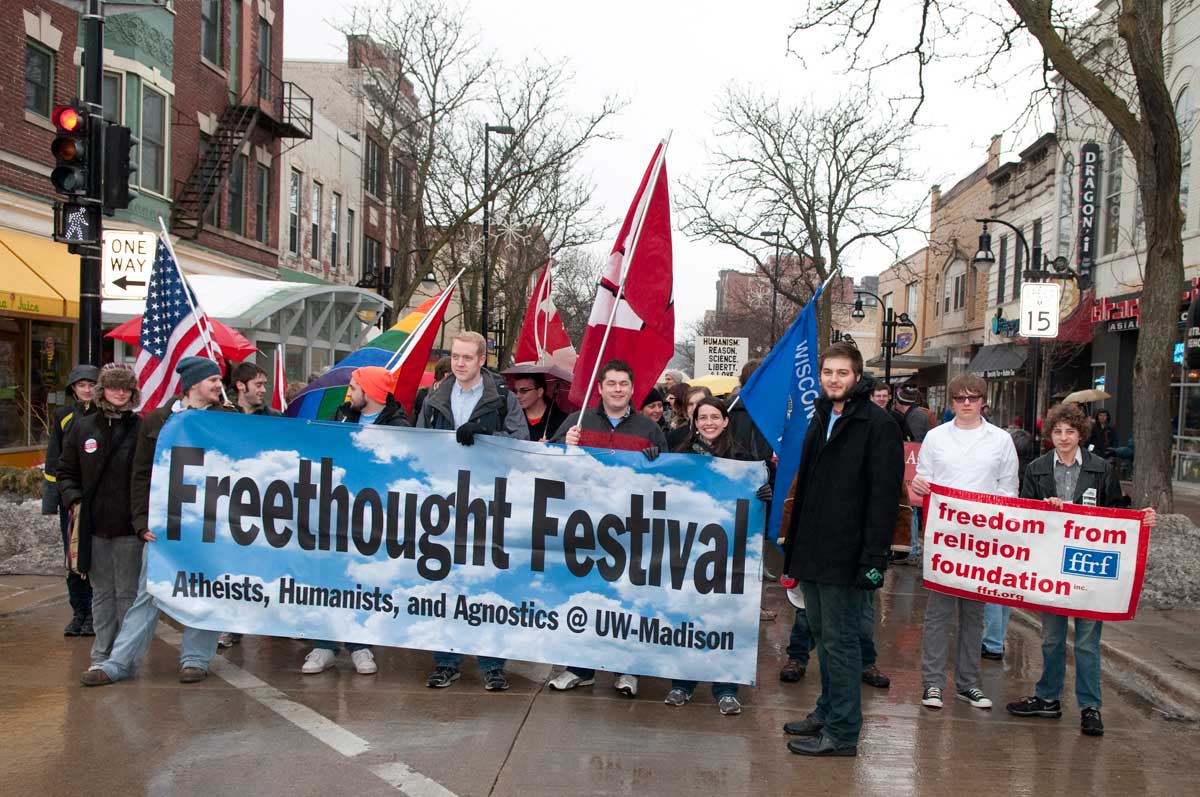
The Culture War Is Between Religious Believers on Both Sides by Howard P. Kainz
more from the online archives
31.6—November/December 2018
The Slow Vindication of Leon Podles by S. M. Hutchens

30.3—May/June 2017
Insider Attempts to Disorient the Orthodox by Alexander F. C. Webster
calling all readers
Please Donate
"There are magazines worth reading but few worth saving . . . Touchstone is just such a magazine."
—Alice von Hildebrand
"Here we do not concede one square millimeter of territory to falsehood, folly, contemporary sentimentality, or fashion. We speak the truth, and let God be our judge. . . . Touchstone is the one committedly Christian conservative journal."
—Anthony Esolen, Touchstone senior editor
