






All of Us Sparrows
by Anthony Esolen
The year is 1949, the place, New York City. In a big room are a Broadway producer and a woman novelist who, if she ever harbored religious faith, seems to have hidden it from everyone or to have drowned it in a bad marriage that resulted in divorce, remarriage, and the suicide of her husband, not to mention several illicit relationships and a lot of alcohol. Also there is a regular mountain of a woman, an African American. She, too, has led a hard and rocky life, much of it as a result of the wickedness of other people—bigotry and poverty of course, and a rape when she was only thirteen. They are trying to persuade her to play the lead in a Broadway production of the woman’s novel.
But she wants to impose two conditions. First, she will tone down the bitterness of her part as the novelist-playwright has written it. Second, she will not sing a Russian lullaby, as is specified in the second act. “I had never heard tell of a colored woman,” she would later write, “especially from Georgia, who had ever sung a Russian ditty to a child.”
THIS ARTICLE ONLY AVAILABLE TO SUBSCRIBERS.
FOR QUICK ACCESS:
Anthony Esolen is Distinguished Professor of Humanities at Thales College and the author of over 30 books, including Real Music: A Guide to the Timeless Hymns of the Church (Tan, with a CD), Out of the Ashes: Rebuilding American Culture (Regnery), and The Hundredfold: Songs for the Lord (Ignatius). He has also translated Dante’s Divine Comedy (Random House) and, with his wife Debra, publishes the web magazine Word and Song (anthonyesolen.substack.com). He is a senior editor of Touchstone.
A Journal of Mere Christianity—Delivered to Your Door
- Essays on theology, culture, and the Church
- Contributors from across the Christian traditions

Six print issues (one year) of Touchstone, plus full online access and PDF downloads for only $39.95.

Get a one-year full-access subscription to the Touchstone online archives for only $19.95.
bulk subscriptions
Order Touchstone subscriptions in bulk and save $10 per sub! Each subscription includes 6 issues of Touchstone plus full online access to touchstonemag.com—including archives, videos, and pdf downloads of recent issues for only $29.95 each! Great for churches or study groups.
Transactions will be processed on a secure server.
more on Music from the online archives

33.3—May/June 2020
Bach's Cantata BWV 106, Gottes Zeit ist die allerbesteZeit (God's time is the very best time) by Ken Myers
more from the online archives

33.2—March/April 2020
An Architectural Sign of Mere Christianity by Michael Ward
31.6—November/December 2018
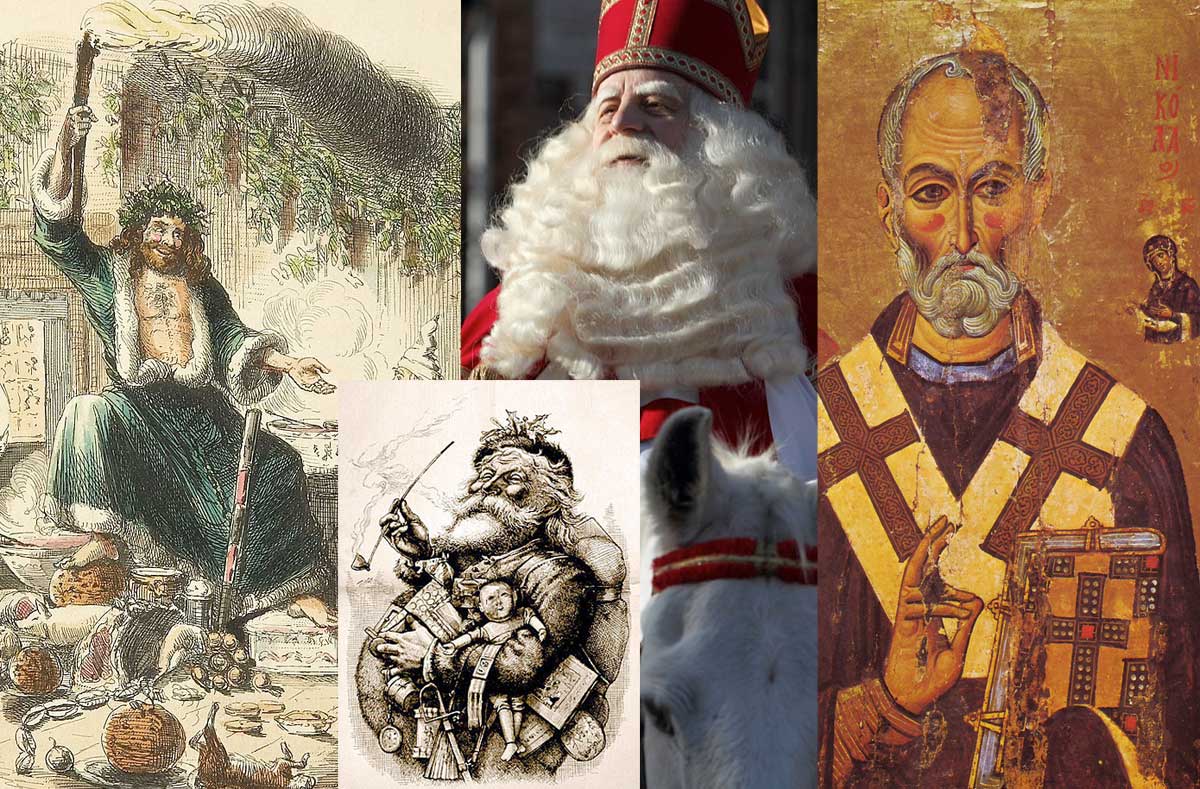
on Childhood Encounters with a Christmas Icon by Rebecca Sicree
calling all readers
Please Donate
"There are magazines worth reading but few worth saving . . . Touchstone is just such a magazine."
—Alice von Hildebrand
"Here we do not concede one square millimeter of territory to falsehood, folly, contemporary sentimentality, or fashion. We speak the truth, and let God be our judge. . . . Touchstone is the one committedly Christian conservative journal."
—Anthony Esolen, Touchstone senior editor
