




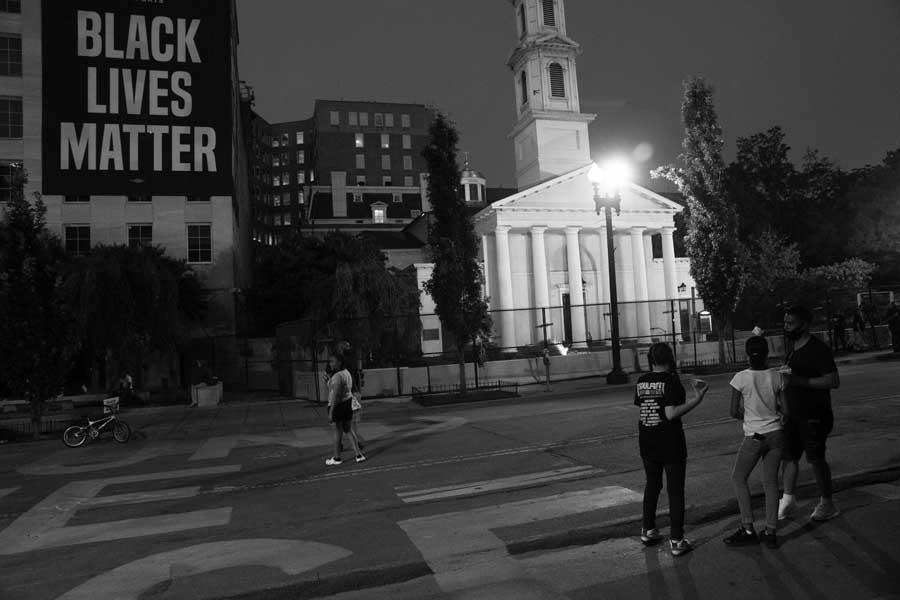
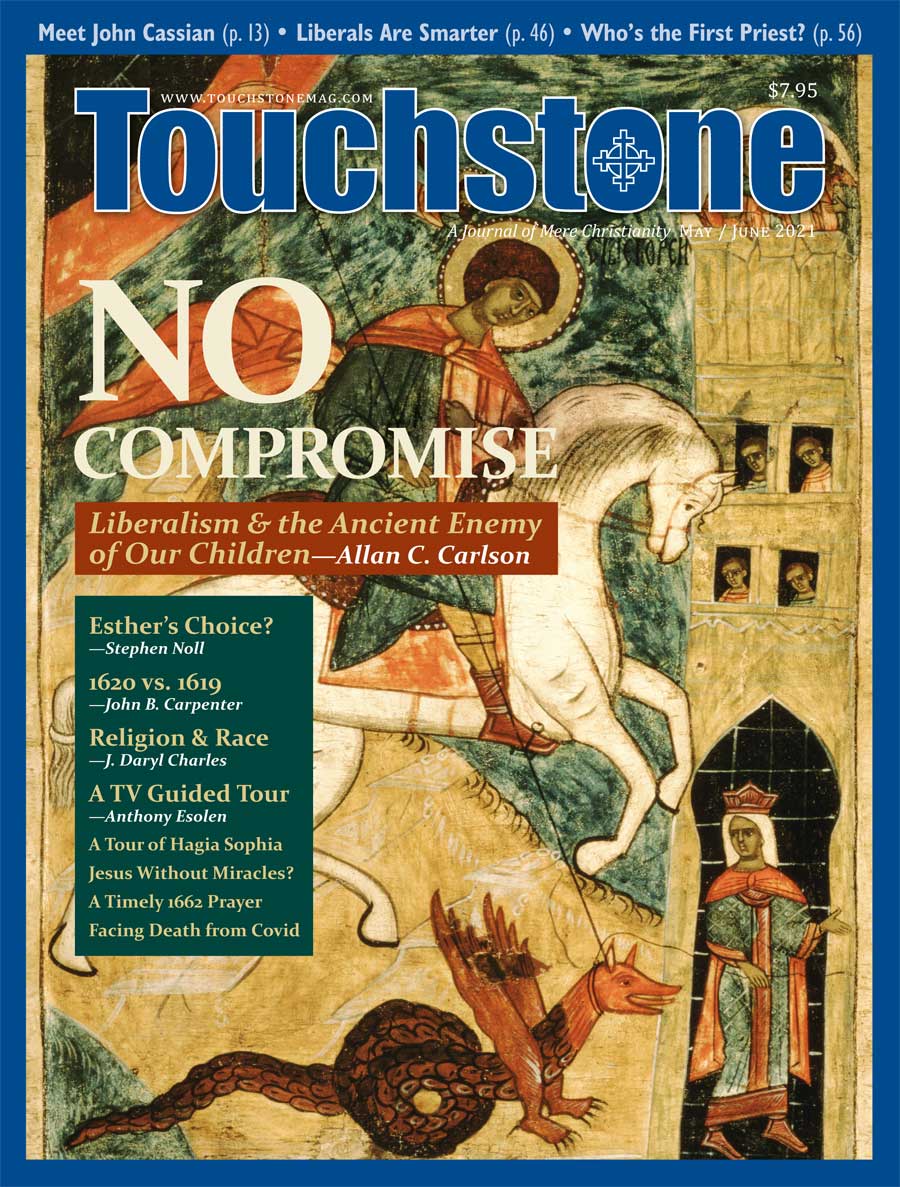
Race, Religion & Reconciliation
Reflections on the Present American Moment
by J. Daryl Charles
While cities and states have been struggling to adapt to life amid the coronavirus, it is possible that another pandemic afflicts American society in even greater proportions. For this reason, it is difficult to overstate the timeliness of a recent collection of essays edited by Gerald R. McDermott: Race and Covenant: Recovering the Religious Roots for American Reconciliation (Acton Institute Press, 2020). The essays comprising this volume issue from a February 2019 conference at Samford University in Birmingham, Alabama, that boldly, yet in a faithfully Christian manner, dared honestly to assess race relations in America.
But where to begin, given our national paralysis on racial matters? And who can presume to speak with any measure of authority on such matters?
THIS ARTICLE ONLY AVAILABLE TO SUBSCRIBERS.
FOR QUICK ACCESS:
J. Daryl Charles is the Acton Institute Affiliated Scholar in Theology & Ethics. He is the author or editor of twenty books, including Retrieving the Natural Law (2008), Natural Law and Religious Freedom (2018), and, most recently, Just War and Christian Traditions (forthcoming). He is also co-editor of Abraham Kuyper, Common Grace: God's Gifts for a Fallen World, Volume 3 (2020). He is a contributing editor to Touchstone.
A Journal of Mere Christianity—Delivered to Your Door
- Essays on theology, culture, and the Church
- Contributors from across the Christian traditions

Six print issues (one year) of Touchstone, plus full online access and PDF downloads for only $39.95.

Get a one-year full-access subscription to the Touchstone online archives for only $19.95.
bulk subscriptions
Order Touchstone subscriptions in bulk and save $10 per sub! Each subscription includes 6 issues of Touchstone plus full online access to touchstonemag.com—including archives, videos, and pdf downloads of recent issues for only $29.95 each! Great for churches or study groups.
Transactions will be processed on a secure server.
more on America from the online archives
30.5—Sept/Oct 2017
The Christian Cure for What Ails Modern Politics by David Bradshaw
29.2—March/April 2016
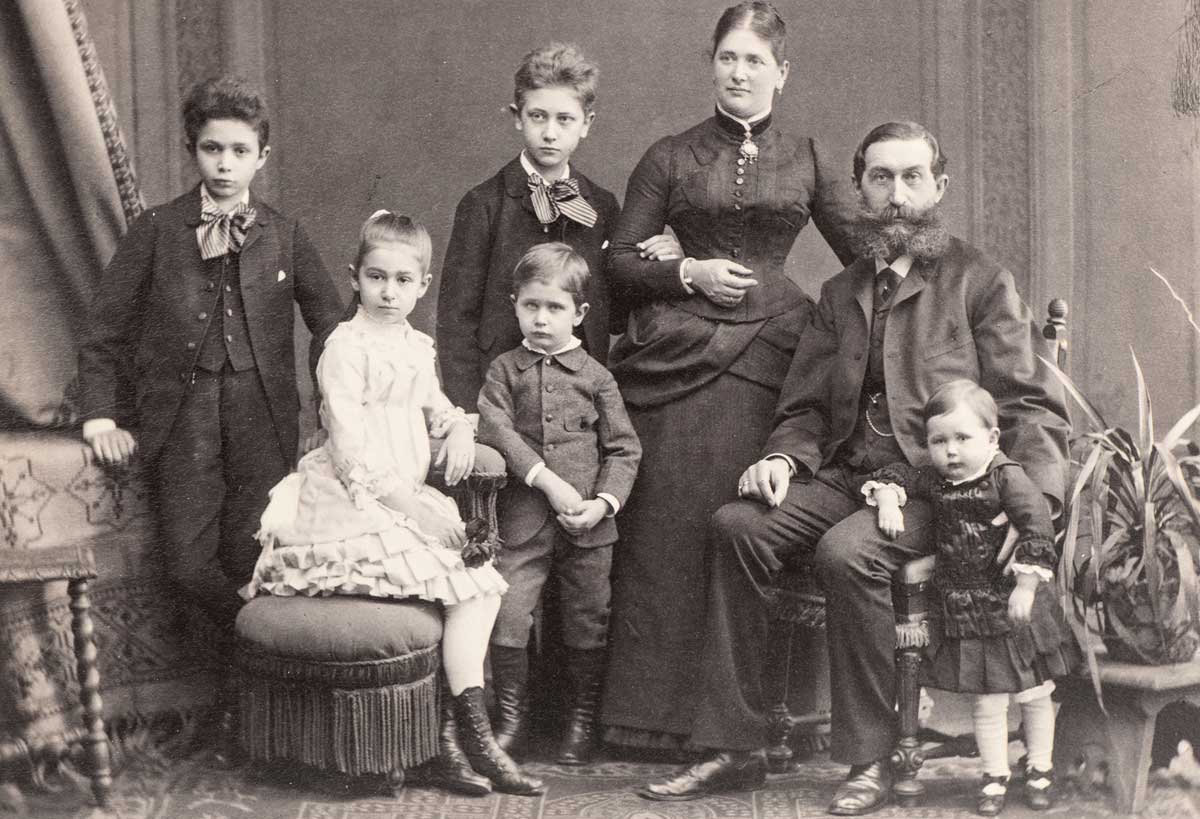
The History of Family Strength in America May Reveal Good News by Allan C. Carlson
29.4—July/August 2016
Russell Kirk: American Conservative by Bradley J. Birzer by Hunter Baker
more from the online archives

33.1—January/February 2020
Do You Know Your Child’s Doctor?
The Politicization of Pediatrics in America by Alexander F. C. Webster
15.6—July/August 2002
Things Hidden Since the Beginning of the World
The Shape of Divine Providence & Human History by James Hitchcock
19.4—May 2006
The Culture War Is Between Religious Believers on Both Sides by Howard P. Kainz
calling all readers
Please Donate
"There are magazines worth reading but few worth saving . . . Touchstone is just such a magazine."
—Alice von Hildebrand
"Here we do not concede one square millimeter of territory to falsehood, folly, contemporary sentimentality, or fashion. We speak the truth, and let God be our judge. . . . Touchstone is the one committedly Christian conservative journal."
—Anthony Esolen, Touchstone senior editor
