




View
The Academy's Blind Spot
Thomas Albert (Tal) Howard on the Limits of "Post-Colonialism"
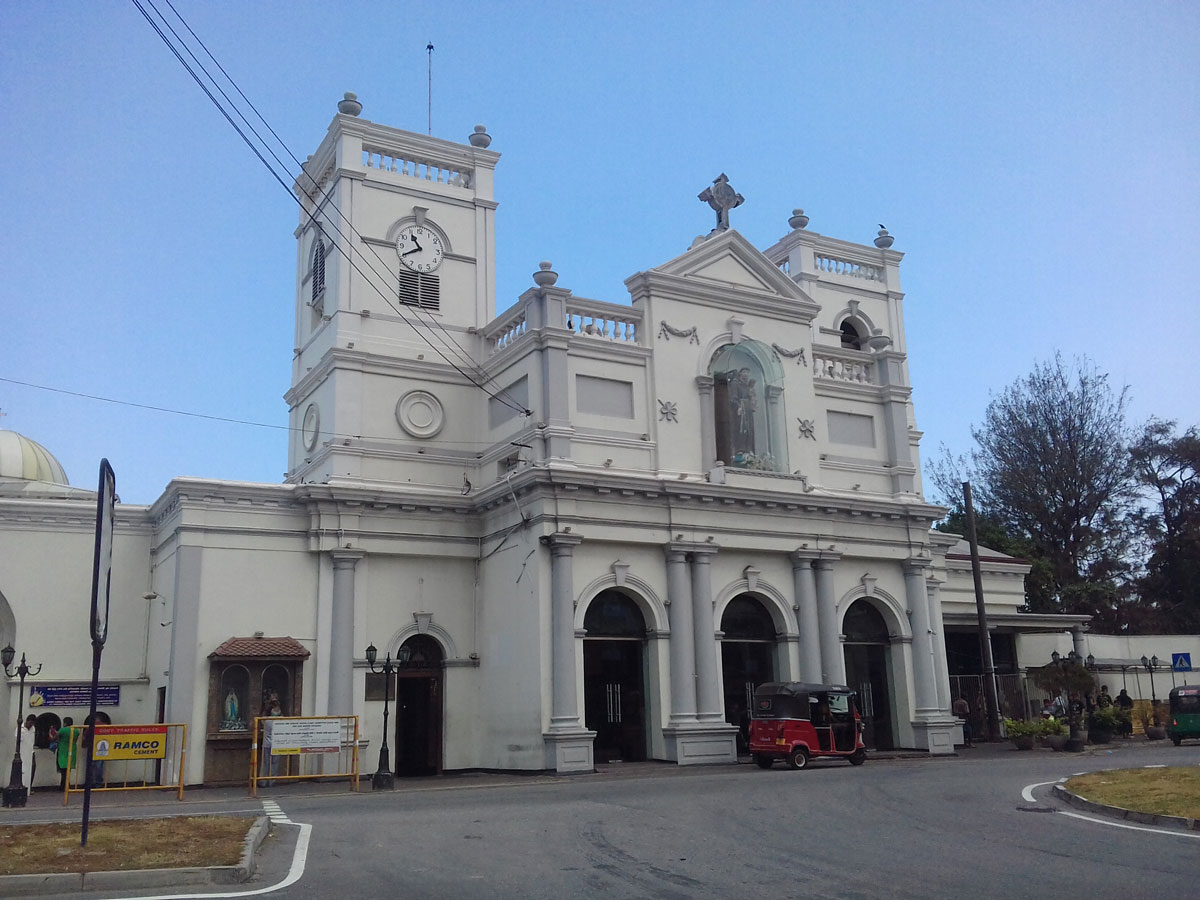
The attacks this past Easter against Christians in Sri Lanka were horrific in themselves, but the horror deepens when we realize that they fit a broader pattern of global persecution. Unfortunately, in the West, certain sensibilities and assumptions hinder us from perceiving the magnitude of the problem.
For this reason, several months ago, the British foreign secretary, Jeremy Hunt, made known an independent review into how the British government responds to worldwide persecution. A feeling of post-colonial guilt, he assayed, has hindered people's ability to grasp the enormous scale of the issue, as Christianity is often associated with "white privilege" and missionaries are regarded contemptuously as agents of imperialism.
Hunt is on to something. But the problem is not confined to British society. The Western academy at large, in North America and Europe, in its thralldom to "post-colonial theory," has some answering to do.
Since Edward Said's landmark Orientalism (1978), study after "post-colonialist" study has produced a rigid orthodoxy. Colonizers lorded it over the colonized, exploiting them economically, socially, and culturally. The "White Man's Burden," Europe's mission civilisatrice, was a sanctimonious justification for the ruthless suppression of indigenous peoples in Africa, the Middle East, and Asia. Integral to this outlook is the assumption that Christian missionaries were dupes of colonial power—"imperialism at prayer," according to one scholar. In the "presuppositions of a Saidian master narrative," Jeffrey Cox has summed up, missionaries are "simply, imperialists; if different from other imperialists, it is because they were marginal, or because they were worse." Frequently assigned books such as Chinua Achebe's Things Fall Apart or Barbara Kingsolver's Poisonwood Bible, both scathingly critical of Western missions, enforce to unwitting undergraduates the general consensus.
To be sure, this outlook contains considerable truth. Colonialism could be a cruel force, and missionaries sometimes abetted it. The historical record on this is quite clear. But sweeping theories about the past usually err not in being wholly wrong, but in reaching farther than their grasp allows. In this case, the role of missionaries and their global legacy today are far more complex than post-colonialist theorists have recognized. What is more, uncritical adherence to the post-colonialist narrative blinds one to the vastly under-reported humanitarian crisis of Christian persecution, especially of lower-class and minority groups drawn to Christianity during colonial times. The post-colonialist outlook also leaves one at a loss to fathom the post-Western flowering of Christianity taking place today in the erstwhile colonized world.
Fortunately in recent years, the academy has also produced several studies that controvert reductive versions of the post-colonialist perspective. These studies deserve a much wider hearing than they currently have.
The Conversionary Protestant Missions
The first is by Robert D. Woodberry of Baylor University, author of "The Missionary Roots of Liberal Democracy," published in the American Political Science Review (2012), among the most highly awarded articles in this prestigious journal's history. Setting his sights on those who would ignore or contemn missionaries, Woodberry argues that the global activity of "conversionary Protestants" (CPs) from the late eighteenth to the early twentieth century is a leading cause of the global spread of liberal democracy over against various forms of tyranny and oppression. "CPs," he argues "were a crucial catalyst initiating the development and spread of religious liberty, mass education, mass printing, newspapers, voluntary organizations, most major colonial reforms, and the codification of legal protections for nonwhites." These innovations in myriad global mission sites studied by Woodberry in turn "fostered conditions that made stable representative democracy more likely."
Woodberry stresses the Protestant emphasis on sola scriptura. Unlike some past missions that focused on elites, he claims, Protestant ones emphasized popular literacy and education, two key ingredients for civil society and the emergence of liberal democracy. What is more, in their search for converts, Protestant missionaries regularly reached out to lower-class individuals and despised minorities, such as Dalits ("untouchables") and tribal classes in India. In this respect, writes Woodberry, CPs "influenced class structure by dispersing education to women and the poor, making texts widely available, spawning civil society among non-elites and moderating abuses of power—with demonstrable political consequences."
For their part, minorities and lower-class individuals were disproportionately attracted to Christian notions of human dignity (imago Dei) and the gospel's emphasis on spiritual equality. As the Apostle Paul put it in Galatians: "There is no longer Jew or Greek, there is no longer slave or free, there no longer male and female, for all of you are one in Christ Jesus" (Gal. 3:28). As was often true in the Roman Empire, conversion to Christianity frequently came to the downtrodden as liberation from age-old structures of ostracism and indignity.
Thomas Albert Howard is Professor of Humanities and holder of the Phyllis and Richard Duesenberg Chair in Christian Ethics at Valparaiso University.
A Journal of Mere Christianity—Delivered to Your Door
- Essays on theology, culture, and the Church
- Contributors from across the Christian traditions

Six print issues (one year) of Touchstone, plus full online access and PDF downloads for only $39.95.

Get a one-year full-access subscription to the Touchstone online archives for only $19.95.
bulk subscriptions
Order Touchstone subscriptions in bulk and save $10 per sub! Each subscription includes 6 issues of Touchstone plus full online access to touchstonemag.com—including archives, videos, and pdf downloads of recent issues for only $29.95 each! Great for churches or study groups.
Transactions will be processed on a secure server.
more on education from the online archives


24.5—Sept/Oct 2011
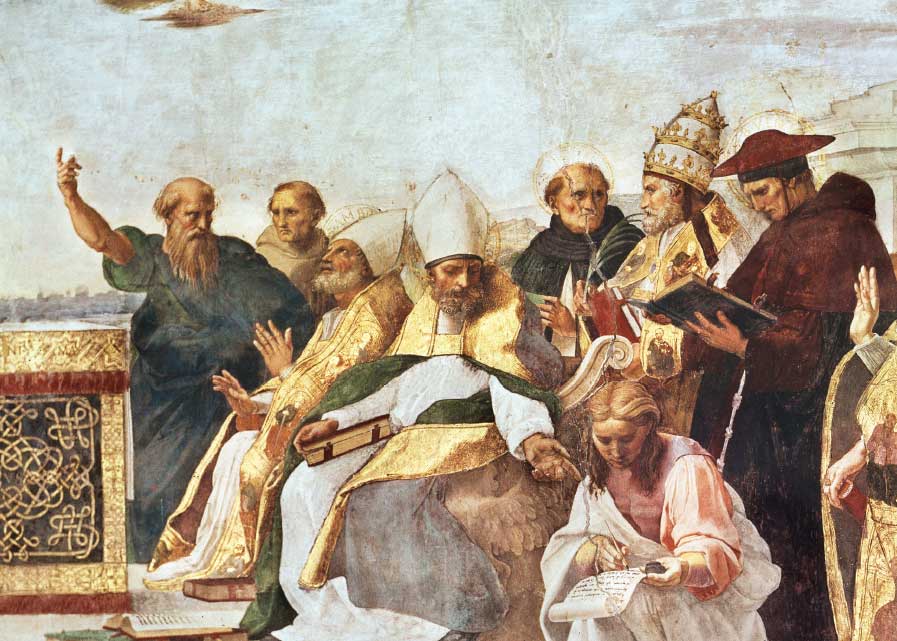
on Wondering or Wandering Through College Education by Anthony Esolen
more from the online archives
29.5—Sept/Oct 2016
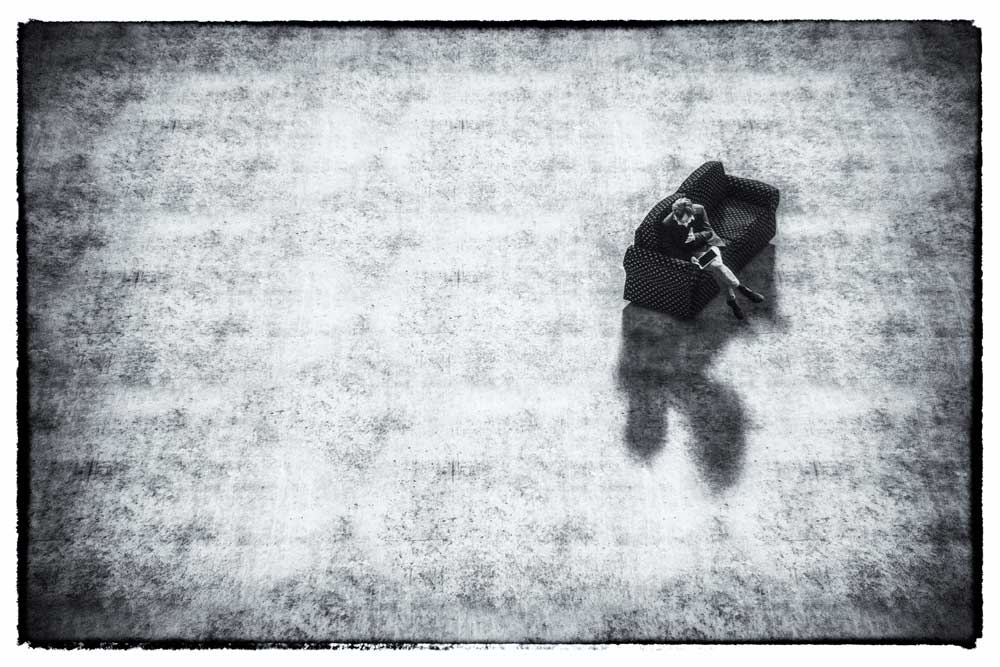
on the Loss of True Community & Rising Political Desperation by Karl D. Stephan


calling all readers
Please Donate
"There are magazines worth reading but few worth saving . . . Touchstone is just such a magazine."
—Alice von Hildebrand
"Here we do not concede one square millimeter of territory to falsehood, folly, contemporary sentimentality, or fashion. We speak the truth, and let God be our judge. . . . Touchstone is the one committedly Christian conservative journal."
—Anthony Esolen, Touchstone senior editor
