




Contours of Culture
Image & Reality
by Ken Myers
"The dearest freshness deep down things . . ."
In 2003, I talked with journalist Mark Oppenheimer about his book, Knocking on Heaven's Door: American Religion in the Age of Counterculture. That volume examined the changes to American religious life initiated by the cultural shifts of the late 1960s and early 1970s. "If someone were beamed forward in a time capsule from 1950 to today," Oppenheimer observed, "the most noticeable thing would just be that everyone dresses as if they just rolled out of bed."
In the late 1960s, America unbuttoned. The advent of an attitude of suspicion or outright hostility toward formality was, Oppenheimer argues, the must substantial cultural legacy of the 1960s. This shift away from concern for standards of formality or propriety has widely been assumed to be content-neutral. As pragmatic, rational heirs of the Enlightenment, Americans tend to scoff at the idea that the form our experience takes powerfully shapes ("in-forms") our thoughts.
But this was not merely a superficial or cosmetic adjustment. Content follows form; "the aesthetic counterculture," writes Oppenheimer, "the counterculture of style, which might seem like window dressing, could be the most radical counterculture of all. . . . And it could insinuate itself, cunningly." The now-established insouciance toward formality has nourished the modern confidence that self-expression is the highest good.
It has also reinforced the complementary assumption that there is no transcendent order in the nature of things, the honoring of which can and should be expressed in the cultural forms we communally employ and in those we prohibit. Standards of propriety, of good manners, are now widely seen—in churches and in secular culture—as engines of oppression rather than practices that orient us toward recognition of the order of Creation.

Images & Connectedness
I know of no better extended reflection on the meaningfulness of forms than a book written in 1969, when the American unbuttoning (both literally and figuratively) was just getting under way. The author is Thomas Howard, and the original title was An Antique Drum: The World as Image. The title was an allusion to T. S. Eliot's "Little Gidding" (and to appreciate its significance, meditation on the poem is necessary), while the more direct subtitle signals Howard's central interest: the world we live in is ordered, not random. It is a meaningful Creation, and its order must be perceived by the imagination.
Although Howard doesn't use theological language, it would be fitting to characterize the viewpoint he playfully represents in the book (are Howard's books ever without playfulness?) as sacramental. Consider this passage from the final chapter, "Bravo the Humdrum":
The viewpoint being described in this book would accept neither the positivism that insists that it is "only this and nothing more," nor the idealism that says that this isn't really it at all. It celebrates the hard reality and beauty of things in themselves—things that need no transcendent apologia (borzois, mountains, dolphins, sex, wine, babies), and sees this reality as appearing simultaneously and paradoxically as itself and as image. Not as mirage but as image. Not as allegory but as image. Not as illusion but as a case in point, under its own species, of the way things are.
Ken Myers is the host and producer of the Mars Hill Audio Journal. Formerly an arts editor with National Public Radio, he also serves as music director at All Saints Anglican Church in Ivy, Virginia. He is a contributing editor for Touchstone.
A Journal of Mere Christianity—Delivered to Your Door
- Essays on theology, culture, and the Church
- Contributors from across the Christian traditions

Six print issues (one year) of Touchstone, plus full online access and PDF downloads for only $39.95.

Get a one-year full-access subscription to the Touchstone online archives for only $19.95.
bulk subscriptions
Order Touchstone subscriptions in bulk and save $10 per sub! Each subscription includes 6 issues of Touchstone plus full online access to touchstonemag.com—including archives, videos, and pdf downloads of recent issues for only $29.95 each! Great for churches or study groups.
Transactions will be processed on a secure server.
more from the online archives
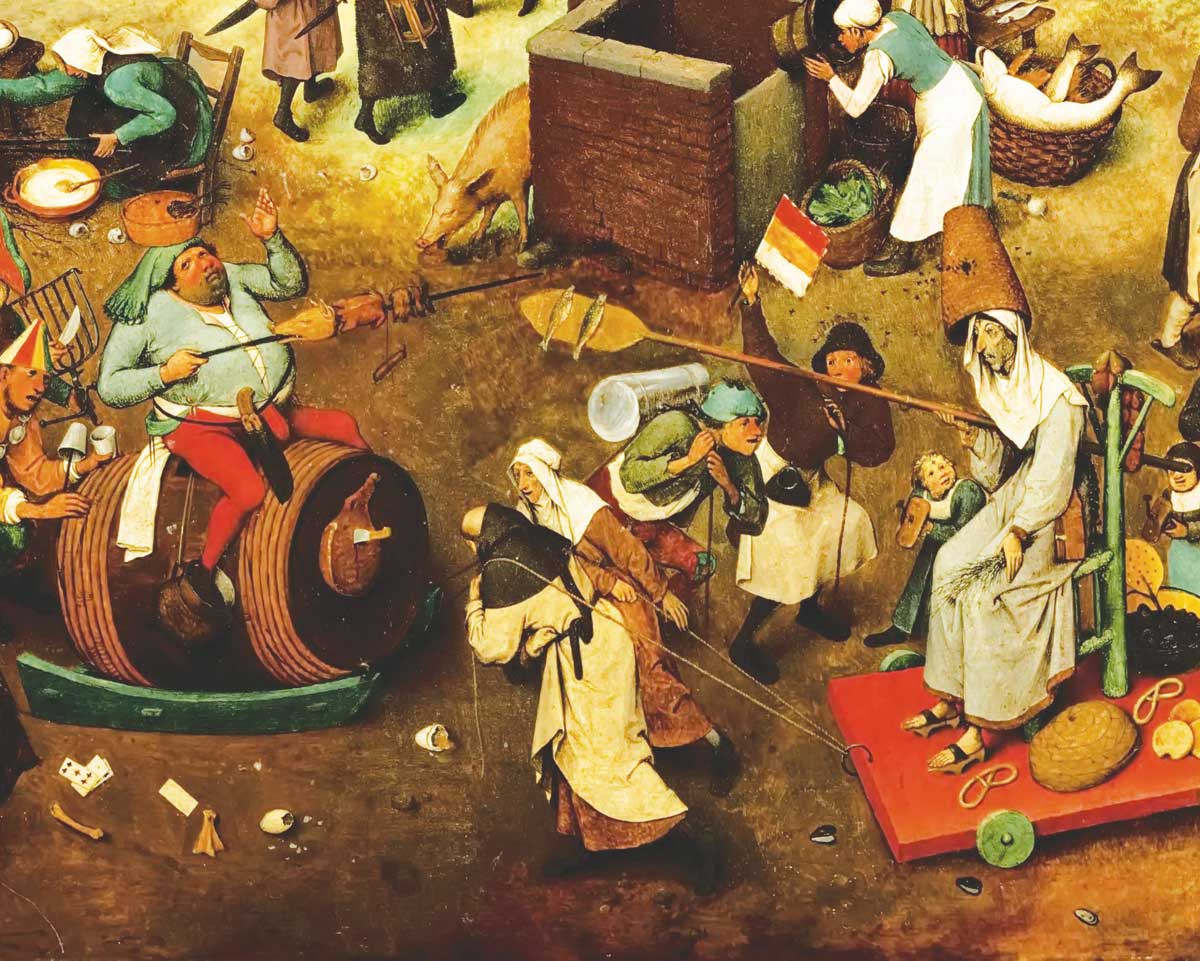
30.5—Sept/Oct 2017
The Critical History Before, During & After Martin Luther by James Hitchcock
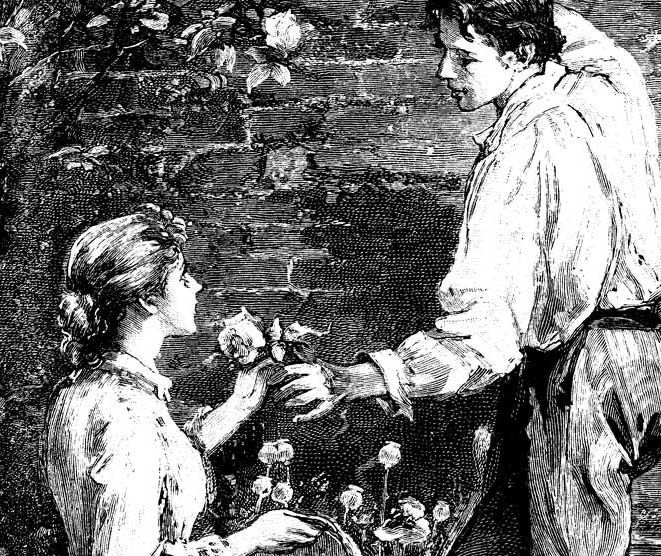
31.1—January/February 2018
The Wisdom of the Victorian Quest for Innocence by David Sandifer
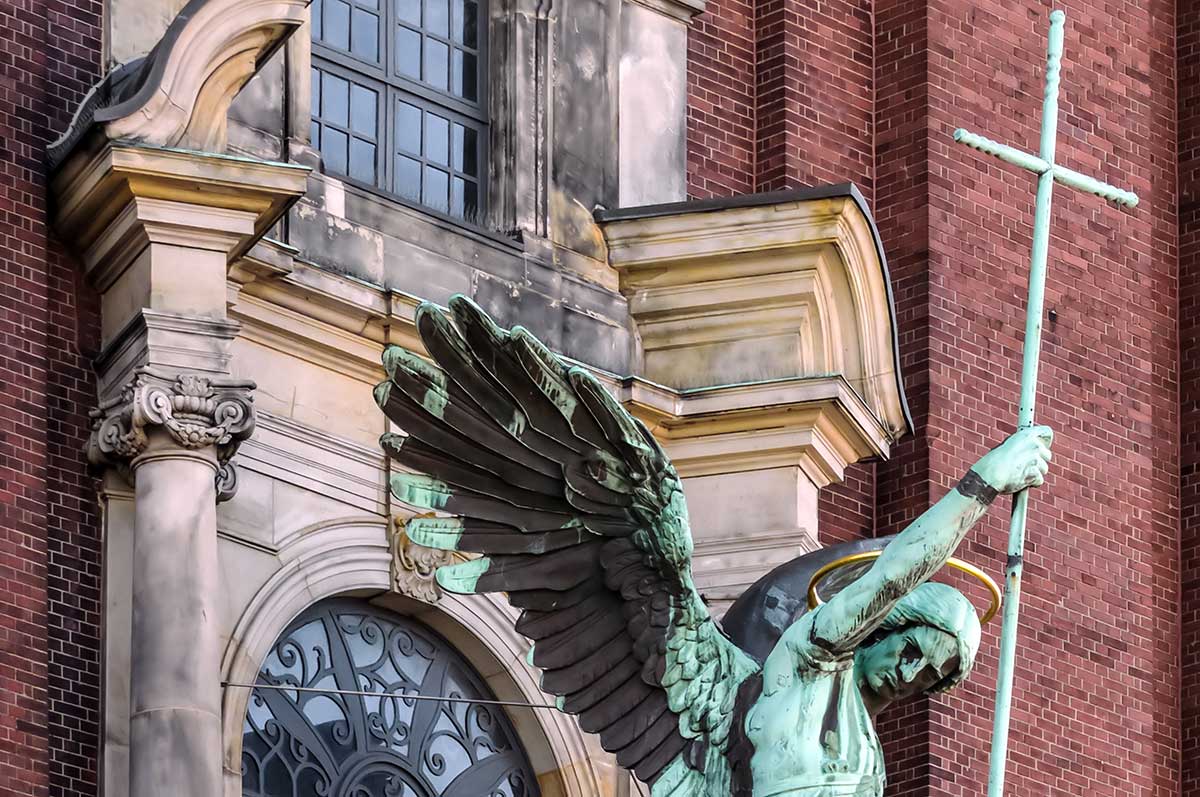
31.2—March/April 2018
How Best to Face the Total War of the Anti-Culture by R. J. Snell
calling all readers
Please Donate
"There are magazines worth reading but few worth saving . . . Touchstone is just such a magazine."
—Alice von Hildebrand
"Here we do not concede one square millimeter of territory to falsehood, folly, contemporary sentimentality, or fashion. We speak the truth, and let God be our judge. . . . Touchstone is the one committedly Christian conservative journal."
—Anthony Esolen, Touchstone senior editor
