





A Two-Legged Stool
Is Democracy Possible Here? Principles for a New Political Debate
by Ronald Dworkin
Princeton University Press, 2006
(192 pages, $19.95, hardcover)
reviewed by David L. Tubbs
How significant are the “culture wars” for American politics? In Is Democracy Possible Here?, the distinguished legal scholar Ronald Dworkin contests the idea that a “comprehensive and unbridgeable cultural gap” now defines our political life.
THIS ARTICLE ONLY AVAILABLE TO SUBSCRIBERS.
FOR QUICK ACCESS:
A Journal of Mere Christianity—Delivered to Your Door
- Essays on theology, culture, and the Church
- Contributors from across the Christian traditions

Six print issues (one year) of Touchstone, plus full online access and PDF downloads for only $39.95.

Get a one-year full-access subscription to the Touchstone online archives for only $19.95.
bulk subscriptions
Order Touchstone subscriptions in bulk and save $10 per sub! Each subscription includes 6 issues of Touchstone plus full online access to touchstonemag.com—including archives, videos, and pdf downloads of recent issues for only $29.95 each! Great for churches or study groups.
Transactions will be processed on a secure server.
more from the online archives
28.3—May/June 2015
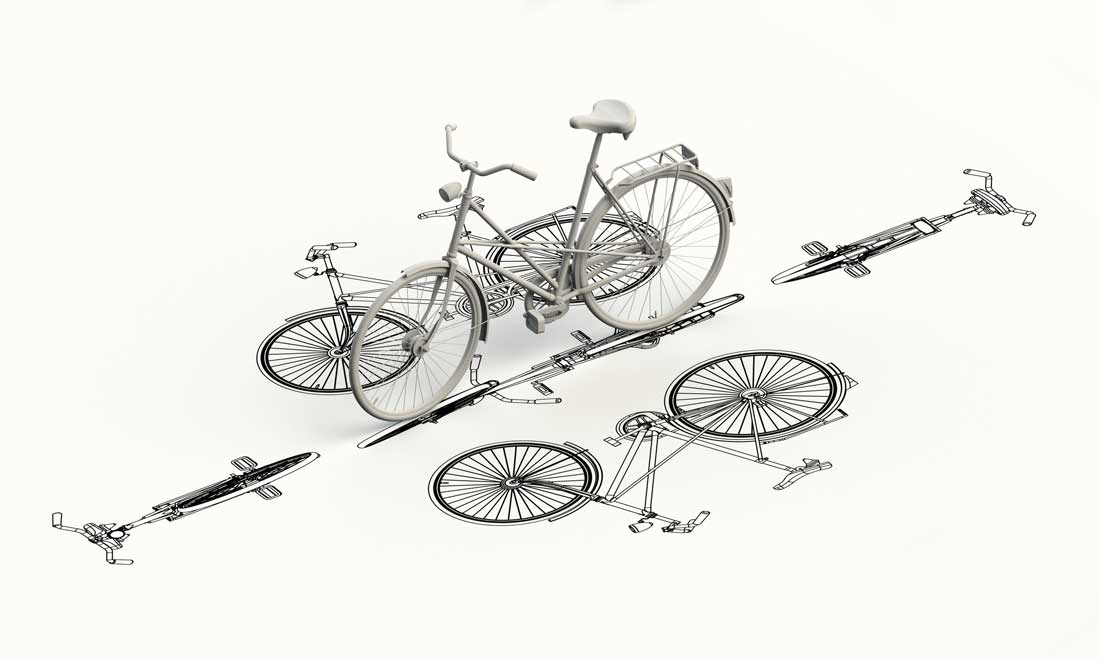
Of Bicycles, Sex, & Natural Law
Describing Human Ends & Our Limitations Is Neither Futile Nor Unloving by R. V. Young
29.5—Sept/Oct 2016
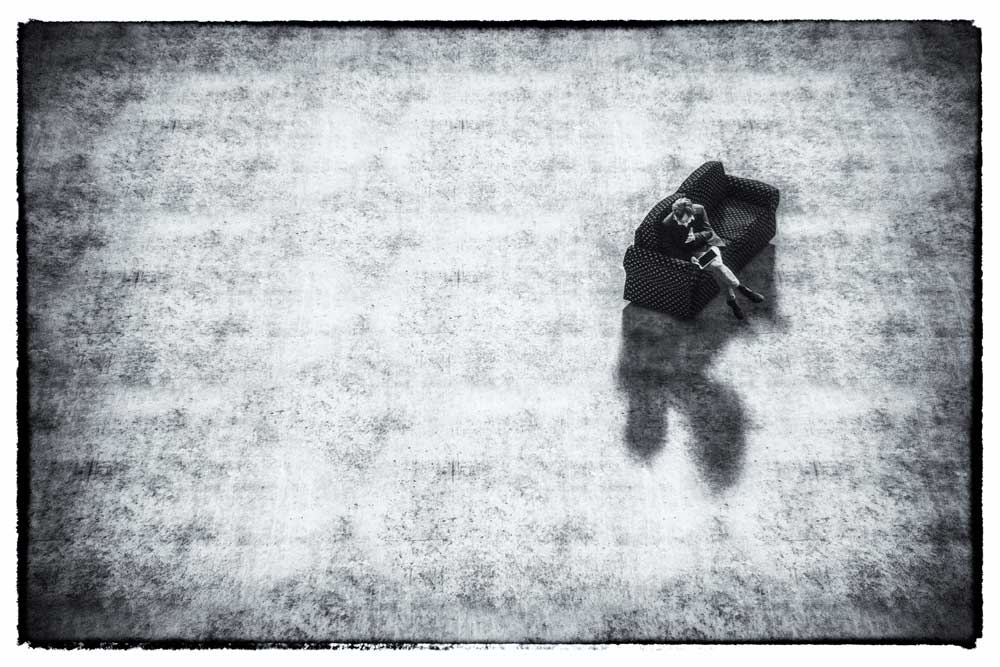
on the Loss of True Community & Rising Political Desperation by Karl D. Stephan
32.6—November/December 2019
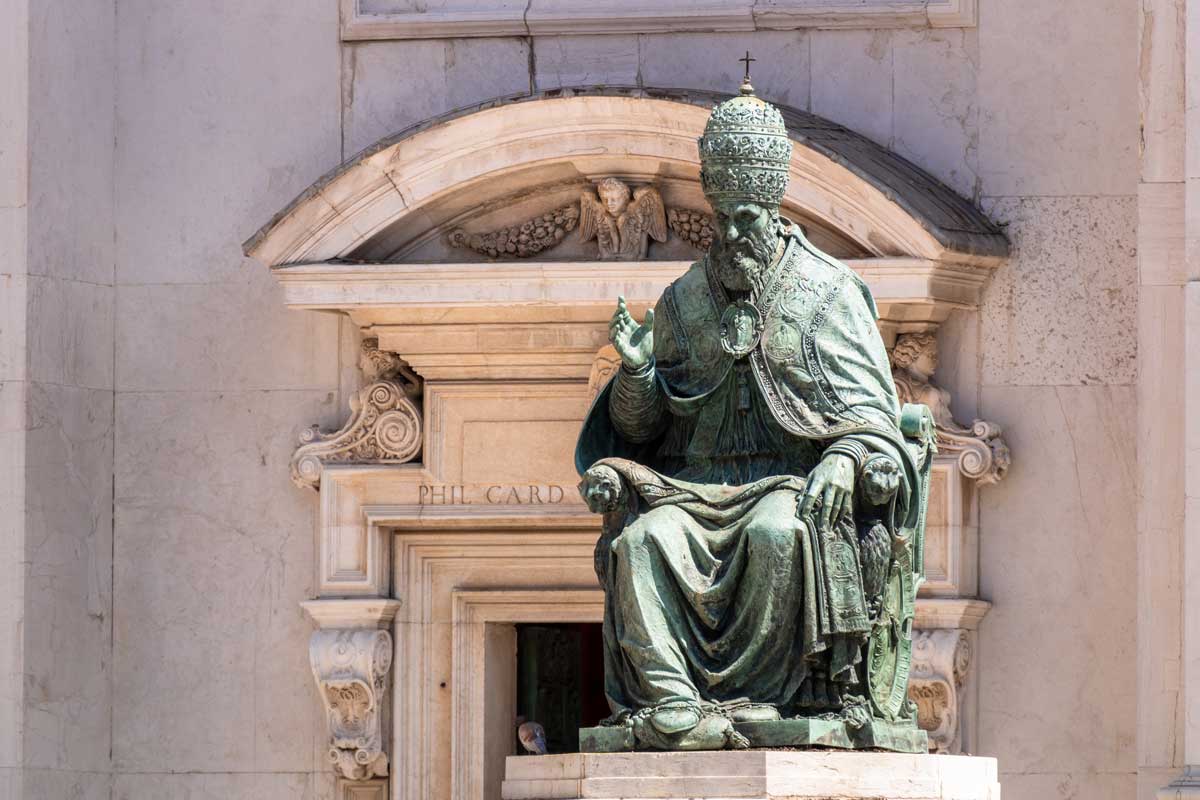
on Taking Heed of the Parallels Between the Crises of Yesterday & Today by Korey D. Maas
calling all readers
Please Donate
"There are magazines worth reading but few worth saving . . . Touchstone is just such a magazine."
—Alice von Hildebrand
"Here we do not concede one square millimeter of territory to falsehood, folly, contemporary sentimentality, or fashion. We speak the truth, and let God be our judge. . . . Touchstone is the one committedly Christian conservative journal."
—Anthony Esolen, Touchstone senior editor
