





Seed of Doubt
Who Am I? Experiences of Donor Conception
foreword and afterword by Dr. Alexina McWhinnie
Idreos Education Trust, 2006
(72 pages, $12.95, paperback)
reviewed by Anne Barbeau Gardiner
This little but groundbreaking book gives us the life histories, in their own words, of three women who were conceived by anonymous donor insemination (DI) and lament that they were deliberately kept in the dark about their natural father’s identity and his family history.
THIS ARTICLE ONLY AVAILABLE TO SUBSCRIBERS.
FOR QUICK ACCESS:
Anne Barbeau Gardiner is Professor Emerita of English at John Jay College of the City University of New York. She has published on Dryden, Milton, and Swift, as well as on Catholics of the 17th century.
A Journal of Mere Christianity—Delivered to Your Door
- Essays on theology, culture, and the Church
- Contributors from across the Christian traditions

Six print issues (one year) of Touchstone, plus full online access and PDF downloads for only $39.95.

Get a one-year full-access subscription to the Touchstone online archives for only $19.95.
bulk subscriptions
Order Touchstone subscriptions in bulk and save $10 per sub! Each subscription includes 6 issues of Touchstone plus full online access to touchstonemag.com—including archives, videos, and pdf downloads of recent issues for only $29.95 each! Great for churches or study groups.
Transactions will be processed on a secure server.
more from the online archives

30.2—March/April 2017
on Reading Don Quixote in Its Original Christian Context by Luis Cortest
19.4—May 2006
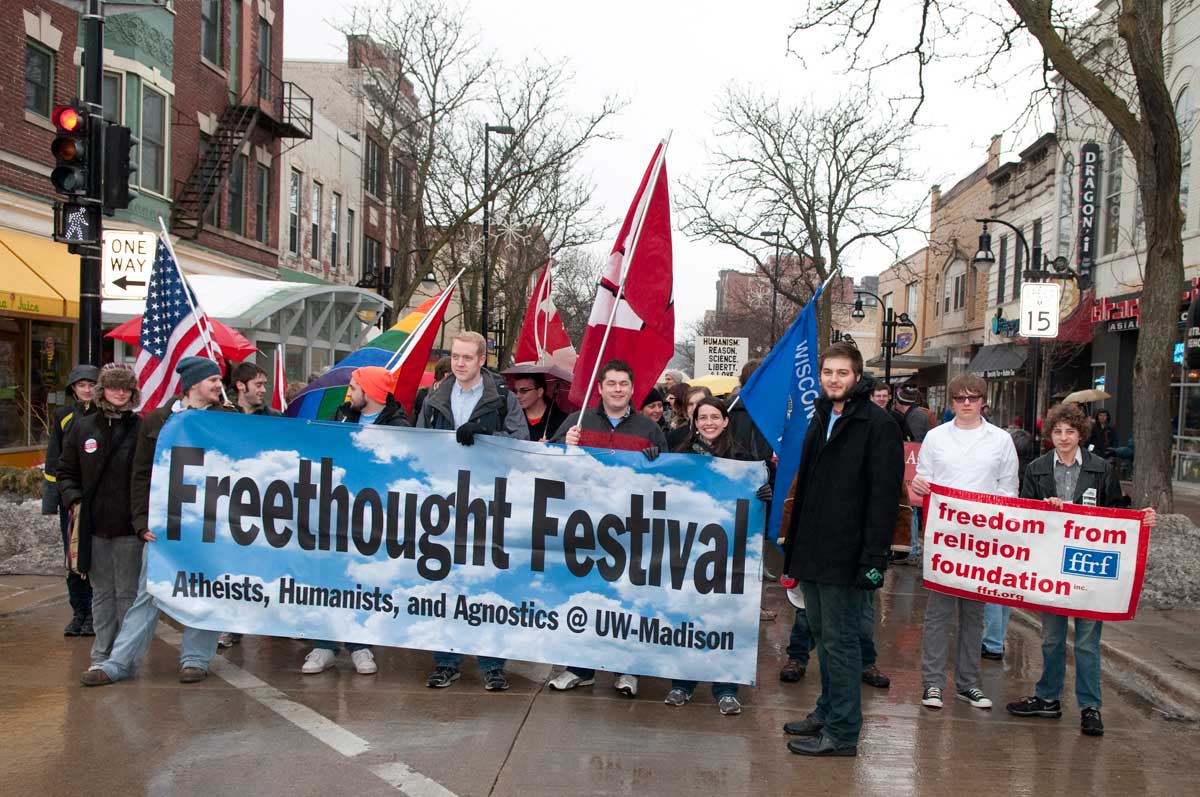
The Culture War Is Between Religious Believers on Both Sides by Howard P. Kainz
35.6—Nov/Dec 2022
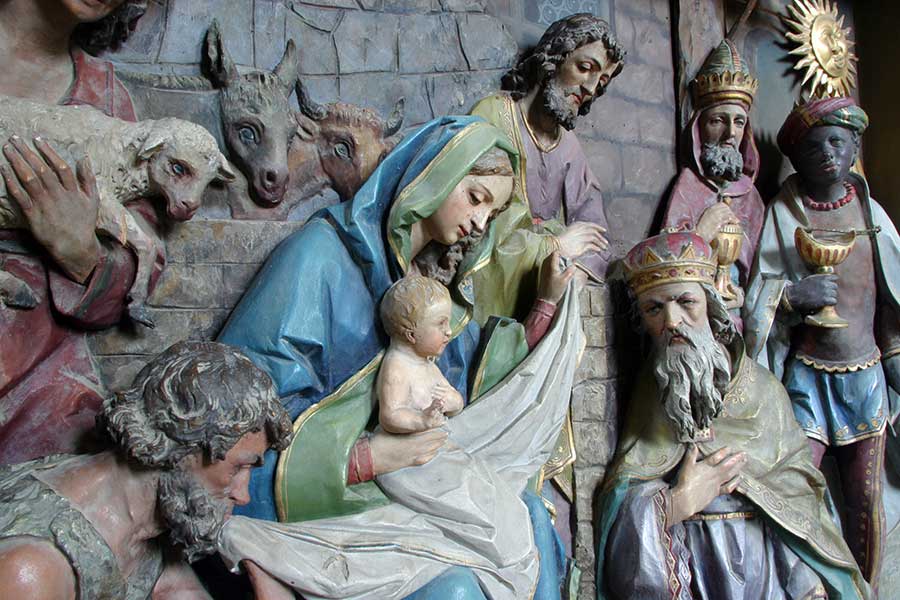
on the Divine Promise Fulfilled by the Child of Bethlehem by James M. Kushiner
calling all readers
Please Donate
"There are magazines worth reading but few worth saving . . . Touchstone is just such a magazine."
—Alice von Hildebrand
"Here we do not concede one square millimeter of territory to falsehood, folly, contemporary sentimentality, or fashion. We speak the truth, and let God be our judge. . . . Touchstone is the one committedly Christian conservative journal."
—Anthony Esolen, Touchstone senior editor
