





Two Men & a Maybe
My daily Internet reading often provides me with fascinating topics for lectures, discussions, and reflections. This was especially the case on June 14, 2006. The first item to attract my attention that day, from an on-line philosophy journal, was an essay by one of my colleagues at Berkeley, the English professor Frederick Crews, the introduction to his new collection Follies of the Wise.
By “the wise,” Crews apparently means fools who rank high in the social realm or academic pecking order, and their chief folly is belief in God. This belief ranks as folly, according to Crews, because it has been discredited, both by the logic of Darwinism and by the occurrence of natural catastrophes, specifically, the great Indian Ocean tsunami of December 2004.
In pre-modern times, religious leaders could ascribe natural disasters to God’s anger at human wickedness. By 2005, only an unschooled person or a blinkered zealot could fail to understand that a thoroughly natural conjunction of forces had wiped out populations whose only “sin” was to have pursued their livelihood or recreation in lowlands adjacent to the ocean.
THIS ARTICLE ONLY AVAILABLE TO SUBSCRIBERS.
FOR QUICK ACCESS:
Phillip E. Johnson is Professor of Law (emeritus) at the University of California at Berkeley. He is the author of Darwin on Trial, The Wedge of Truth, The Right Questions (InterVarsity Press), and other books challenging the naturalistic assumptions that dominate modern culture. He is a contributing editor of Touchstone.
subscription options
Order
Print/Online Subscription

Get six issues (one year) of Touchstone PLUS full online access including pdf downloads for only $39.95. That's only $3.34 per month!
Order
Online Only
Subscription

Get a one-year full-access subscription to the Touchstone online archives for only $19.95. That's only $1.66 per month!
bulk subscriptions
Order Touchstone subscriptions in bulk and save $10 per sub! Each subscription includes 6 issues of Touchstone plus full online access to touchstonemag.com—including archives, videos, and pdf downloads of recent issues for only $29.95 each! Great for churches or study groups.
Transactions will be processed on a secure server.
more from the online archives
30.2—March/April 2017
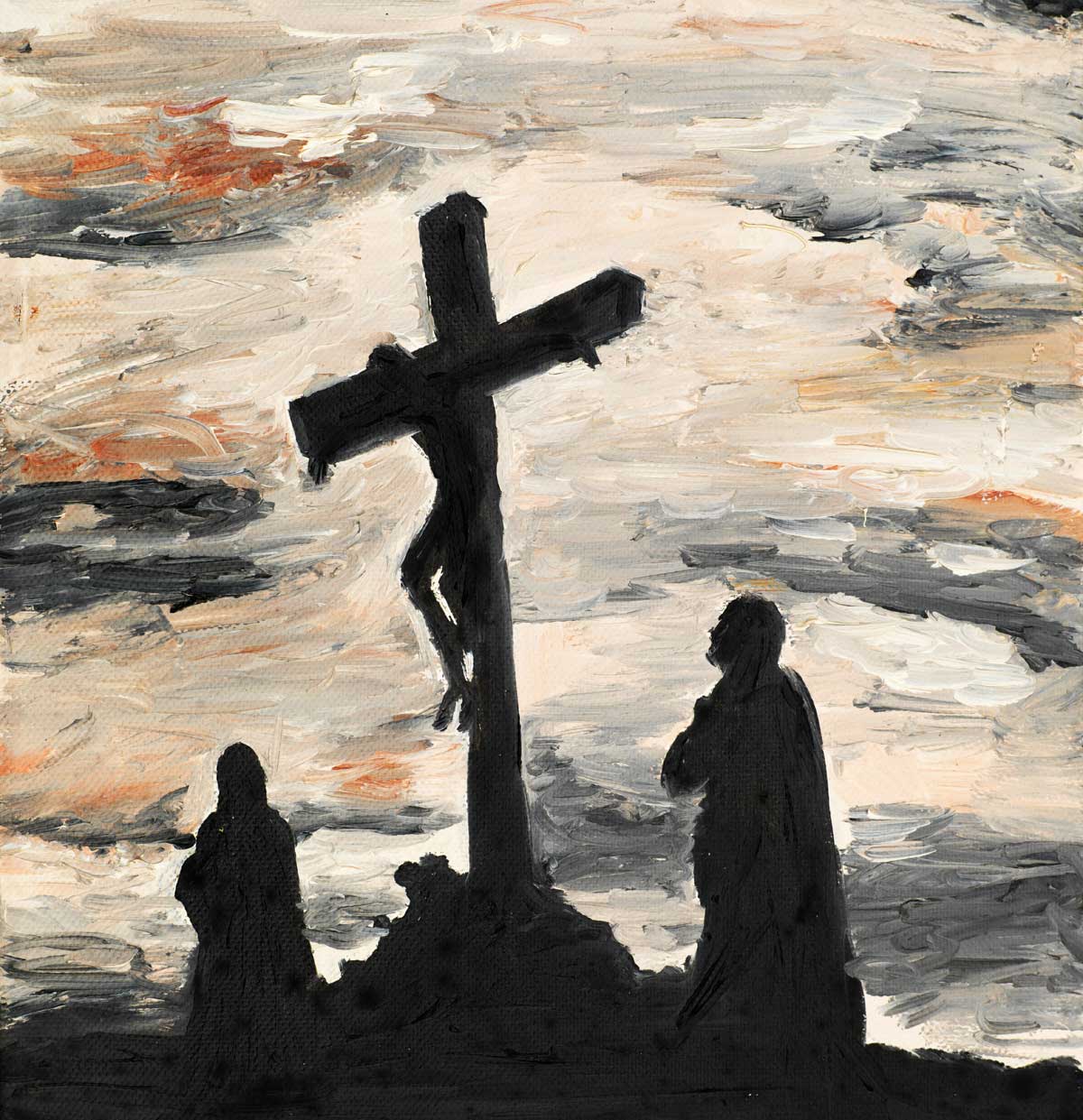
Our Path to Holiness Runs Straight Through Calvary by Robin Phillips
calling all readers
Please Donate
"There are magazines worth reading but few worth saving . . . Touchstone is just such a magazine."
—Alice von Hildebrand
"Here we do not concede one square millimeter of territory to falsehood, folly, contemporary sentimentality, or fashion. We speak the truth, and let God be our judge. . . . Touchstone is the one committedly Christian conservative journal."
—Anthony Esolen, Touchstone senior editor
