




Life Talk
J. C. Willke on the Words Pro-Lifers Ought to Use
Words are important. Words are powerful. The words pro-life and pro-abortion activists use shape the minds and value systems of those who listen to us and understand reality through our words. The pro-abortionists’ use of the name “pro-choice” is no accident, for example. It is the last major argument they have: that a woman has a right to choose, while not saying what she is choosing and hoping the listener or reader doesn’t think about it. Every time we call them “pro-choice,” we reinforce their argument and help them kill babies. For the same reason, we need to speak of the “right to life” or “pro-life” movement, not the “anti-abortion” movement.
Some differences are more subtle, depending on the connotations or associations the words have. For example, do not speak of abortionists “doing” or “performing” abortions, but rather of their “committing” abortions. To do so immediately places a cloud or stigma over that abortion being done. Doctors perform life-saving surgery; criminals commit crimes.
I have compiled a list of suggestions that can improve the pro-life movement’s ability to communicate the pro-life message. Do, by all means, take them seriously. Lives hang in the balance, so we must do our best to protect them.
Use This, Not That
Use baby, unborn baby, or fetal baby, not fetus or embryo.
Use kill an unborn baby, not terminate a pregnancy. Everyone reading this terminated his or her mother’s pregnancy—most at nine months. Similarly, use abortion, not procedure. Use human life, not person. Human life is definitive: This is human, this is alive. “Person” can be defined in many different ways, and a government, by its laws, can define who is a person and who is not. For some academics and pro-abortion activists, even an infant or toddler is not yet a “person.”
Use killing a baby during delivery, not partial-birth abortion. The great majority of people in the United States do not know what partial-birth abortion is, and accordingly, many are not opposed to it. If you say “killing a baby during delivery,” you force them to face the reality of what is being done.
Use research cloning, not therapeutic cloning. A living human being is experimented upon and then killed. The word is research. It is certainly not therapeutic.
Use killing the embryo when speaking of an embryo experimented upon, not destroying it. This human embryo is experimented upon and then he or she is “killed.” There is a dramatic difference in the two. “Killing” is biologically correct. When you talk of destroying the embryo after experimentation, you dehumanize, for we destroy things. When you say “kill,” you emphasize humanity.
Use chemical abortion, not medical abortion. Chemical abortion, i.e., RU-486, is accurate and has a negative connotation. Medical abortion insinuates healing, which it is not.
J. C. Willke , a physician, is the president of the Life Issues Institute and author of Abortion Questions & Answers (Hayes Publishing).
A Journal of Mere Christianity—Delivered to Your Door
- Essays on theology, culture, and the Church
- Contributors from across the Christian traditions

Six print issues (one year) of Touchstone, plus full online access and PDF downloads for only $39.95.

Get a one-year full-access subscription to the Touchstone online archives for only $19.95.
bulk subscriptions
Order Touchstone subscriptions in bulk and save $10 per sub! Each subscription includes 6 issues of Touchstone plus full online access to touchstonemag.com—including archives, videos, and pdf downloads of recent issues for only $29.95 each! Great for churches or study groups.
Transactions will be processed on a secure server.
more from the online archives
28.5—Sept/Oct 2015
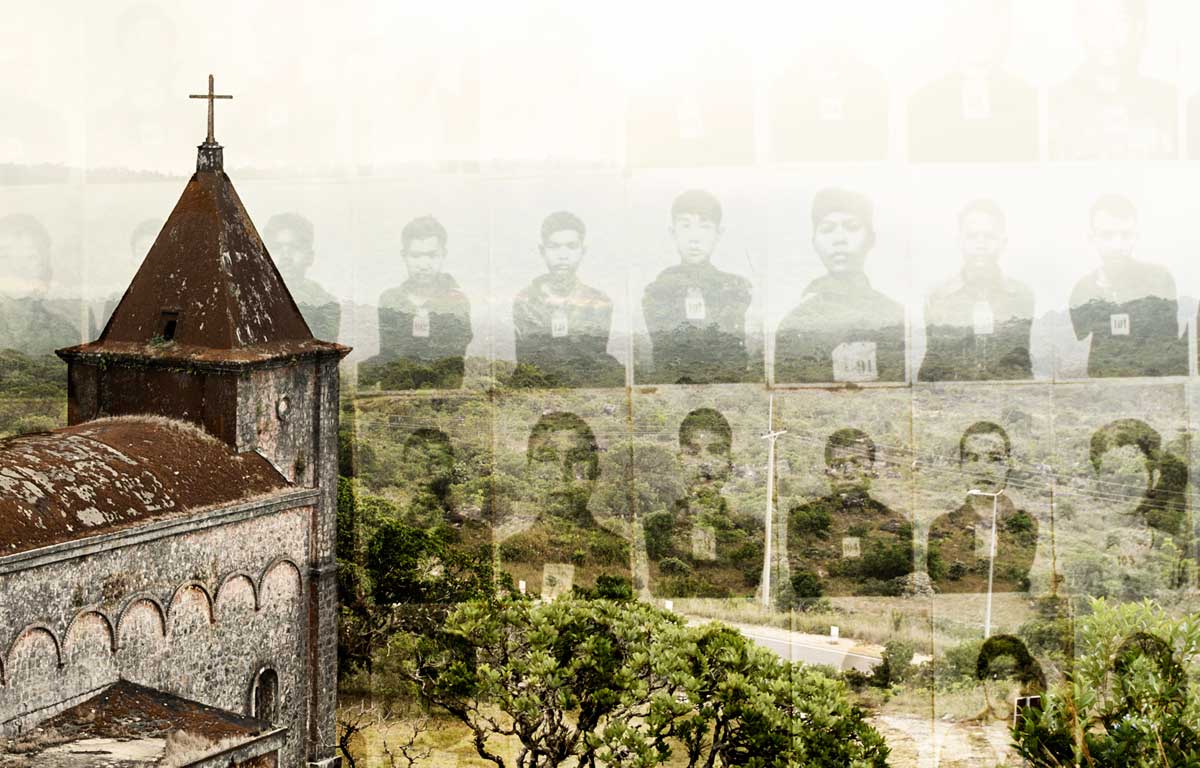
Remembering Angka & the Idolatry of the Khmer Rouge 40 Years Later by Les Sillars

28.6—Nov/Dec 2015
on the Deepest Longings of the Restless & the Lonely by William Graddy
calling all readers
Please Donate
"There are magazines worth reading but few worth saving . . . Touchstone is just such a magazine."
—Alice von Hildebrand
"Here we do not concede one square millimeter of territory to falsehood, folly, contemporary sentimentality, or fashion. We speak the truth, and let God be our judge. . . . Touchstone is the one committedly Christian conservative journal."
—Anthony Esolen, Touchstone senior editor
