





The Lost Art of Mercy
Then shall the righteous answer him, saying, “Lord, when saw we thee hungry, and fed thee? Or thirsty, and gave thee drink? When saw we thee a stranger, and took thee in? Or naked, and clothed thee? Or when saw we thee sick, or in prison, and came unto thee?” And the King shall answer and say unto them, “Verily I say unto you, inasmuch as ye have done it unto one of the least of these my brethren, ye have done it unto me.”
—Matthew 25:37–40
James famously wrote that faith without works is dead. Apart from introducing soteriological difficulties for some future theologians, he was making the case that the Christian must express his faith through acts of mercy, like feeding the poor and caring for the widows and orphans. All who take the name of Christ agree with this—for how could we argue against the idea of clothing the naked and feeding the hungry when James’s kin admonished us to do the same when he said, “Inasmuch as you have done this unto one of the least of these my brethren, you have done it unto me”?
Peter Chrysologus was a fifth-century bishop who was famous for his sermons (“Chrysologus” was his nickname and means “The Golden Orator”). Like James, he taught that acts of mercy are critical to the Christian life, just as prayer and fasting are.
There are three things, brethren, three, through which faith stands firm, devotion abides, and virtue endures: prayer, fasting, and mercy. What prayer knocks for upon the door, fasting successfully begs and mercy receives. Prayer, fasting, and mercy: these three are a unit. They give life to one another. For fasting is the soul of prayer; and mercy is the life of fasting.
THIS ARTICLE ONLY AVAILABLE TO SUBSCRIBERS.
FOR QUICK ACCESS:
Thomas S. Buchanan is the George W. Laird Professor of Mechanical Engineering and Biomedical Engineering at the University of Delaware. He has studied at UCSD, Northwestern University, and MIT, and has held visiting professorships at the University of Western Australia and the University of Aix-Marseille. He has served as department chairman, deputy dean, and institute director, president of the American Society of Biomechanics, and editor-in-chief of the Journal of Applied Biomechanics. He is on the Board of Trustees of Saint Katherine College, the editorial board of Touchstone, and the board of The Fellowship of St. James.
A Journal of Mere Christianity—Delivered to Your Door
- Essays on theology, culture, and the Church
- Contributors from across the Christian traditions

Six print issues (one year) of Touchstone, plus full online access and PDF downloads for only $39.95.

Get a one-year full-access subscription to the Touchstone online archives for only $19.95.
bulk subscriptions
Order Touchstone subscriptions in bulk and save $10 per sub! Each subscription includes 6 issues of Touchstone plus full online access to touchstonemag.com—including archives, videos, and pdf downloads of recent issues for only $29.95 each! Great for churches or study groups.
Transactions will be processed on a secure server.
more from the online archives
20.7—September 2007
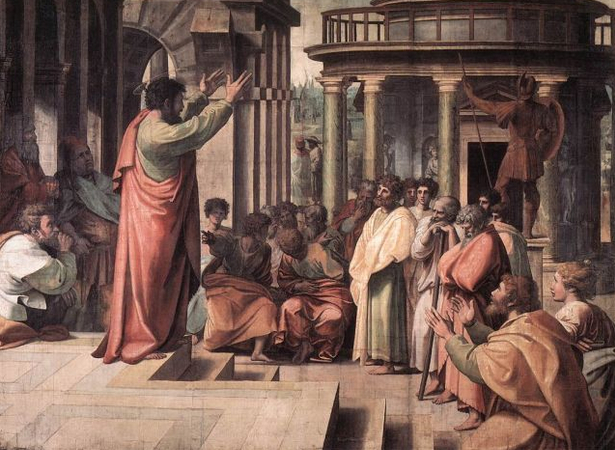
Paul Didn’t Build Bridges to Popular Culture by Russell D. Moore
37.5—Sept/Oct 2024
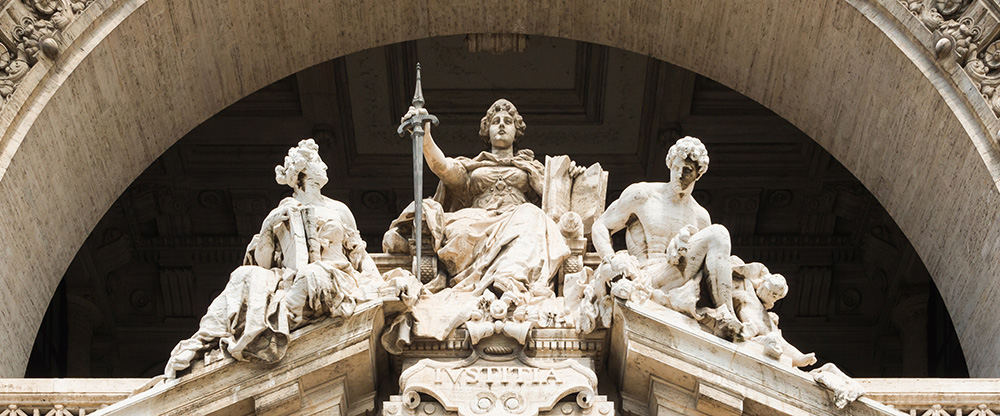
An Abandoned Ruling Principle & How to Get It Back by Adam MacLeod
calling all readers
Please Donate
"There are magazines worth reading but few worth saving . . . Touchstone is just such a magazine."
—Alice von Hildebrand
"Here we do not concede one square millimeter of territory to falsehood, folly, contemporary sentimentality, or fashion. We speak the truth, and let God be our judge. . . . Touchstone is the one committedly Christian conservative journal."
—Anthony Esolen, Touchstone senior editor
