




The Cosmic Cemetery
O death, where is thy sting? O grave, where is thy victory? The sting of death is sin; and the strength of sin is the law. But thanks be to God, which giveth us the victory through our Lord Jesus Christ.
—1 Corinthians 15:55–57
Ours has been called the Culture of Death, largely because we have embraced the killing of innocents as a national right instead of as an ungodly wrong. However, there is a conspiracy of silence about death itself that permeates our society in many ways we rarely consider. Though a commonplace occurrence, death is something we keep hidden or masked. For example, funeral parlors are made to look like houses; comfortable places that don’t stand out. We put makeup on our dead to make them look lifelike because we do not wish to be reminded that they are dead. We try our best to ignore death, to pretend it doesn’t exist. But death is the reason Christ came.
He came to conquer death, to trample it down so that it will not separate us from God. That is the horror of death—separation from God—and that is what the victory of the cross is all about.
Christianity does not, should not, teach that death is a liberation from an evil world. Nor is it a punishment for our sins. To quote Alexander Schmemann:
Christianity is not a reconciliation with death. It is the revelation of death, and it reveals death because it is the revelation of Life. Christ is this Life. And only if Christ is Life is death what Christianity proclaims it to be, namely the enemy to be destroyed, not a mystery to be explained. (from For the Life of the World)
How often do we hear the words of John 3:16: “For God so loved the world that he gave his only begotten son . . .”? This world, this cosmos that God so loved, is what we should be sanctifying for God’s use. The world is not an evil place, but we have turned it into what Schmemann called a “cosmic cemetery,” where death is quietly accepted and normalized:
To accept God’s world as a cosmic cemetery which is to be abolished and replaced by an “other world” which looks like a cemetery (“eternal rest”) and to call this religion, to live in a cosmic cemetery and to “dispose” every day of thousands of corpses and to get excited about a “just society” and to be happy!—this is the fall of man.
Many people mistakenly think the purpose of Christianity is to prepare us to die by reassuring us that death isn’t a bad thing. This is not Christianity, for Christians believe that death is a bad thing, an abnormal state. There are plenty of religions and ideologies that prepare people for death by pretending that it is a good thing, sometimes even better than life. Some religions console their adherents by making strange and wonderful promises of great things to those who die, regardless of how they have lived, and twisted minds like Dr. Kevorkian comfort people by telling them that death is actually preferable to life on earth with its pains and sorrows—an easy escape. But these are not Christian teachings.
On the other hand, popular culture gives us images of heaven as a place filled with dead people who amble about in choir robes wearing the empty grins of the lobotomized. One would almost expect to see entrance signs proclaiming, “Welcome to Heaven—the Most Boring Place on Earth.”
But this is not Christian teaching, either. Eternal life with God is not boring, nor is it something that begins after we die. We can live with God now, spend time worshiping with the angels now, and contemplate the divine mysteries now, if we do not consider this world to be a cosmic cemetery.
Thomas S. Buchanan is the George W. Laird Professor of Mechanical Engineering and Biomedical Engineering at the University of Delaware. He has studied at UCSD, Northwestern University, and MIT, and has held visiting professorships at the University of Western Australia and the University of Aix-Marseille. He has served as department chairman, deputy dean, and institute director, president of the American Society of Biomechanics, and editor-in-chief of the Journal of Applied Biomechanics. He is on the Board of Trustees of Saint Katherine College, the editorial board of Touchstone, and the board of The Fellowship of St. James.
A Journal of Mere Christianity—Delivered to Your Door
- Essays on theology, culture, and the Church
- Contributors from across the Christian traditions

Six print issues (one year) of Touchstone, plus full online access and PDF downloads for only $39.95.

Get a one-year full-access subscription to the Touchstone online archives for only $19.95.
bulk subscriptions
Order Touchstone subscriptions in bulk and save $10 per sub! Each subscription includes 6 issues of Touchstone plus full online access to touchstonemag.com—including archives, videos, and pdf downloads of recent issues for only $29.95 each! Great for churches or study groups.
Transactions will be processed on a secure server.
more from the online archives
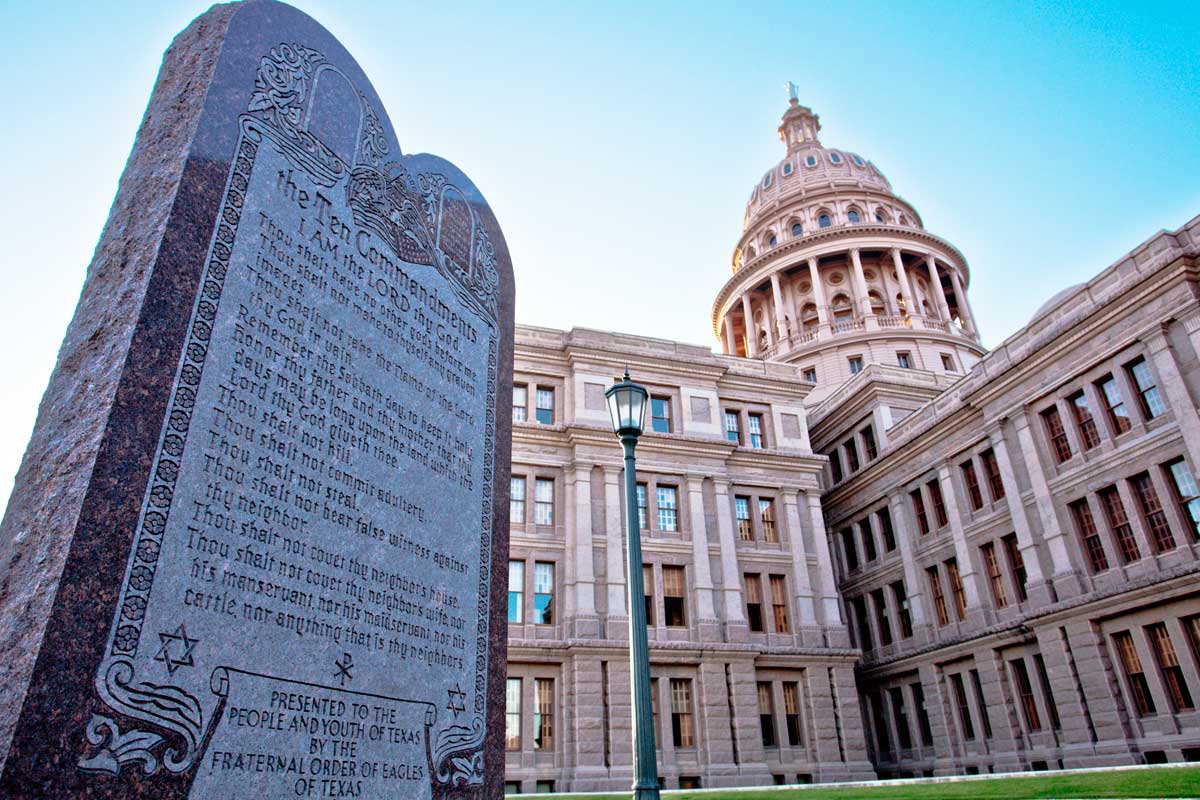
31.5—September/October 2018
The Secular State Without the Decalogue by James M. Kushiner
29.1—Jan/Feb 2016
on Marriage, Moral Corruption & the Christian Duty of Witness by Regis Nicoll
32.6—November/December 2019
An Open Letter to Christian Readers of Jordan Peterson & Roger Scruton by James Bryson
calling all readers
Please Donate
"There are magazines worth reading but few worth saving . . . Touchstone is just such a magazine."
—Alice von Hildebrand
"Here we do not concede one square millimeter of territory to falsehood, folly, contemporary sentimentality, or fashion. We speak the truth, and let God be our judge. . . . Touchstone is the one committedly Christian conservative journal."
—Anthony Esolen, Touchstone senior editor
