





Missal Defense
The Vatican Issues Rules on Liturgical Translations
by Helen Hull Hitchcock
In a remarkably forceful and far-reaching document, the Holy See issued an “Instruction” presenting the principles to be followed in translation of the Liturgy of the Catholic Church into vernacular languages. The 35-page instruction, titled Liturgiam Authenticam (Authentic Liturgy), was made public on May 7, although Pope John Paul II had already ordered that it come into effect on April 25, 2001.
THIS ARTICLE ONLY AVAILABLE TO SUBSCRIBERS.
FOR QUICK ACCESS:
A Journal of Mere Christianity—Delivered to Your Door
- Essays on theology, culture, and the Church
- Contributors from across the Christian traditions

Six print issues (one year) of Touchstone, plus full online access and PDF downloads for only $39.95.

Get a one-year full-access subscription to the Touchstone online archives for only $19.95.
bulk subscriptions
Order Touchstone subscriptions in bulk and save $10 per sub! Each subscription includes 6 issues of Touchstone plus full online access to touchstonemag.com—including archives, videos, and pdf downloads of recent issues for only $29.95 each! Great for churches or study groups.
Transactions will be processed on a secure server.
more from the online archives

24.1—January/February 2011
Marriage Thrives in Reality, Not in Our Dreams by Nathan Schlueter
31.5—September/October 2018
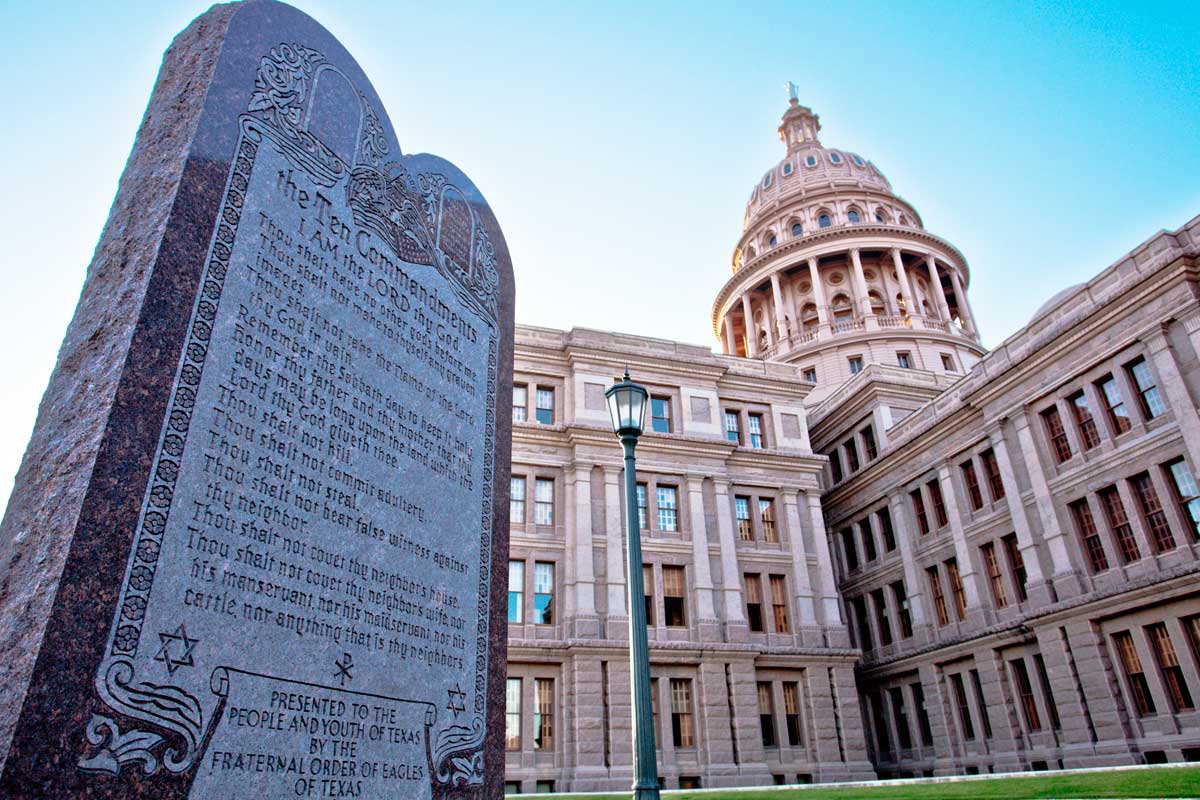
The Secular State Without the Decalogue by James M. Kushiner

33.2—March/April 2020
Lewis, Chesterton, et al. Against the Frauds, Experts & Revisionists by Vigen Guroian
calling all readers
Please Donate
"There are magazines worth reading but few worth saving . . . Touchstone is just such a magazine."
—Alice von Hildebrand
"Here we do not concede one square millimeter of territory to falsehood, folly, contemporary sentimentality, or fashion. We speak the truth, and let God be our judge. . . . Touchstone is the one committedly Christian conservative journal."
—Anthony Esolen, Touchstone senior editor
