




A Treasure from Scribes Old, Not New
The Orthodox Study Bible: New Testament and Psalms
Nashville: Thomas Nelson Publishers, 1993.
(1,053 pages: $25.00, cloth)
reviewed by Peter Toon
This project was directed by Fr. Peter E. Gillquist, who worked for Thomas Nelson as a senior editor some years ago before he joined the Antiochian Orthodox Church. His own pilgrimage is told in Becoming Orthodox (revised edition, 1992). The introductory chapters and the notes for this study Bible were prepared at the St. Athanasius Orthodox Academy in Santa Barbara, California, before being looked over by a committee of some twenty-four Orthodox bishops, priests, and laity.
There is no doubt that Fr. Gillquist wanted to produce something which could truly be called “Orthodox”—i.e., a study Bible which genuinely conveys and reflects the way the Bible has been and is intended to be read within Orthodoxy. Has he succeeded? The answer is both yes and no.
A Success? Yes . . .
In terms of book publishing, this book is a success. It is a delight to hold and to read. The Orthodox tradition is well served by the quality of the production and the expertise of the contributors.
Further, it is certainly good to have a study Bible which is not married to the post-Enlightenment, Western approach to the study of the Bible, found in academia (be it liberal Protestant, Roman Catholic, or Evangelical). For the editors of this Bible, Matthew and John wrote the Gospels bearing their name, and Jesus actually said what the Gospels record him as having said! It is as though form criticism and redaction criticism had never been invented, that Q never existed, and that Kant and Schleiermacher had never been born!
Then, also, in this Bible, we move from the corporate to the personal, from the Body of Christ to its members, and from the teaching of the Church to the exercise of private judgment—and not vice versa. This is a most welcome change. The Holy Scriptures are viewed here not only as a collection of authoritative, inspired books (the typically Western Protestant approach), but also as an authoritative collection (canon) of inspired books. We learn that it is the Church which collected and which has preserved the canon, and it is the Church which sets the context for the reading and interpretation of the Bible. Thus the use by the Church in her liturgy of particular readings is often indicated in the notes, within the text of the Bible, and by the photographs of icons; further, the lectionary for the church year is printed in full as an appendix. And one gets the sense that the first (but not the only) place to hear and read the Bible is in corporate worship—the Divine Liturgy.
Most people who use this study Bible will certainly get the impression, I believe, that they are being helped by scholars who have the highest regard both for the sacred text and for the Church which sets the principles for the reading and right interpretation of the text. Further (and, in these days when pantheism and monism are so prevalent), they will sense that they are being pointed to the God and Father of our Lord Jesus Christ as the One to whom all worship and service is to be offered in the power of the Holy Spirit.
A Success? . . . No
It is clear that for the Orthodox Church there is one Bible (one canon), and in this one canon are the two Testaments and the Apocrypha. To call anything less than the whole Bible “the Bible” is not to do justice to holy Tradition! Of course the editors are aware of this, and they have essays on “How to read the Bible” and on “Interpreting the Scriptures,” which presuppose the whole Bible. However, I think that it is probably the case that they have sufficiently imbibed the post-Enlightenment development of the separation of the disciplines of theology and accepted the practice of modern biblical scholarship (which speaks of “Two Testaments making one Bible” rather than “One Bible with two Testaments”) not to have been aware of the importance of teaching and emphasizing “the unity of the one Bible” much more than they have done.
A Journal of Mere Christianity—Delivered to Your Door
- Essays on theology, culture, and the Church
- Contributors from across the Christian traditions

Six print issues (one year) of Touchstone, plus full online access and PDF downloads for only $39.95.

Get a one-year full-access subscription to the Touchstone online archives for only $19.95.
bulk subscriptions
Order Touchstone subscriptions in bulk and save $10 per sub! Each subscription includes 6 issues of Touchstone plus full online access to touchstonemag.com—including archives, videos, and pdf downloads of recent issues for only $29.95 each! Great for churches or study groups.
Transactions will be processed on a secure server.
more on bible from the online archives
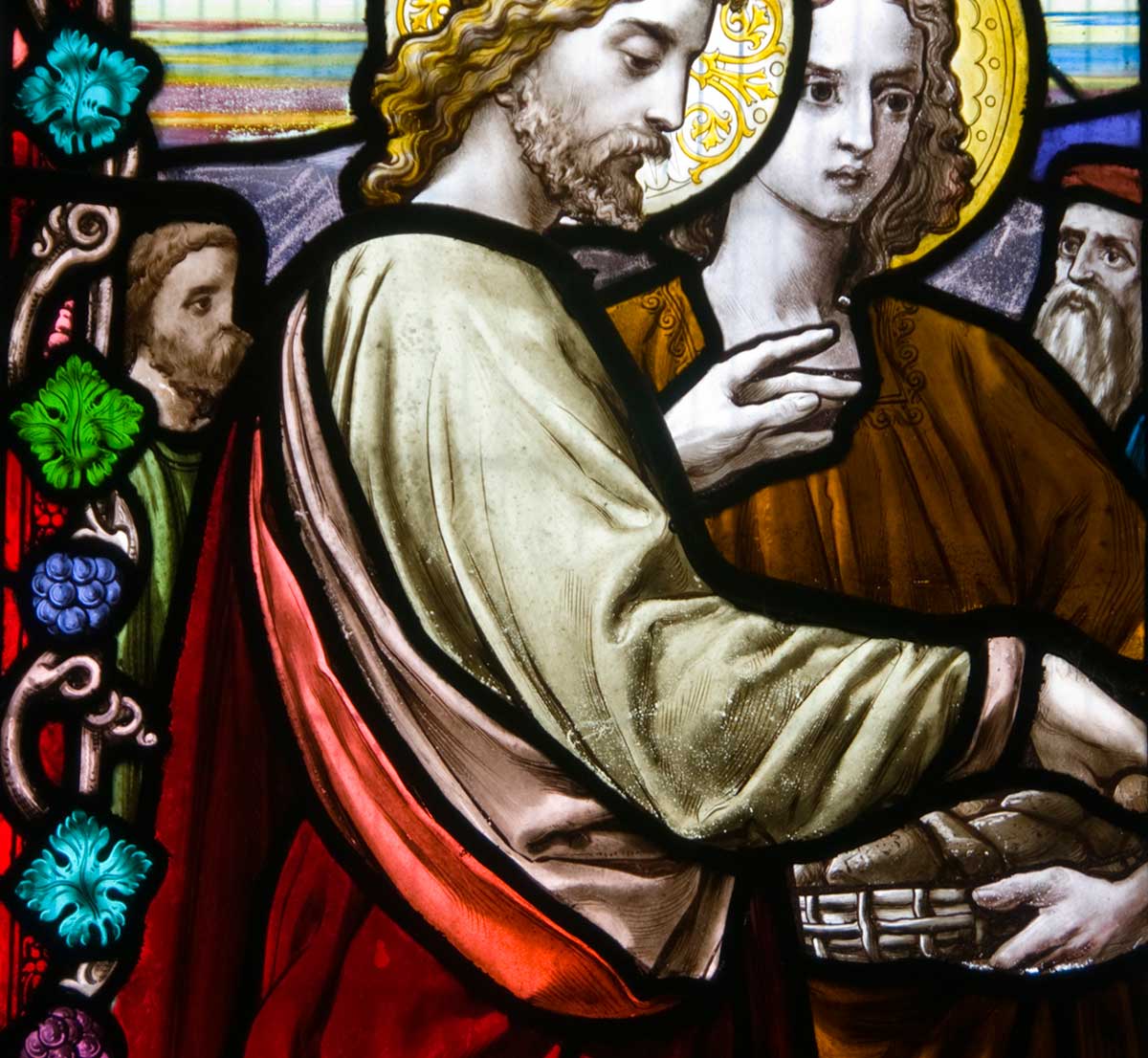
32.2—March/April 2019
on Preserving Physical & Spiritual Nourishment by Nathanael Devlin
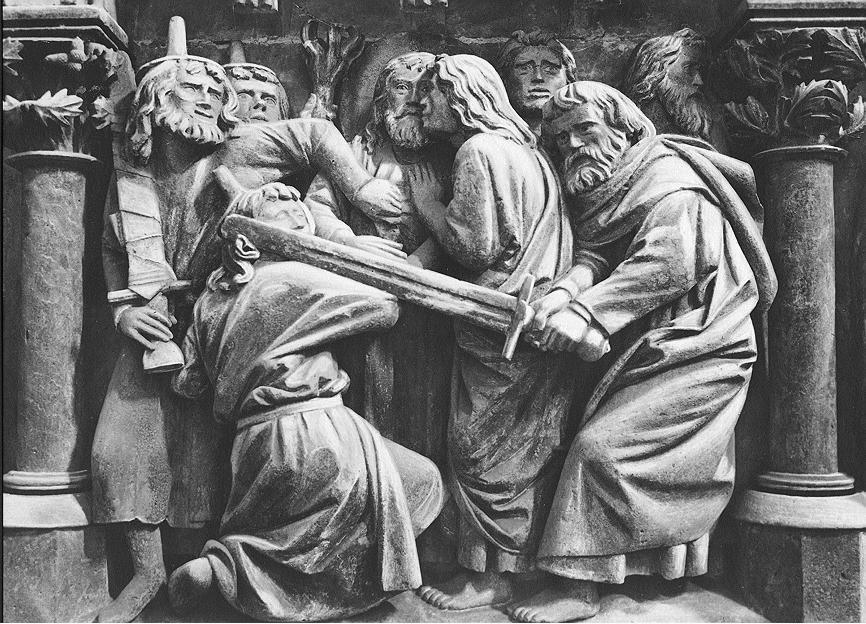

31.4—July/August 2018
on the Brevity & Theology of Her Recorded Words by Judith Anderson
more from the online archives

25.6—Nov/Dec 2012
The Loss of Aristotelian Logic & the Social, Moral & Sexual Consequences by Peter Kreeft

31.4—July/August 2018
Life & Love Are Real Despite Theatrical Illusions by Anthony Esolen
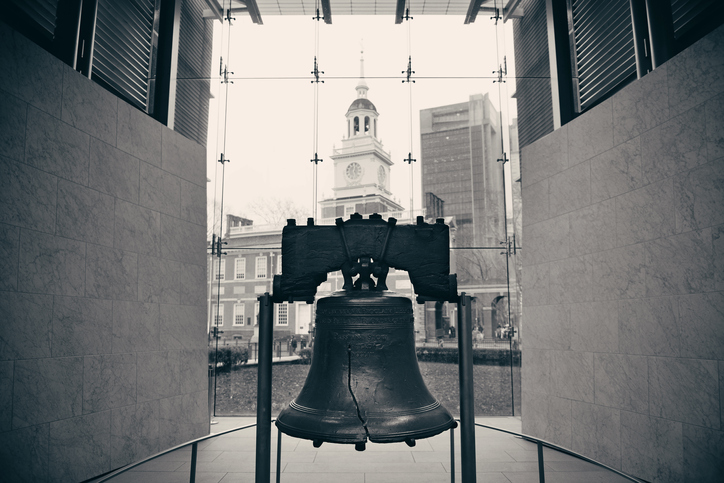
25.3—May/Jun 2012
Calls for Freedom, Democracy & Secularism End Up with None of the Above by Hunter Baker
calling all readers
Please Donate
"There are magazines worth reading but few worth saving . . . Touchstone is just such a magazine."
—Alice von Hildebrand
"Here we do not concede one square millimeter of territory to falsehood, folly, contemporary sentimentality, or fashion. We speak the truth, and let God be our judge. . . . Touchstone is the one committedly Christian conservative journal."
—Anthony Esolen, Touchstone senior editor
