




The Paradox of Freedom
by Thomas S. Buchanan
Freedom is the name of virtue; Slavery, of vice. . . . None is a slave whose acts are free.
—Epictetus
For today’s Christian or anyone seeking to live a moral life, our modern society can be a discouraging place. Over the past seventy or so years, we have witnessed the development of a mentality which now pervades our society and which, I believe, threatens the moral and intellectual underpinnings of our civilization. Yet, the threat itself is well disguised. It comes wrapped in a value very near and dear to the heart of most of us. More accurately, it is a perversion of an ideal to which we all subscribe. Quite simply, the problem lies in our modern understanding, or rather, misunderstanding of freedom.
A Value to be Reconsidered
Speaking as an American, I can say that the very word freedom conjures up images and associations which touch an especially deep chord. The words of our Declaration of Independence come to mind:
We hold these Truths to be self-evident, that all Men are created equal, that they are endowed by their Creator with certain unalienable Rights, that among these are Life, Liberty, and the Pursuit of Happiness.
Moving words! whatever is meant by “life, liberty, and the pursuit of happiness.” (That last phrase in particular has caused great trouble and confusion by seeming to endorse a pursuit of personal pleasures, which neither Jefferson nor the founding fathers ever envisioned.) Then, too, our Bill of Rights comes to mind, with the specific liberties which it guarantees: the freedom of religion, freedom of speech, etc. I can picture these freedoms illustrated in a well-known series of Norman Rockwell paintings. And so the chain of emotional associations leads from one thing to another. I mention this merely to underscore the fact that our country has always prided itself on being “the land of the free.” From the time we were children we were taught that our understanding and experience of freedom was what made our country great and us a special people. Small wonder then that a whole jumble of emotionally freighted associations have come to enshrine our notions of freedom. Freedom, especially personal freedom, has become for us an unquestioned good. It stands in a semisacred category. But no matter how deeply such things are felt, there is no substitute for clear thinking on the matter. In fact, the more vital a subject is to us, the more important it is to think clearly about it. And I believe that it is just such a lack of clear thinking which has led the Western world on a ruinous course.
Consider how we have used and abused our freedom. Consider the lifestyles we have freely chosen. It is manifestly clear that our freedom has led us into many difficulties. We are living in the “Me Generation”: self-centered, shallow, entertainment-oriented. (Here again is our modern notion of the pursuit of happiness as pleasure.) We see blatant sexual promiscuity, acceptance of homosexuality as a legitimate “alternative lifestyle,” a soaring divorce rate (with many couples not bothering to marry at all), and single-parent families becoming the norm in many communities. This comes to us wrapped in slogans such as “free to be me” or having the freedom to “find myself.” It used to be called “doing my own thing.” The simple fact is that we do not want hassle. We want to live for ourselves. We want to be free: “free” to co-habit with whomever we desire, “free” to destroy the inconvenient child in its mother’s womb, “free” to divorce and remarry as often as we choose, “free” to chase after whatever might bring pleasure. In other words, we want to be free from commitments, free from guilt, and free from a God of absolute moral standards.
From the orthodox Christian point of view, something has gone very wrong indeed. But, if freedom is virtually an unqualified good, where did we miss the way? or how could we have prevented some of the less desirable developments of our free society? I would begin by questioning the sacred cow itself—whether in fact freedom is always good. It is time that we consider more carefully the nature of freedom.
The Civil Limits of Freedom
In actual point of fact, few, if any, would seriously argue for unlimited freedom, with no limits or constraints on the individual. We all realize that in an ordered society no man is entirely free to do as he pleases. Lines are drawn circumscribing the legitimate scope of personal freedom. An obvious example is the case of murder. Taking the life of a fellow human, unless in self-defense or in a time of war, is deemed a crime. If one takes it upon himself to commit such an act, society will forcibly deprive him of his own freedom through incarceration or execution. Whatever we may think of such punishments, we all would agree that some form of constraint is proper—no one has a right to murder. We cannot allow it. The same could be said for other acts against our fellowman such as assault or robbery. We would all agree that men are not, by right, free to do such things.
Thomas S. Buchanan is the George W. Laird Professor of Mechanical Engineering and Biomedical Engineering at the University of Delaware. He has studied at UCSD, Northwestern University, and MIT, and has held visiting professorships at the University of Western Australia and the University of Aix-Marseille. He has served as department chairman, deputy dean, and institute director, president of the American Society of Biomechanics, and editor-in-chief of the Journal of Applied Biomechanics. He is on the Board of Trustees of Saint Katherine College, the editorial board of Touchstone, and the board of The Fellowship of St. James.
A Journal of Mere Christianity—Delivered to Your Door
- Essays on theology, culture, and the Church
- Contributors from across the Christian traditions

Six print issues (one year) of Touchstone, plus full online access and PDF downloads for only $39.95.

Get a one-year full-access subscription to the Touchstone online archives for only $19.95.
bulk subscriptions
Order Touchstone subscriptions in bulk and save $10 per sub! Each subscription includes 6 issues of Touchstone plus full online access to touchstonemag.com—including archives, videos, and pdf downloads of recent issues for only $29.95 each! Great for churches or study groups.
Transactions will be processed on a secure server.
more on culture from the online archives
34.1—January/February 2021
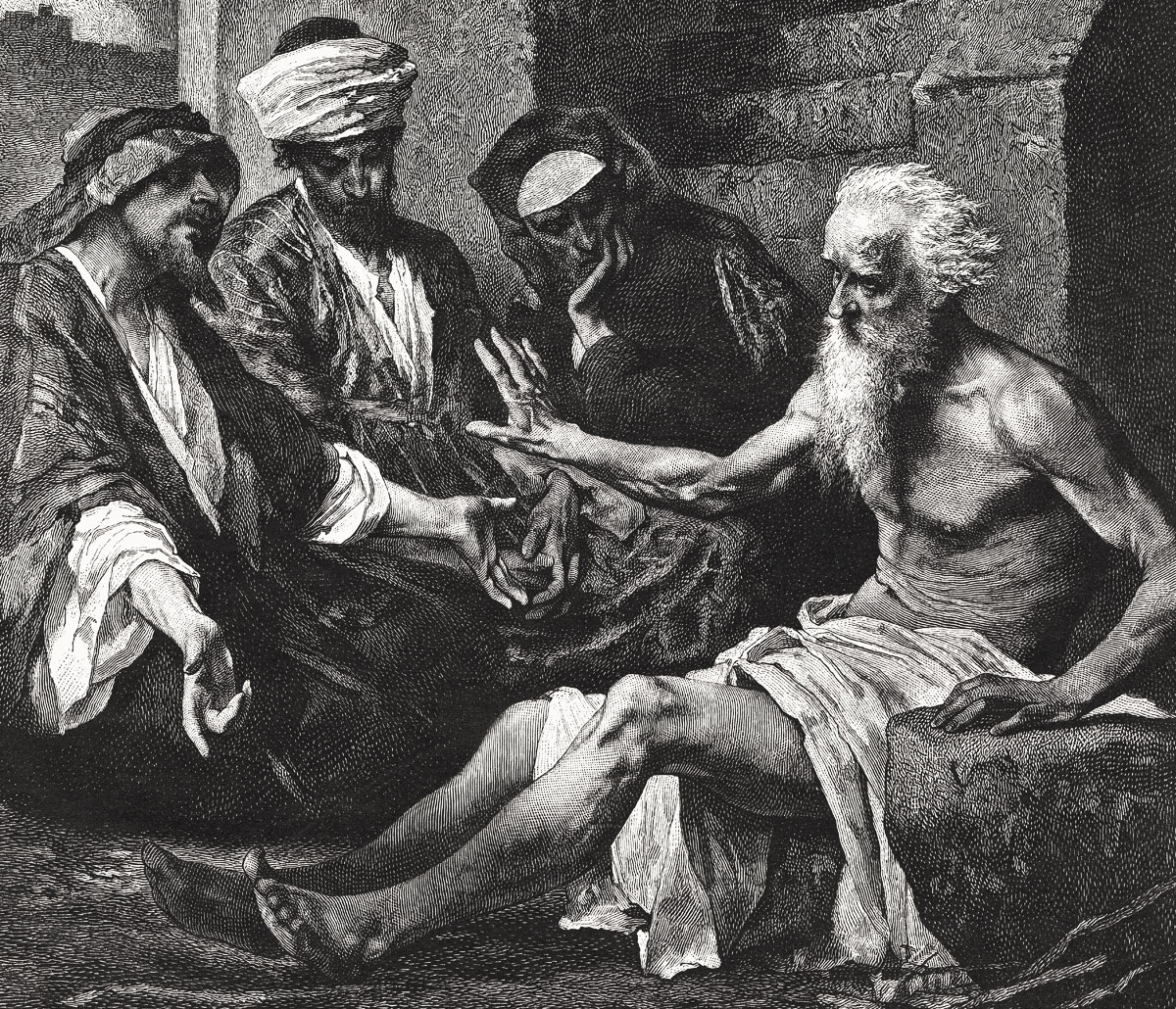
What the World Needs Now It Hardly Knows by Anthony Esolen

31.6—November/December 2018
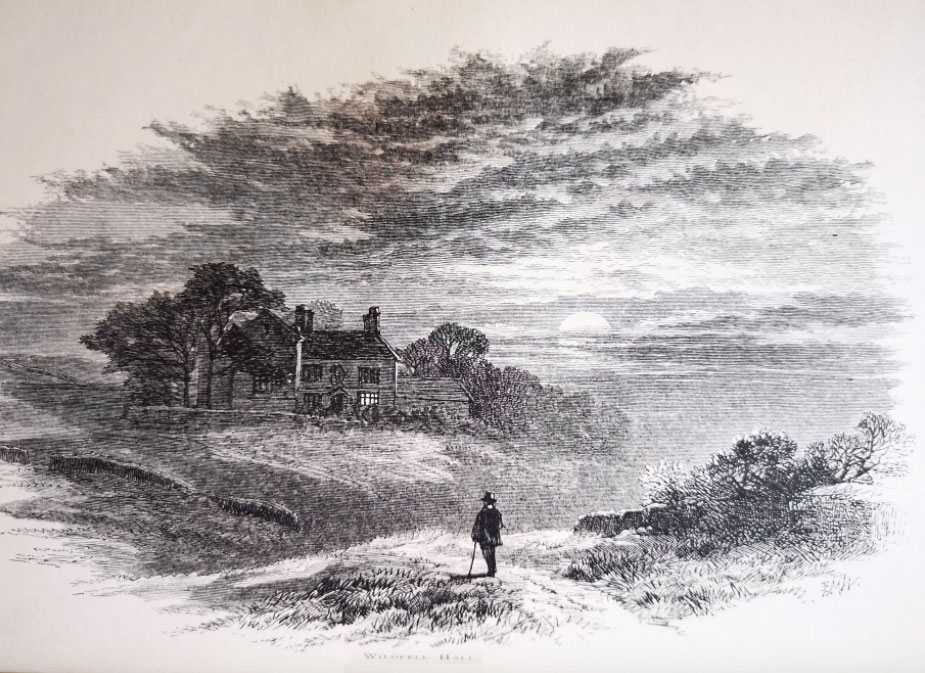
Victimhood Culture Scapegoats Its Very Source by Michael P. Foley
more from the online archives
30.2—March/April 2017
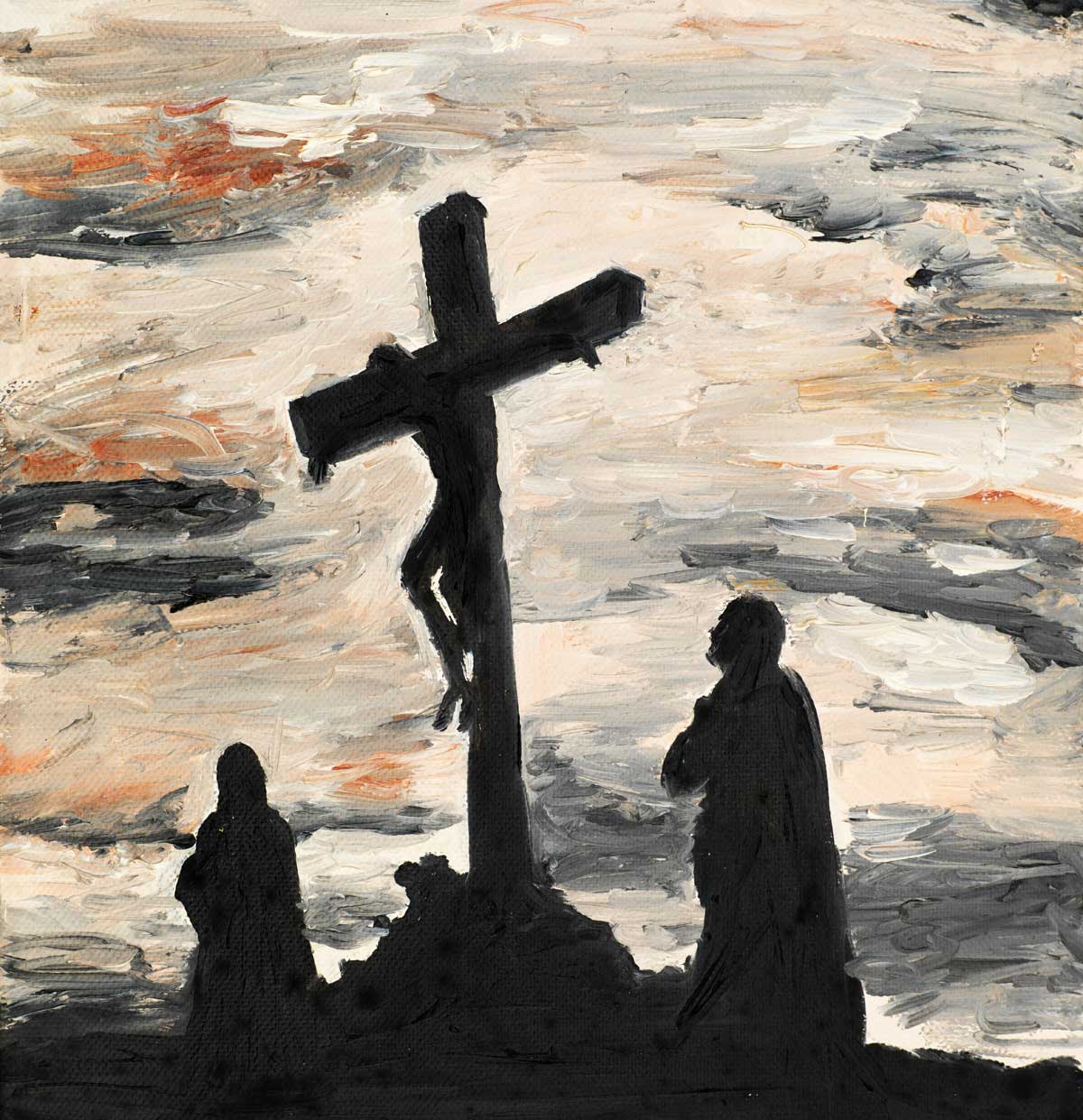
Our Path to Holiness Runs Straight Through Calvary by Robin Phillips
31.6—November/December 2018
The Slow Vindication of Leon Podles by S. M. Hutchens
32.2—March/April 2019
Misguided Mercy & Dante's Infernal Purgation by Joshua Hren
calling all readers
Please Donate
"There are magazines worth reading but few worth saving . . . Touchstone is just such a magazine."
—Alice von Hildebrand
"Here we do not concede one square millimeter of territory to falsehood, folly, contemporary sentimentality, or fashion. We speak the truth, and let God be our judge. . . . Touchstone is the one committedly Christian conservative journal."
—Anthony Esolen, Touchstone senior editor
