





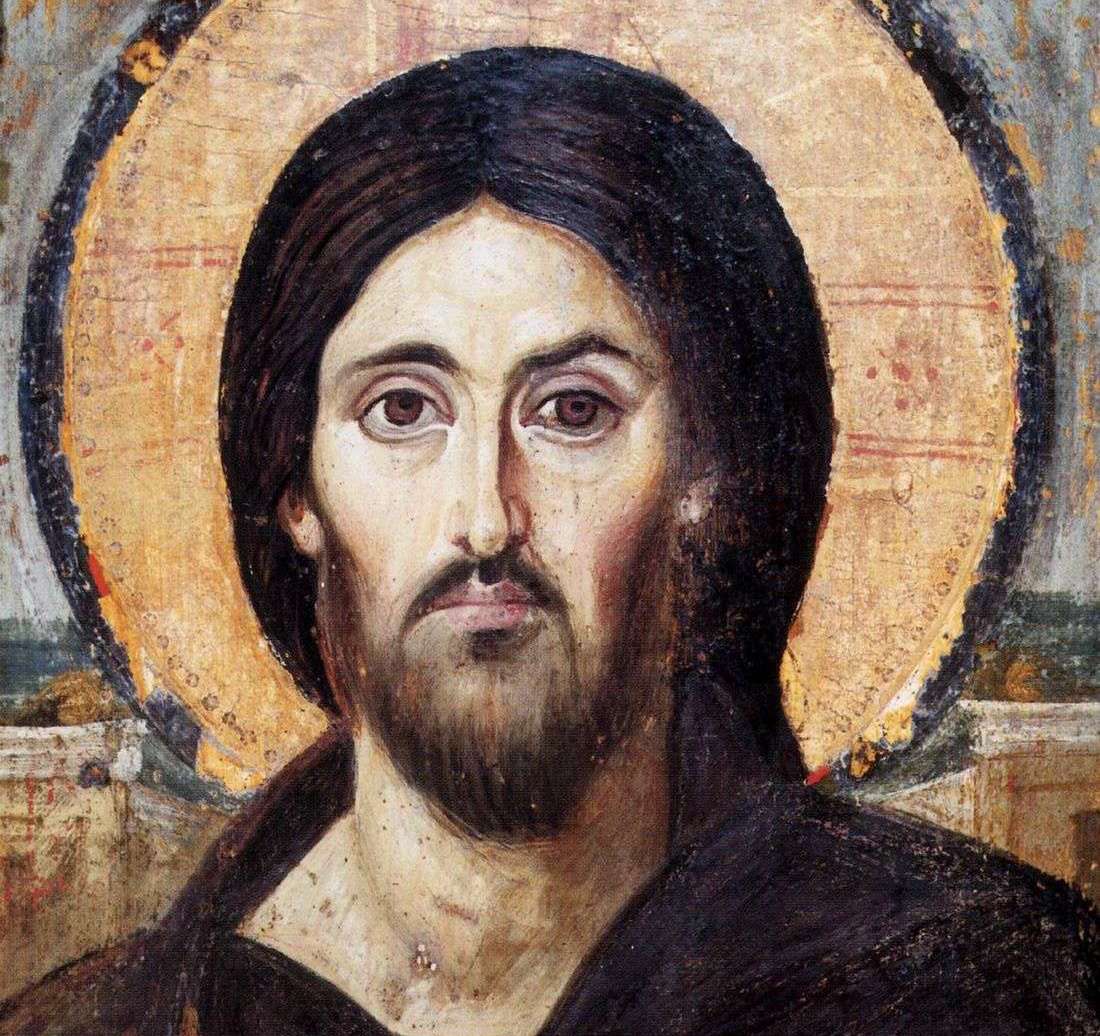
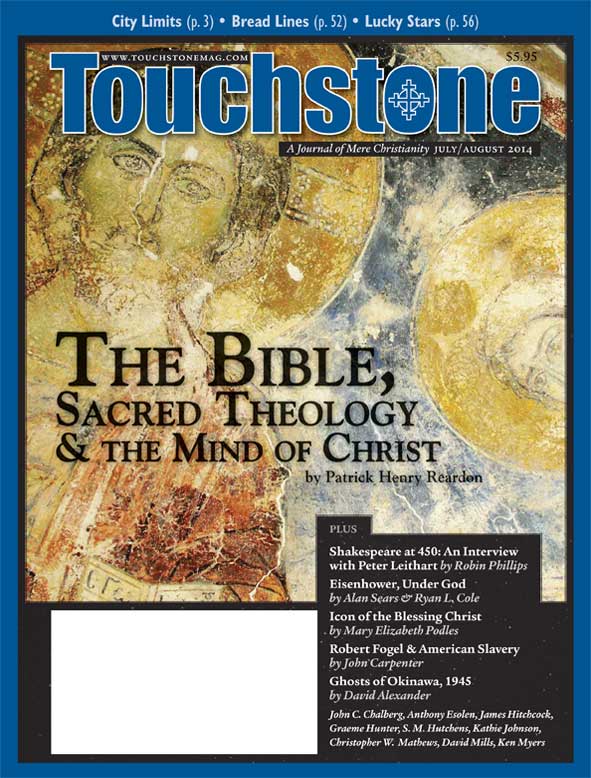
The Blessing Christ
This image is one of the earliest surviving icons of Jesus. Kept since the sixth century at the Monastery of St. Catherine at Mt. Sinai in Egypt, it escaped the destruction of the iconoclasts and, protected by overpainting and the dry desert air, has remained almost undamaged to this day.
This large icon (about 33 x 18 inches in size) shows Christ in half-length, not in a narrative context but posed frontally and directing a steady gaze outward. Behind him hangs a wall covering known as the cloth of honor. His right hand is raised in blessing: three of the fingers touch to represent the presence of the Trinity; the other two are raised, and denote the two natures of the Savior, with the forefinger, bent and partially masked by the middle finger, standing traditionally for the Incarnation. In his left hand Christ holds a jeweled book: the cross and the four groups of pearls suggest it is a Gospel book, but in any case it is, as he is, the Word of God.
This painting was unknown to the world for centuries, until the St. Catherine icons were first studied in the 1950s; a cleaning in 1962 stripped away the disfiguring overpaint and revealed its extraordinary beauty. It is now Sinai's best-known icon.
THIS ARTICLE ONLY AVAILABLE TO SUBSCRIBERS.
FOR QUICK ACCESS:
Mary Elizabeth Podles is the retired curator of Renaissance and Baroque art at the Walters Art Museum in Baltimore, Maryland. She is the author of A Thousand Words: Reflections on Art and Christianity (St. James Press, 2023). She and her husband Leon, a Touchstone senior editor, have six children and live in Baltimore, Maryland. She is a contributing editor for Touchstone.
A Journal of Mere Christianity—Delivered to Your Door
- Essays on theology, culture, and the Church
- Contributors from across the Christian traditions

Six print issues (one year) of Touchstone, plus full online access and PDF downloads for only $39.95.

Get a one-year full-access subscription to the Touchstone online archives for only $19.95.
bulk subscriptions
Order Touchstone subscriptions in bulk and save $10 per sub! Each subscription includes 6 issues of Touchstone plus full online access to touchstonemag.com—including archives, videos, and pdf downloads of recent issues for only $29.95 each! Great for churches or study groups.
Transactions will be processed on a secure server.
more on art from the online archives
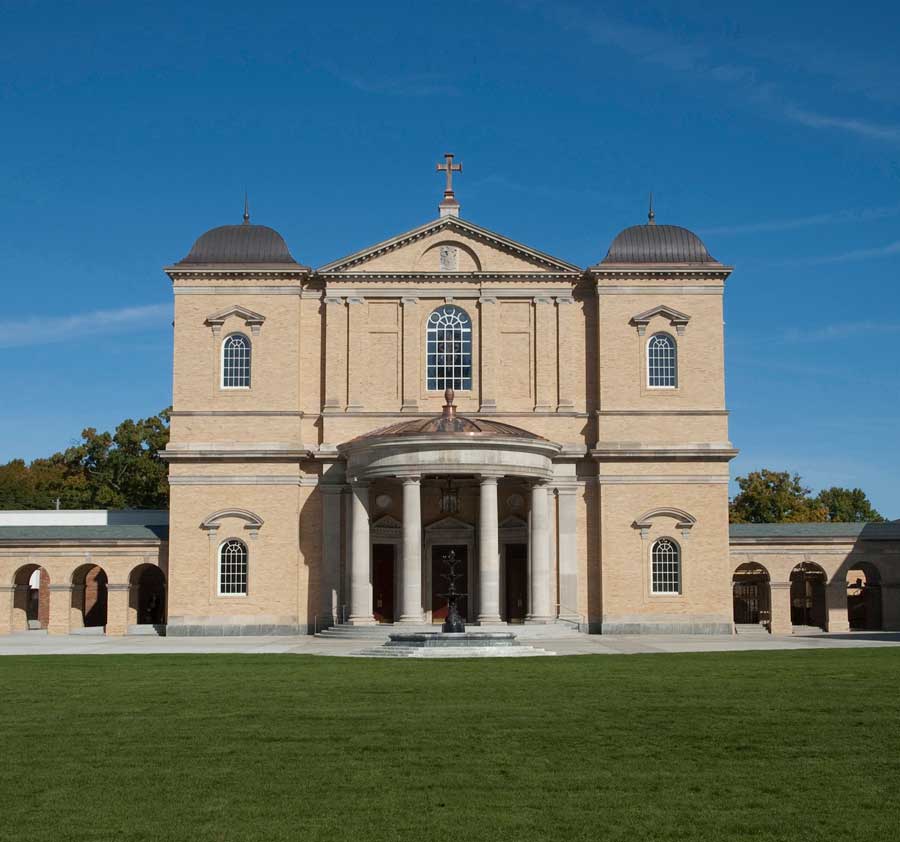
33.2—March/April 2020
An Architectural Sign of Mere Christianity by Michael Ward
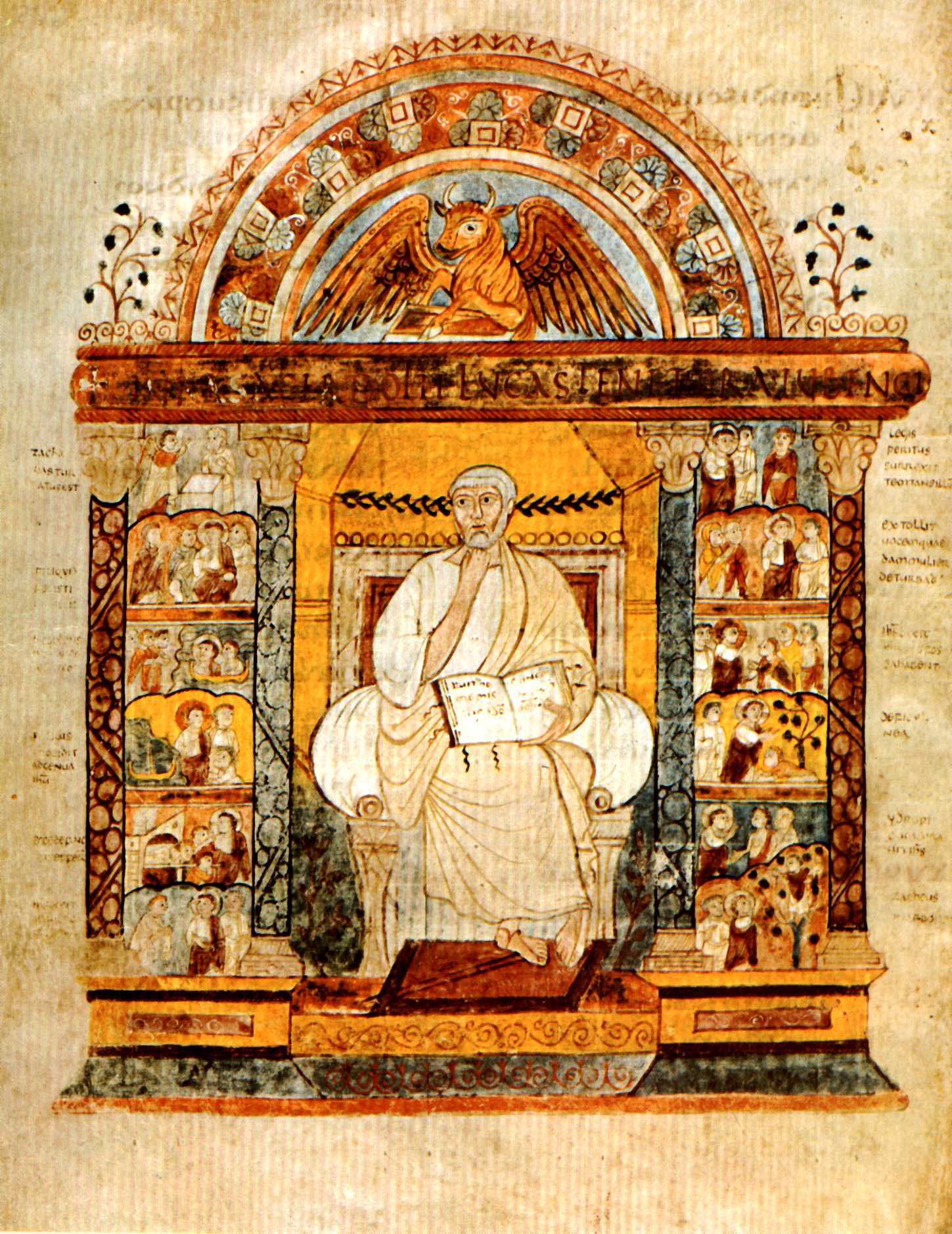
32.4—July/August 2019
on Single-Mindedness in Durer's Ritter, Tod, und Teufel by Anthony Costello
more from the online archives

33.4—July/August 2020
on Boethius's Consolation in a Time of Plague by Thomas Albert Howard

34.1—January/February 2021
Live Not by Lies: A Manual for Christian Dissidents by Rod Dreher by Hans Boersma
calling all readers
Please Donate
"There are magazines worth reading but few worth saving . . . Touchstone is just such a magazine."
—Alice von Hildebrand
"Here we do not concede one square millimeter of territory to falsehood, folly, contemporary sentimentality, or fashion. We speak the truth, and let God be our judge. . . . Touchstone is the one committedly Christian conservative journal."
—Anthony Esolen, Touchstone senior editor
