





A Better Selection
Alfred Russel Wallace’s Theory Of Intelligent Evolution
by Michael Flannery
Erasmus Press, 2009
(240 pages, $27.95, paperback)
reviewed by Denyse O’Leary
Having followed the intelligent design controversy for a decade, I have noticed a recent key change. This year, being the 150th anniversary of the publication of On the Origin of Species, should have continued Charles Darwin’s century and a half of triumph. Yet his followers’ accolades are greeted with increasing incredulity, among both serious scientists and the general public. For example, serious scientists and thinkers convened last year at Altenberg, Austria, to consider alternatives to Darwin’s theory of evolution, and a recent Zogby poll showed that most people still don’t believe it, after countless years and dollars spent to convince them.
THIS ARTICLE ONLY AVAILABLE TO SUBSCRIBERS.
FOR QUICK ACCESS:
Denyse O'Leary is a columnist for Salvo magazine, and co-author, with Mario Beauregard, of The Spiritual Brain (HarperOne).
A Journal of Mere Christianity—Delivered to Your Door
- Essays on theology, culture, and the Church
- Contributors from across the Christian traditions

Six print issues (one year) of Touchstone, plus full online access and PDF downloads for only $39.95.

Get a one-year full-access subscription to the Touchstone online archives for only $19.95.
bulk subscriptions
Order Touchstone subscriptions in bulk and save $10 per sub! Each subscription includes 6 issues of Touchstone plus full online access to touchstonemag.com—including archives, videos, and pdf downloads of recent issues for only $29.95 each! Great for churches or study groups.
Transactions will be processed on a secure server.
more on evolution from the online archives
23.6—November/December 2010
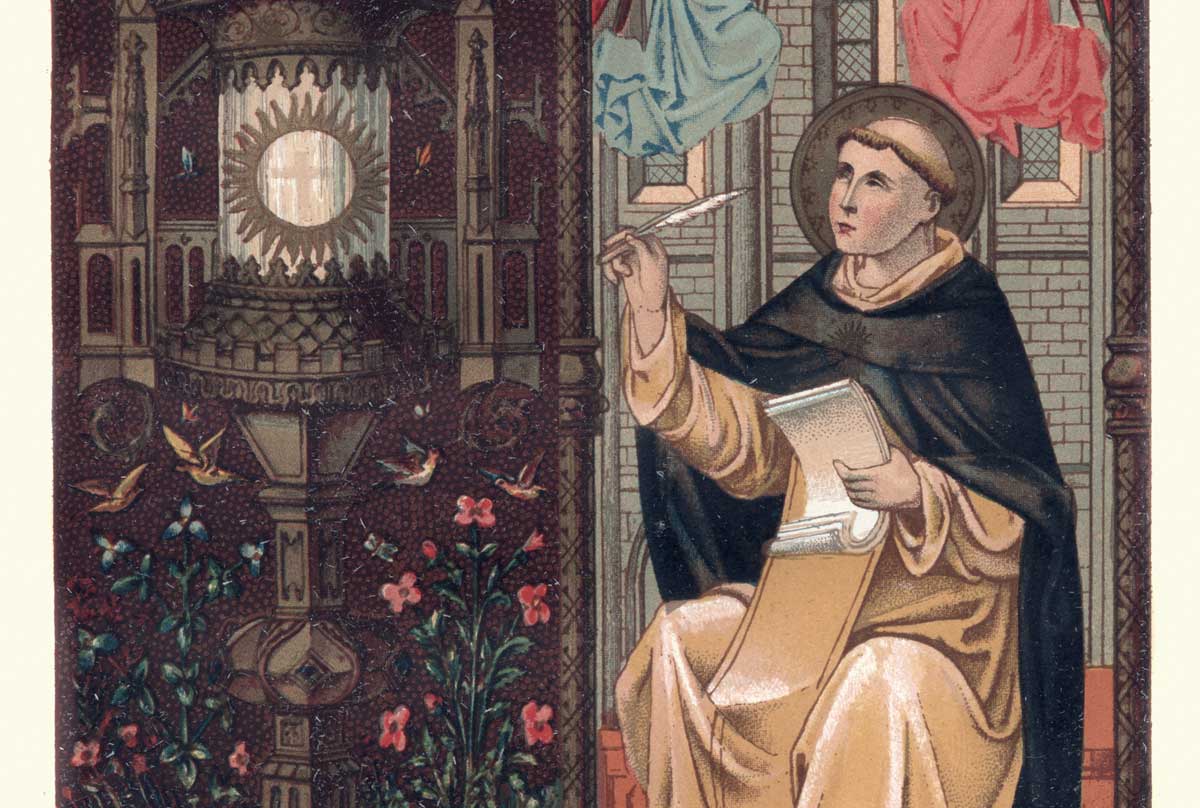
Darwin, Design & Thomas Aquinas
The Mythical Conflict Between Thomism & Intelligent Design by Logan Paul Gage

22.6—July/August 2009
on a Noble Defense Doomed by Darwinian Materialism by John G. West

32.2—March/April 2019
Flight from the Absolute: Cynical Observations on the Postmodern West, Volume II by Paul Gosselin by Louis Markos
more from the online archives

29.5—Sept/Oct 2016
on the Loss of True Community & Rising Political Desperation by Karl D. Stephan
32.6—November/December 2019
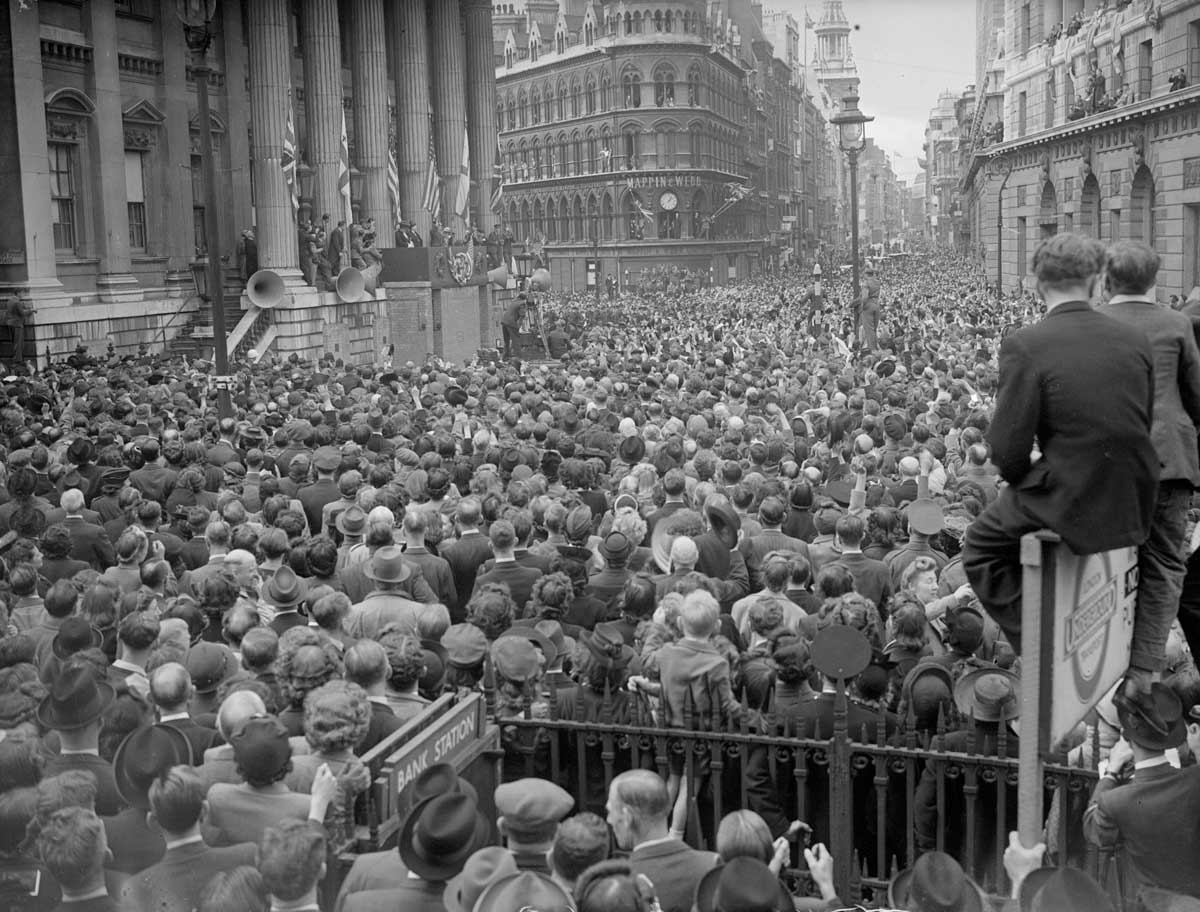
The Year of Our Lord 1943: Christian Humanism in an Age of Crisis by Alan Jacobs by Jesse Russell
22.8—November/December 2009
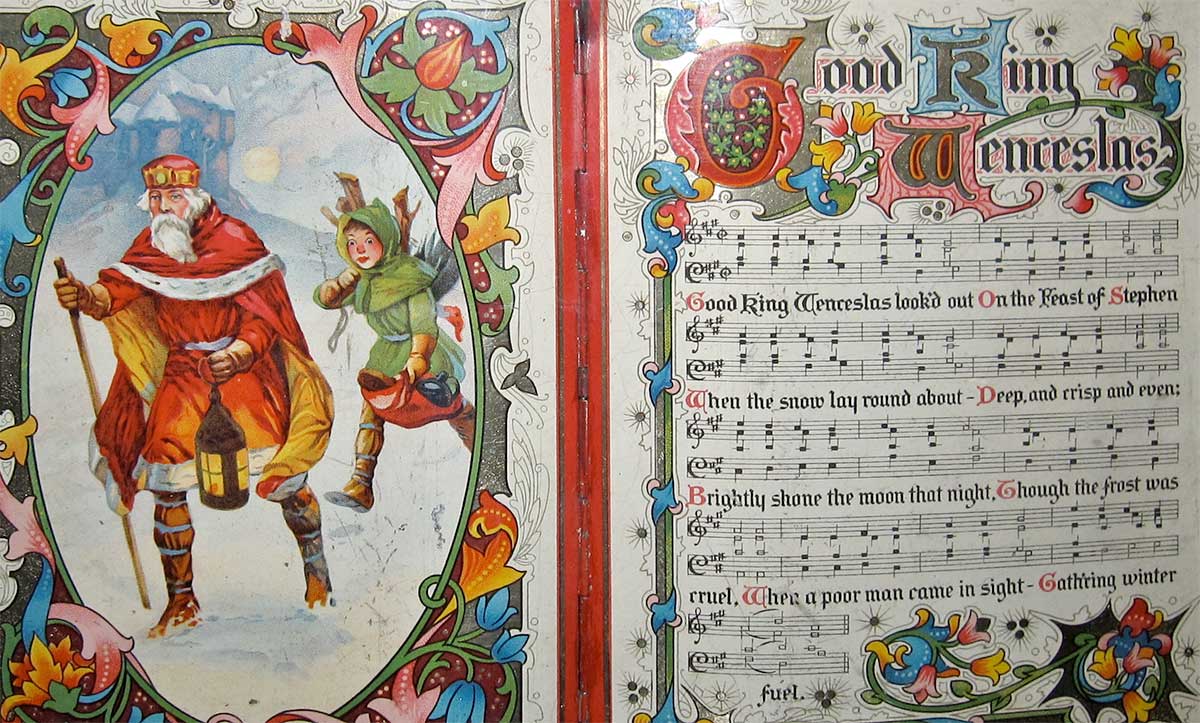
on the Real Men Behind the Christmas Carol by Michael Baum
calling all readers
Please Donate
"There are magazines worth reading but few worth saving . . . Touchstone is just such a magazine."
—Alice von Hildebrand
"Here we do not concede one square millimeter of territory to falsehood, folly, contemporary sentimentality, or fashion. We speak the truth, and let God be our judge. . . . Touchstone is the one committedly Christian conservative journal."
—Anthony Esolen, Touchstone senior editor
