




Samantha Shrugged
Barry Michaels on Thinking About Abortion with Those Who Won’t
I teach eleventh-grade religion at a respected and flourishing Catholic college-prep high school in the state of New York. My students are bright and talented kids, the children of some of the most successful people in this part of the state. Our discussions on morality are a window into the culture that nurtures them at least as much as most of their families do. We recently tackled abortion.
A few students tried to make abortion a feminist issue, but interestingly, only a very few. Most, including the young women, react to the idea of feminism with disdain and jokes, and some girls asserted that women would be expected to be more pro-life than men because they’re the ones with the maternal instincts. Note to NOW: Your message has missed the youth, at least the ones living in the area that gave birth to the American feminist movement.
THIS ARTICLE ONLY AVAILABLE TO SUBSCRIBERS.
FOR QUICK ACCESS:
Barry Michaels teaches religion in a Catholic school in New York and is the author of Eucharist: The Church?s Treasure and At the School of Mary (Pauline Books).
A Journal of Mere Christianity—Delivered to Your Door
- Essays on theology, culture, and the Church
- Contributors from across the Christian traditions

Six print issues (one year) of Touchstone, plus full online access and PDF downloads for only $39.95.

Get a one-year full-access subscription to the Touchstone online archives for only $19.95.
bulk subscriptions
Order Touchstone subscriptions in bulk and save $10 per sub! Each subscription includes 6 issues of Touchstone plus full online access to touchstonemag.com—including archives, videos, and pdf downloads of recent issues for only $29.95 each! Great for churches or study groups.
Transactions will be processed on a secure server.
more on abortion from the online archives
26.1—Jan/Feb 2013
on Abortion as a Matter of National Welfare by W. Ross Blackburn
19.1—January/February 2006
on Death & Seven of the Last Words of Socrates by Graeme Hunter
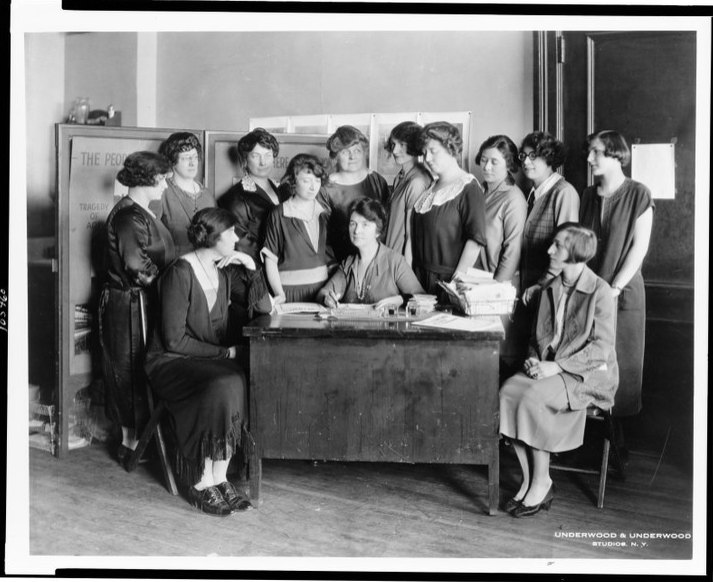
24.1—January/February 2011
How Planned Parenthood's Founder Played the Christians, and Won by Allan C. Carlson
more from the online archives
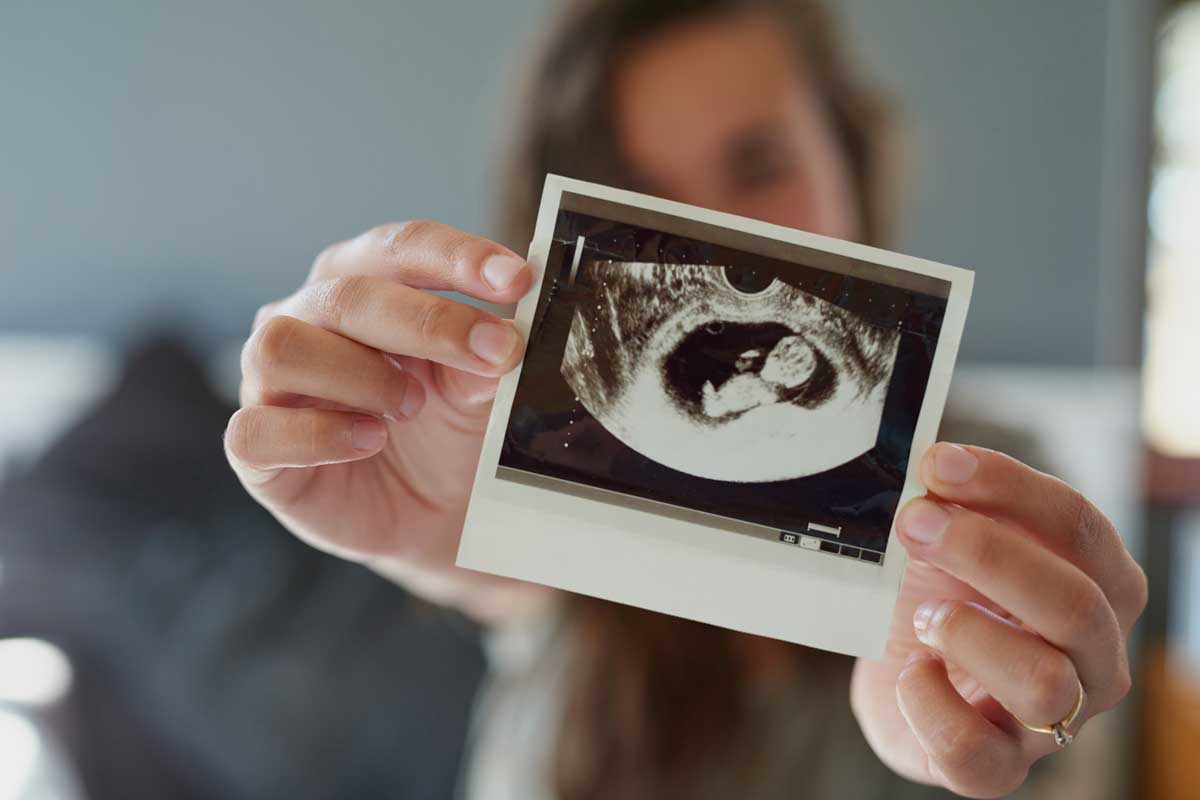
30.3—May/June 2017
on the Misuse of Property Rights to Justify Slavery & Abortion by Robert Hart
23.1—January/February 2010
It’s Bent on Bringing Down the House on the Family & the Church by Douglas Farrow
19.1—January/February 2006
on Death & Seven of the Last Words of Socrates by Graeme Hunter
calling all readers
Please Donate
"There are magazines worth reading but few worth saving . . . Touchstone is just such a magazine."
—Alice von Hildebrand
"Here we do not concede one square millimeter of territory to falsehood, folly, contemporary sentimentality, or fashion. We speak the truth, and let God be our judge. . . . Touchstone is the one committedly Christian conservative journal."
—Anthony Esolen, Touchstone senior editor
