




Empty Spaces of the Word
The six million empty acres of national park, forest, monument, and public land in southern Utah appeal to me when I want to be alone, or at least to be away from the city. My son, his scoutmaster, and I went to Mormon land. After landing in a snowstorm in Salt Lake City, we drove six hours south and ended under clear skies in Boulder, Utah, population 200. Boulder has a country inn done in studied rusticity, with carefully and expensively rusted tin roofs and a hot tub next to a semi-natural wetland. It is a Bobo’s (bourgeois bohemian) paradise.
We came to hike a little into the emptinesses. It had rained in the desert, so we soon discovered the joys of quicksand, in both its frozen and semi-solid state. Our guide tried to get us to remember the sandstone layers by the mnemonic Many Canyon Walls Know No Capitalist Exploitation (let’s see, something, something, Kayenta, something something . . .).
We saw UFO crash sites. One iron formation when eroded looks like carburetors, distributors, lunch boxes, dashboards. No wonder they crashed—who ever heard of making a flying saucer out of iron?—titanium is the last word in saucer models. The petroglyphs clearly displayed non-humans, which must be aliens (what else could they be?).
Love & Madness
The population of the area is smaller than when the Anasazi lived here. They left in the thirteenth century and burned their village when they moved out. Something had happened there that they wanted to obliterate. The Hopi claim to be able to read the petroglyphs but refuse to tell anyone what they mean. They say they are addressed to Hopis, not to white men. We ate lunch in a cave that had dozens of petroglyphs; men have been eating lunch here for 500, 5,000, maybe 12,000 years, and chipping out animal and human and other figures for centuries. The ground is littered with tools and shards left over from arrow-making.
After a day of tramping on the slickrock, we dined at the Hell’s Backbone Grill, named after a local ridge that has a semi-maintained road on it. Geographic place names in the area are not welcoming: Death Canyon, Tarantula Mesa.
Somehow, two nice ladies, Anglo converts to Buddhism, ended up in this Mormon town and operate a five-star restaurant at the edge of nothing. We dined on trout, aged beef, gingerbread, and small-vineyard California wines as we gazed into the darkness, which went on forever. A corner of the restaurant had a shrine to Buddha with offerings of candles and flowers.
Outside, all was beauty and emptiness. The beauty can be loved passionately, but the emptiness can drive men mad. Edward Abbey loved the red rock but expected no burning bush or revelation in a universe devoid of all spirits but our own; he committed suicide. Others have gazed into the emptiness and seen evil: the demons that haunt the wasteland and that tempted Jesus in the desert. Yet the desert is where Moses found God.
The ancients envisioned the inhabited world as a small circle amid the wastes; they had no idea how small the inhabited part of the universe is and how vast the wastes of time and space that surround the little island of light in which humans live. Outside is emptiness and darkness, but the emptiness is not just terrifying, it is beautiful. In those silences the whisper of the Word is heard more clearly than in the din of crowded rooms.
The saints went out into the desert to wrestle with demons but also to find God. Skeptics suspect there is nothing to find, that God is just a phantasm with which we people the emptiness so that it is less frightening. Even an angry God would be better than nothing at all.
“Be still, and know that I am God,” we are commanded as the first step to wisdom. Man weaves his own world around him and forgets that he is not the Creator. The rocks have been shaped for purposes we can only guess at; the generations who walked and hunted and ate and died and became dust and blew away on the wind also have their own purposes, at which we can only guess. Guessing is mostly what we do when we try to understand the universe.
Leon J. Podles holds a Ph.D. in English from the University of Virginia, has worked as a teacher and a federal investigator, and is president of the Crossland Foundation. He is the author of The Church Impotent (Spence), Sacrilege (Crossland Press), and Losing the Good Portion: Why Men Are Alienated from Christianity (St. Augustine Press). Dr. Podles and his wife have six children and live in Baltimore, Maryland. He is a senior editor of Touchstone.
A Journal of Mere Christianity—Delivered to Your Door
- Essays on theology, culture, and the Church
- Contributors from across the Christian traditions

Six print issues (one year) of Touchstone, plus full online access and PDF downloads for only $39.95.

Get a one-year full-access subscription to the Touchstone online archives for only $19.95.
bulk subscriptions
Order Touchstone subscriptions in bulk and save $10 per sub! Each subscription includes 6 issues of Touchstone plus full online access to touchstonemag.com—including archives, videos, and pdf downloads of recent issues for only $29.95 each! Great for churches or study groups.
Transactions will be processed on a secure server.
more from the online archives
29.1—Jan/Feb 2016
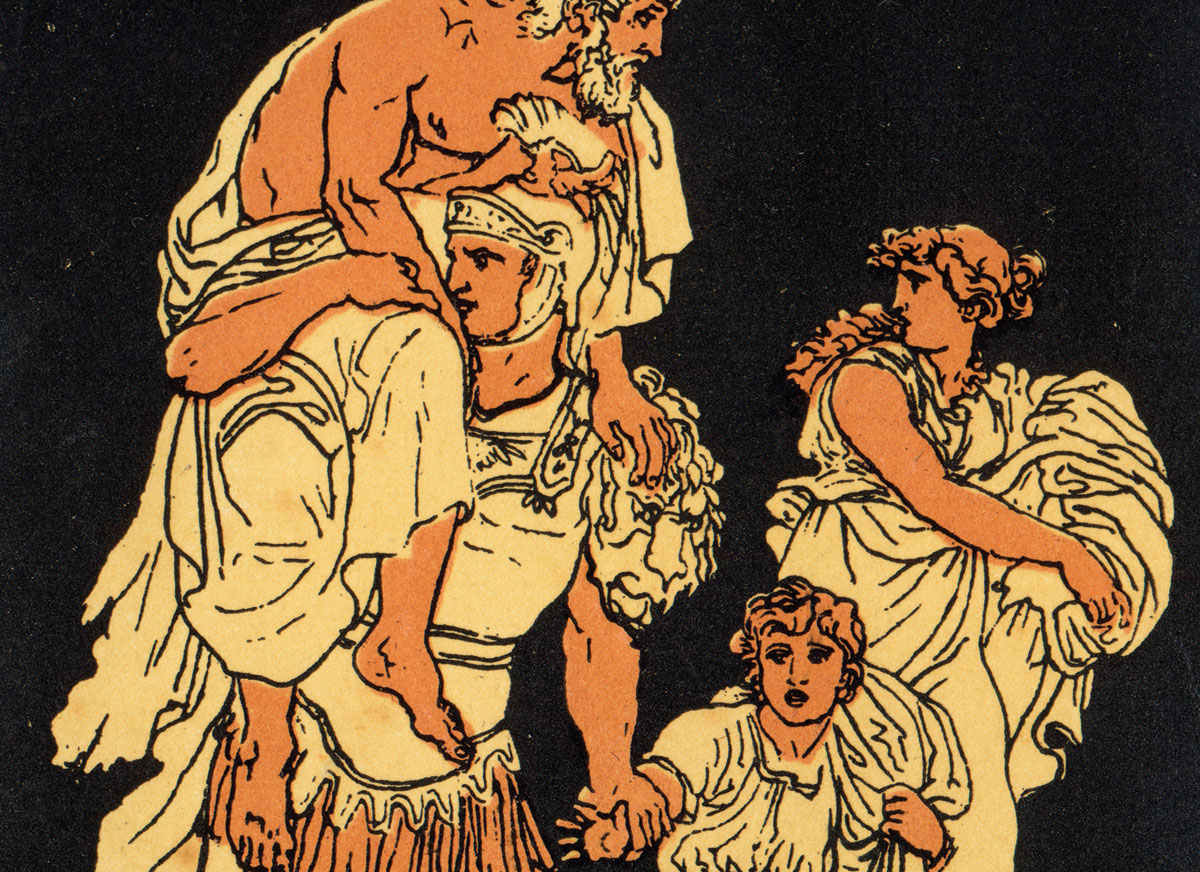
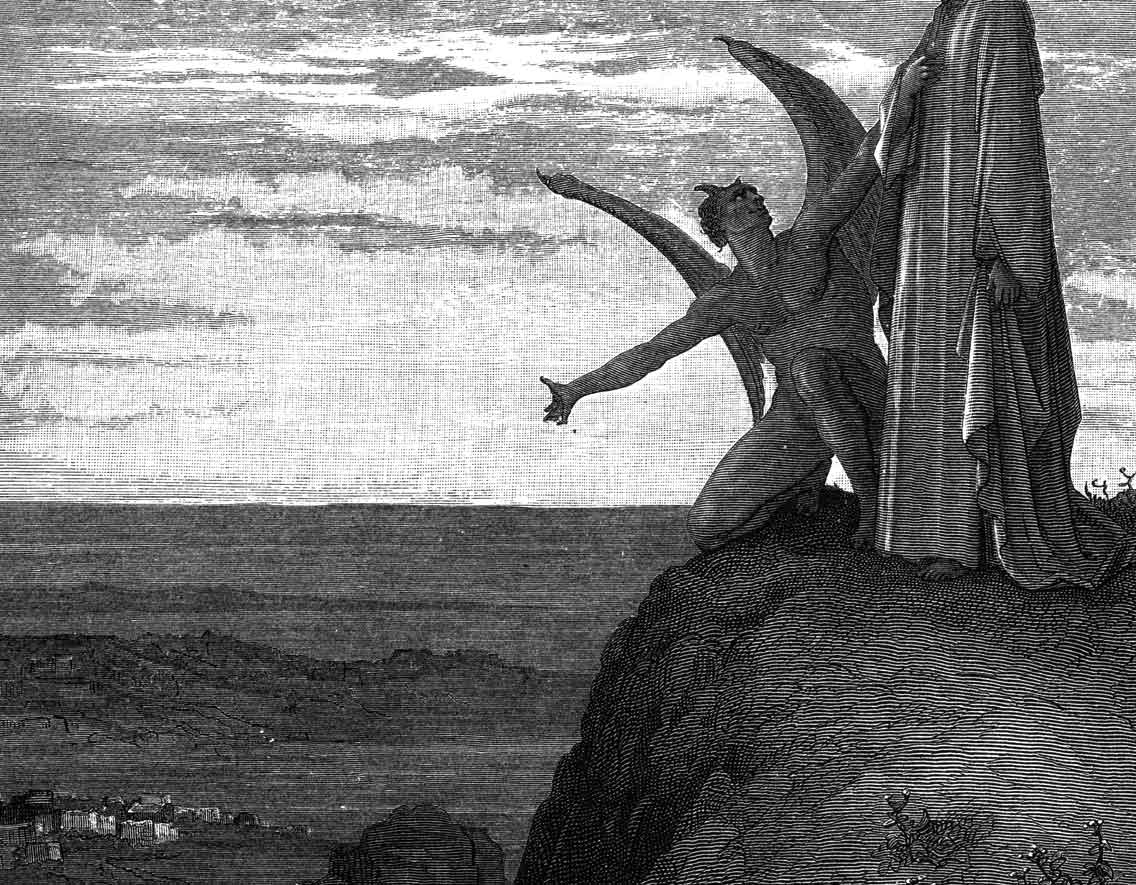
Secular Credibility Is a Devilish Temptation by James Hitchcock
28.3—May/June 2015
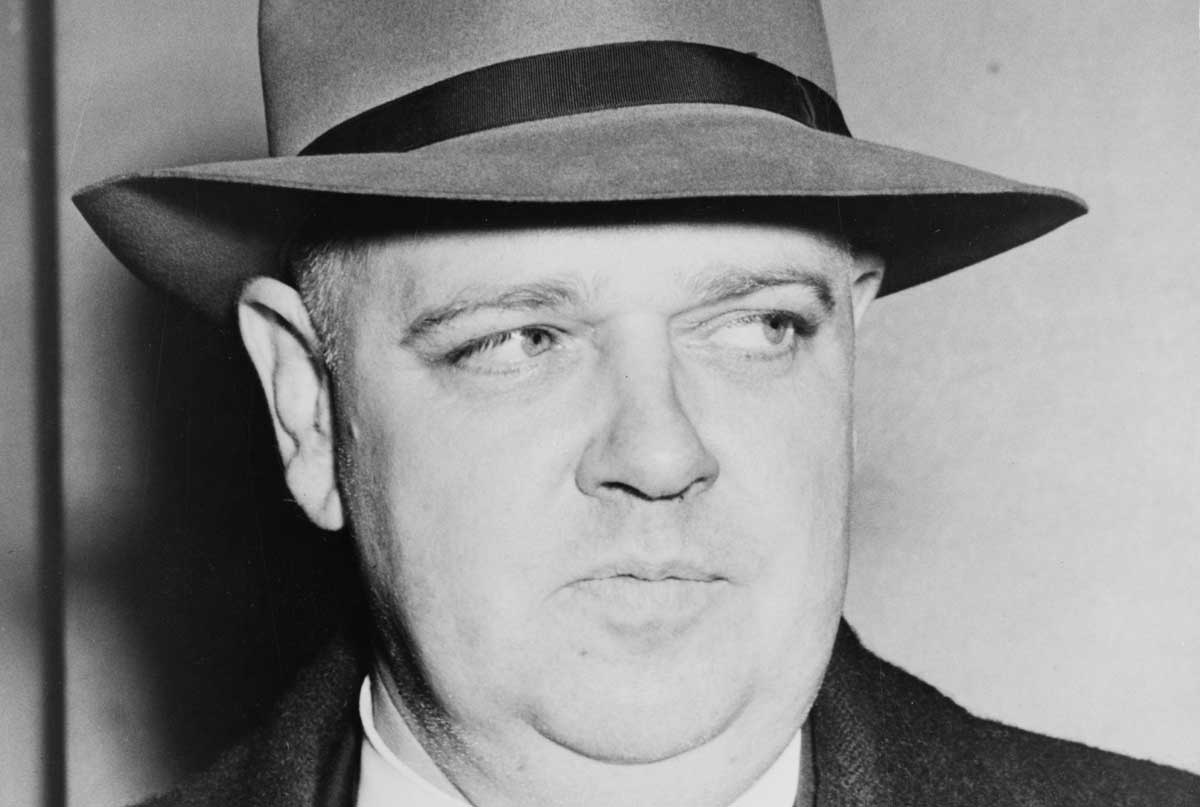
Whittaker Chambers's Lonely War Against Godless Collectivism by Hunter Baker
calling all readers
Please Donate
"There are magazines worth reading but few worth saving . . . Touchstone is just such a magazine."
—Alice von Hildebrand
"Here we do not concede one square millimeter of territory to falsehood, folly, contemporary sentimentality, or fashion. We speak the truth, and let God be our judge. . . . Touchstone is the one committedly Christian conservative journal."
—Anthony Esolen, Touchstone senior editor
