




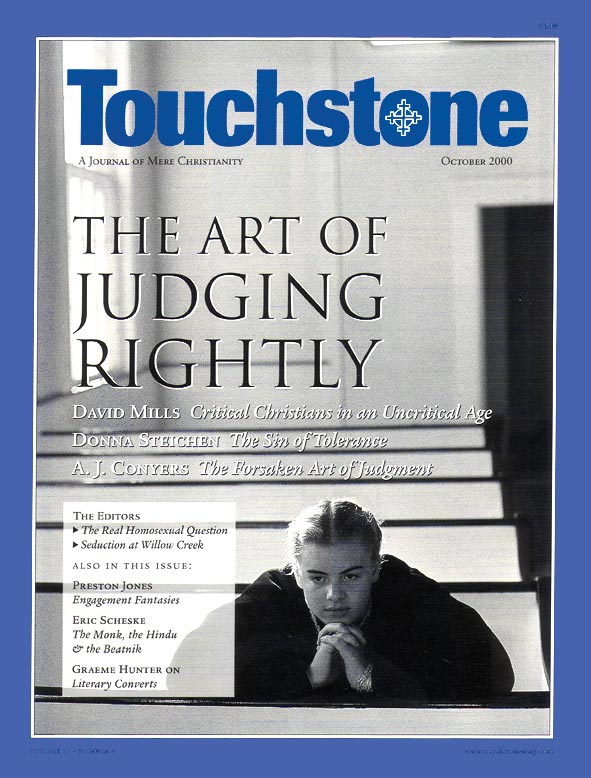
The Sin of Self-Esteem
Let nothing be done through strife or vainglory; but in lowliness of mind let each esteem others better than themselves.
—Philippians 2:3
Before Gregory the Great came up with the list known as the seven deadly sins, John Cassian wrote of the eight vices, the seventh of which is the vice of self-esteem. This is a sin that is no longer considered to be a sin by many. Although narcissism is still considered (by most) to be wrong, this younger brother of self-love is very popular. Modern education theory places a tremendous emphasis on increasing a child’s self-esteem, almost as much as teaching him about the newfound virtue of tolerance. Hence, we are told that we must be careful not to damage a child’s self-esteem by giving him a failing grade, even if it is deserved, because he might come to realize that he is not as good as he thinks he is. For some reason the proponents of such ideas think it is more important to have an inordinately high regard for oneself than a proper one. Self-respect and a proper sense of self-worth are not sins, but holding oneself in high esteem is.
This sin is ubiquitous and difficult to master. In his Institutes Cassian wrote:
THIS ARTICLE ONLY AVAILABLE TO SUBSCRIBERS.
FOR QUICK ACCESS:
Thomas S. Buchanan is the George W. Laird Professor of Mechanical Engineering and Biomedical Engineering at the University of Delaware. He has studied at UCSD, Northwestern University, and MIT, and has held visiting professorships at the University of Western Australia and the University of Aix-Marseille. He has served as department chairman, deputy dean, and institute director, president of the American Society of Biomechanics, and editor-in-chief of the Journal of Applied Biomechanics. He is on the Board of Trustees of Saint Katherine College, the editorial board of Touchstone, and the board of The Fellowship of St. James.
A Journal of Mere Christianity—Delivered to Your Door
- Essays on theology, culture, and the Church
- Contributors from across the Christian traditions
Subscribe (Print + Online) 
Six print issues (one year) of Touchstone, plus full online access and PDF downloads for only $39.95.
Subscribe (Online Only) 
Get a one-year full-access subscription to the Touchstone online archives for only $19.95.
bulk subscriptions
Order Touchstone subscriptions in bulk and save $10 per sub! Each subscription includes 6 issues of Touchstone plus full online access to touchstonemag.com—including archives, videos, and pdf downloads of recent issues for only $29.95 each! Great for churches or study groups.
Transactions will be processed on a secure server.
more from the online archives
29.1—Jan/Feb 2016
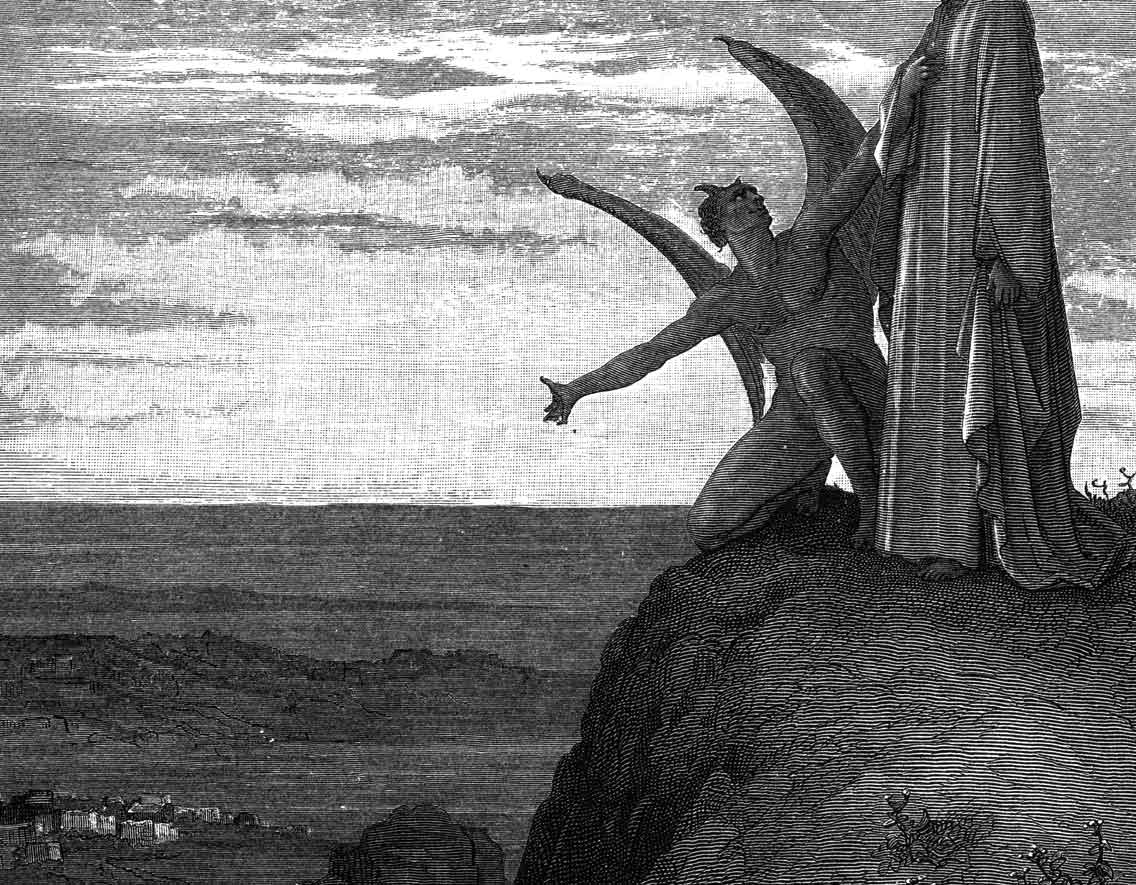
Secular Credibility Is a Devilish Temptation by James Hitchcock

calling all readers
Please Donate
"There are magazines worth reading but few worth saving . . . Touchstone is just such a magazine."
—Alice von Hildebrand"Here we do not concede one square millimeter of territory to falsehood, folly, contemporary sentimentality, or fashion. We speak the truth, and let God be our judge. . . . Touchstone is the one committedly Christian conservative journal."
Support Touchstone
—Anthony Esolen, Touchstone senior editor
