





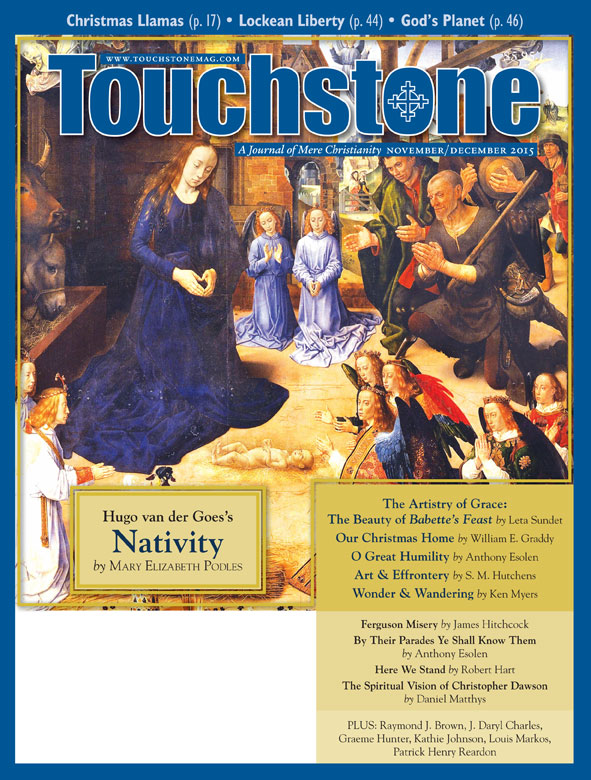
Mortal Remains
Art & Effrontery
by S. M. Hutchens
Discussing certain trends in modern art, I observed to a friend that we live in an age when effrontery is regularly mistaken for creativity—and will add that I'm pretty sure the effronters, having discovered the secret of profitable celebrity, both know it and are aware at some level that they haven't done much creating. Heidegger said authentic existence was "Being towards death," and so far as this may be taken to mean, "Remember, O man, that thou art dust, and unto dust thou shalt return," he was quite right. But there are many who seem to want to define themselves toward the Times obituary that praises them for advancing art by disruption, which is another thing entirely.
Art as effrontery is as old as the Fall, for its essence is (public) transgression of law—law, that is, in its broadest Psalmic sense as the expression in creation of the mind and will of the Creator, or as contemplated among the Greeks in terms of the transcendent or immanent forms. When the artistic eros is turned outward toward the mind of God, or toward the Ideal (wherever it is to be found), and its praxis is an honest mimetic attempt to honor what it sees there "in its own words," then it both gives and promises. Whenever the desire and its poiesis become separated from the extravertent theoria and turn inward, becoming ars gratia artis (as Metro-Goldwyn-Mayer promises its films to be), it loses procreative vision and departs into increasingly pointless and unfruitful self-stimulation. It becomes bad and boring at the
same time.
THIS ARTICLE ONLY AVAILABLE TO SUBSCRIBERS.
FOR QUICK ACCESS:
S. M. Hutchens is a senior editor and longtime writer for Touchstone.
A Journal of Mere Christianity—Delivered to Your Door
- Essays on theology, culture, and the Church
- Contributors from across the Christian traditions

Six print issues (one year) of Touchstone, plus full online access and PDF downloads for only $39.95.

Get a one-year full-access subscription to the Touchstone online archives for only $19.95.
bulk subscriptions
Order Touchstone subscriptions in bulk and save $10 per sub! Each subscription includes 6 issues of Touchstone plus full online access to touchstonemag.com—including archives, videos, and pdf downloads of recent issues for only $29.95 each! Great for churches or study groups.
Transactions will be processed on a secure server.
more from the online archives
31.5—September/October 2018
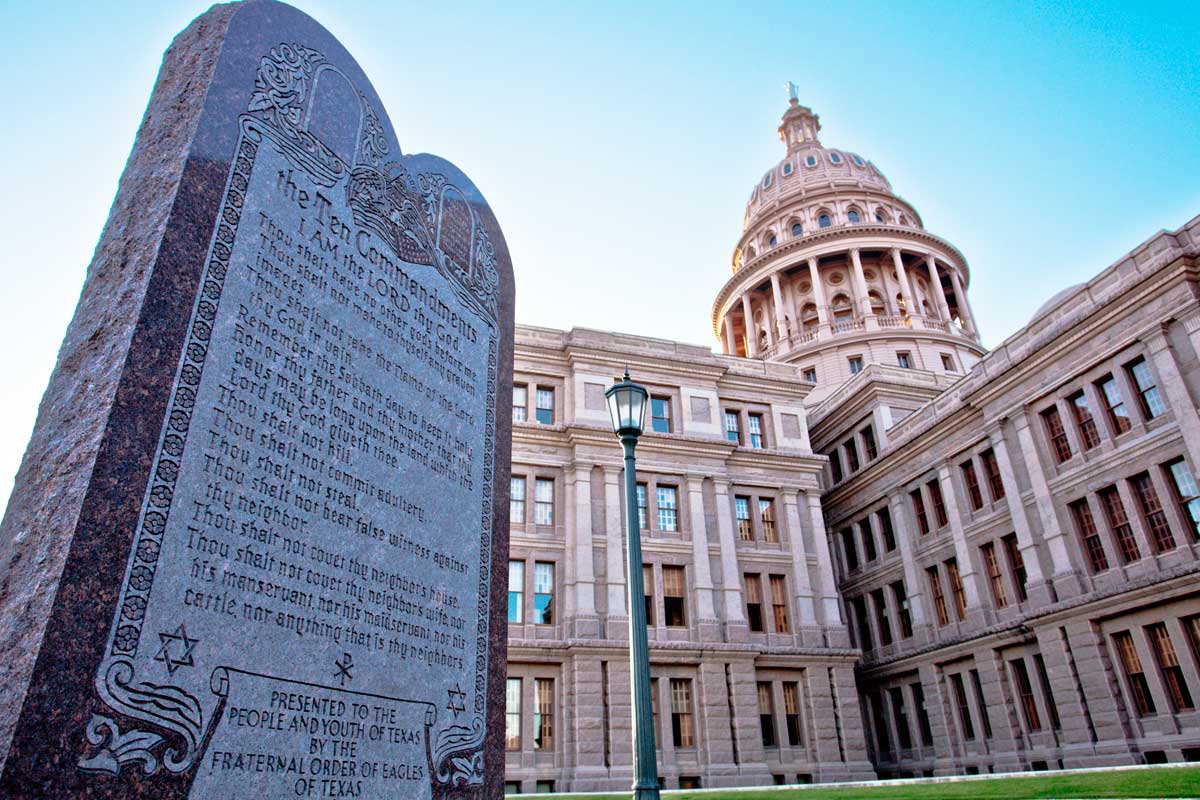
The Secular State Without the Decalogue by James M. Kushiner
21.10—December 2008
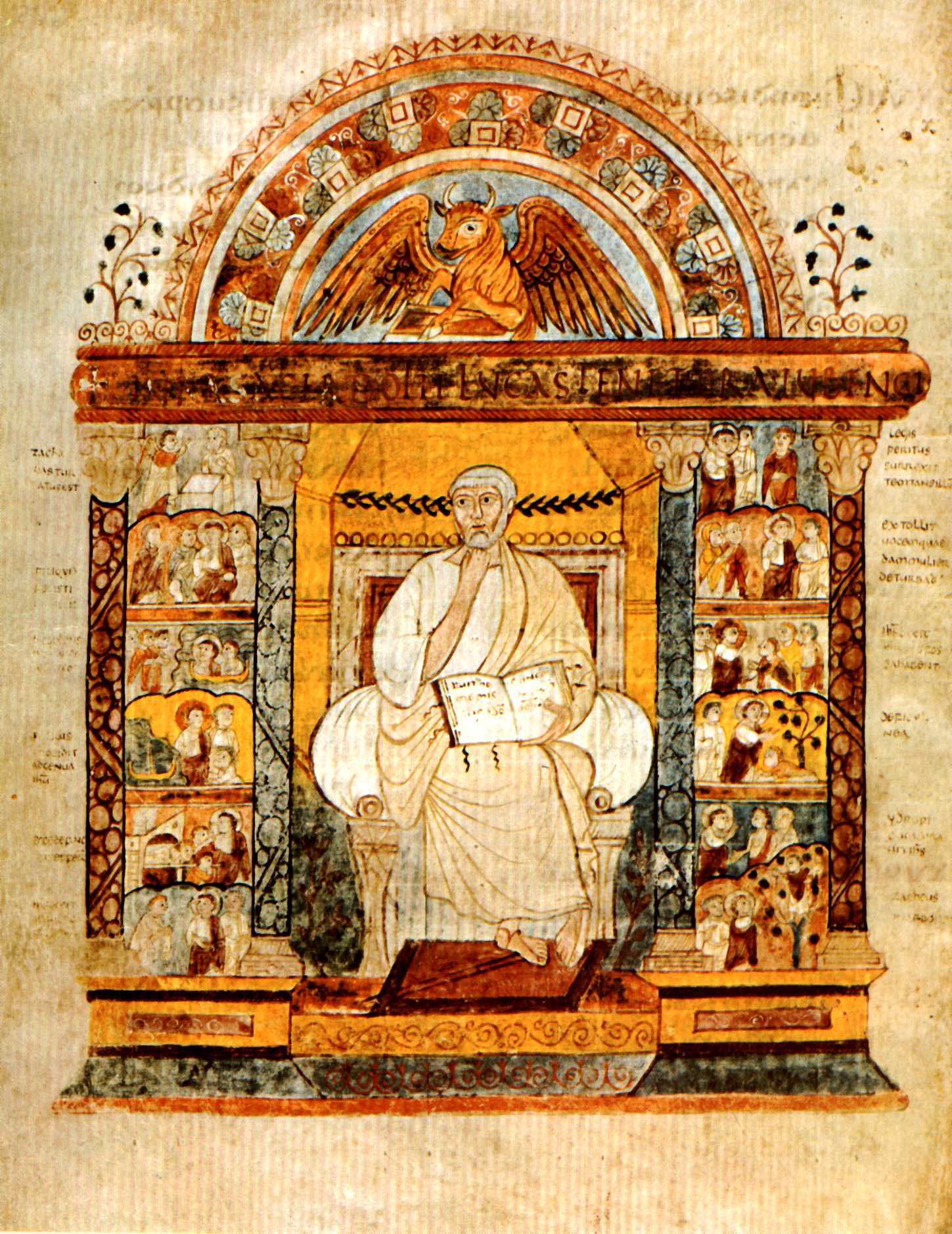
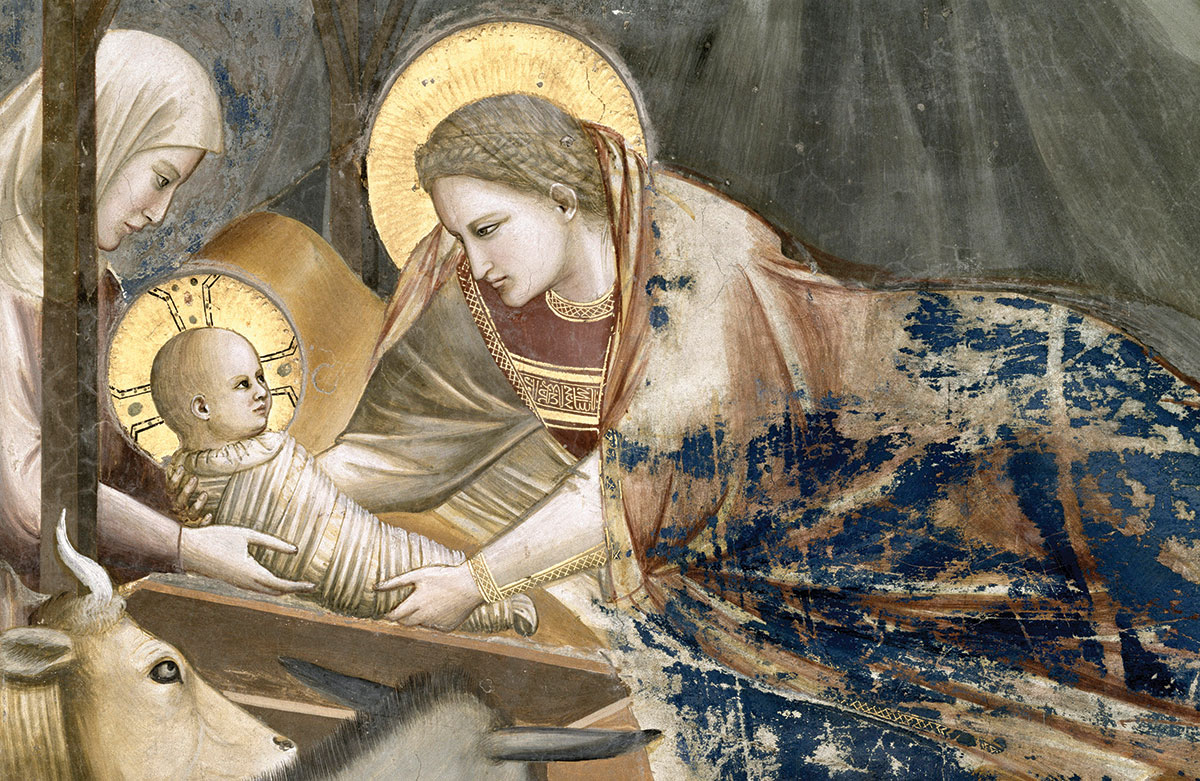
Early Christian Teaching on the Incarnation & Redemption by Patrick Henry Reardon
calling all readers
Please Donate
"There are magazines worth reading but few worth saving . . . Touchstone is just such a magazine."
—Alice von Hildebrand
"Here we do not concede one square millimeter of territory to falsehood, folly, contemporary sentimentality, or fashion. We speak the truth, and let God be our judge. . . . Touchstone is the one committedly Christian conservative journal."
—Anthony Esolen, Touchstone senior editor
