





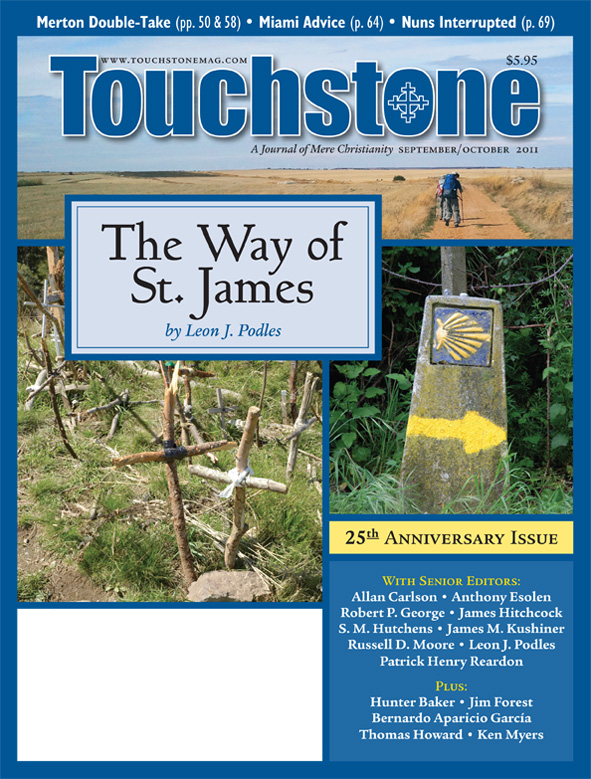
We, the Enemy
The Liberal State & the Decline of Pluralism
The modern idea of religious liberty assumes that it is the state above all that threatens such freedom—by establishing a state church or hampering the free practice of religion—and that the modern liberal state, in proclaiming its studied neutrality, its distance from religion altogether, is the ultimate protector of such liberty.
How deeply the liberal state is really committed to genuine religious liberty—at what point “neutrality” becomes hostility—is an open question. But genuine liberty also depends on “civil society”—communities and institutions that exist independent of, and in many ways prior to, the state.
THIS ARTICLE ONLY AVAILABLE TO SUBSCRIBERS.
FOR QUICK ACCESS:
James Hitchcock is Professor emeritus of History at St. Louis University in St. Louis. He and his late wife Helen have four daughters. His most recent book is the two-volume work, The Supreme Court and Religion in American Life (Princeton University Press, 2004). He is a senior editor of Touchstone.
A Journal of Mere Christianity—Delivered to Your Door
- Essays on theology, culture, and the Church
- Contributors from across the Christian traditions

Six print issues (one year) of Touchstone, plus full online access and PDF downloads for only $39.95.

Get a one-year full-access subscription to the Touchstone online archives for only $19.95.
bulk subscriptions
Order Touchstone subscriptions in bulk and save $10 per sub! Each subscription includes 6 issues of Touchstone plus full online access to touchstonemag.com—including archives, videos, and pdf downloads of recent issues for only $29.95 each! Great for churches or study groups.
Transactions will be processed on a secure server.
more from the online archives
33.3—May/June 2020
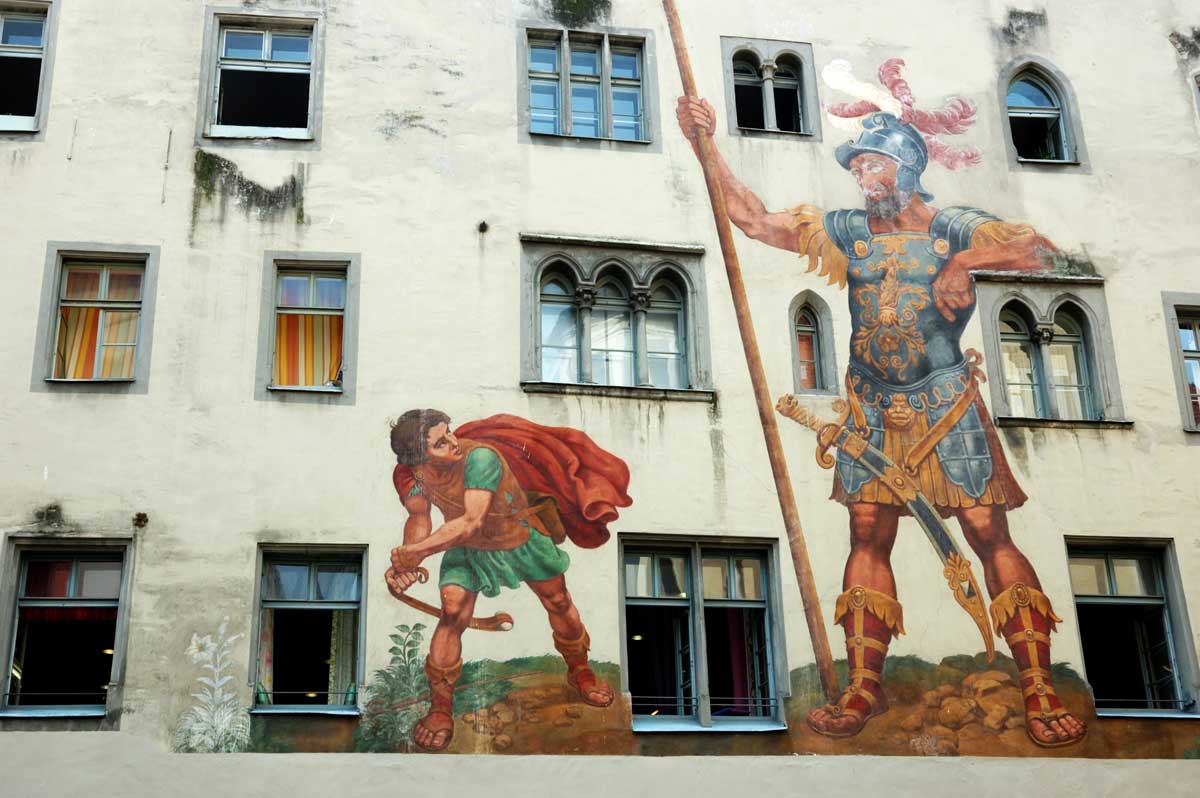
On Flight & Fight in the Present Tribulation by Douglas Farrow
calling all readers
Please Donate
"There are magazines worth reading but few worth saving . . . Touchstone is just such a magazine."
—Alice von Hildebrand
"Here we do not concede one square millimeter of territory to falsehood, folly, contemporary sentimentality, or fashion. We speak the truth, and let God be our judge. . . . Touchstone is the one committedly Christian conservative journal."
—Anthony Esolen, Touchstone senior editor
