




View
In the Fourth Quarter
Graeme Hunter on Making the Grades in Longevity & Life
Seventy-five! In the days before grade inflation, that was a significant number. Teachers were slow to bestow it. Students were therefore thrilled to receive it. Seventy-five was the point of entry into the B range. Receiving that mark was something like arriving in the upper middle class. We were not aristocrats but we could sometimes rub shoulders with them on an almost equal footing. We fell short of genius, but we had a mark we could be proud of, and we could dream of someday achieving an A.
Something analogous is true when we turn 75. We have escaped fatal birth defects, germs, viruses, accidents, acts of violence, wars, and other evils that lurk on the byways of death. And having exercised this skill for so long awakens in us the hope of getting an A in longevity.
It happens. As it did in a true story I wrote about in 2019 ("A Case of Win-Win," July/August): A French widow of 90 made an attractive offer to a lawyer of 47. He was to give her 2,500 francs a month until her death, in exchange for which she would bequeath to him her fashionable flat in Arles. He accepted.
The lawyer bet on one probability but overlooked another. It is probable that a woman of 90 has not long to live, but it is also probable that some people who achieve an A in the discipline of living may go on to achieve an A+. A woman who has already lived 90 years may keep right on living. As indeed happened in this case. Jeanne Calment lived to be the oldest person in the world, dying at 122 in 1997, outlasting the lawyer by about one year.
A Dubious Blessing?
So reaching 75 is as promising an achievement as receiving a mark of 75 used to be. And those who reach such an age can take its promise to their comfort. But how good is either promise?
People who achieve a mark of 75 and then rise to an A in their disciplines often waste their eyes, their strength, their years, and ultimately their lives, in those same disciplines, for the sake of offering the world their fussy expertise in matters of great subtlety, but small importance.
Similarly, may not even the rarely attained A+ in longevity be a dubious blessing? Poets know this. Here is what Ben Jonson says about it:
"The Noble Nature"
It is not growing like a tree
In bulk, doth make man better be;
Or standing long an oak, three hundred year,
To fall a log at last, dry, bald, and sere:
A lily of a day
Is fairer far in May,
Although it fall and die that night—
It was the plant and flower of Light.
In small proportions we just beauties see;
And in short measures life may perfect be.
Ben Jonson speaks for himself, but also for poetry itself. Poetry loves vigor, beauty, the sure and sprightly step of youth. It is not fond of the shaky way and wrinkled face of age.
The Future's Judgment
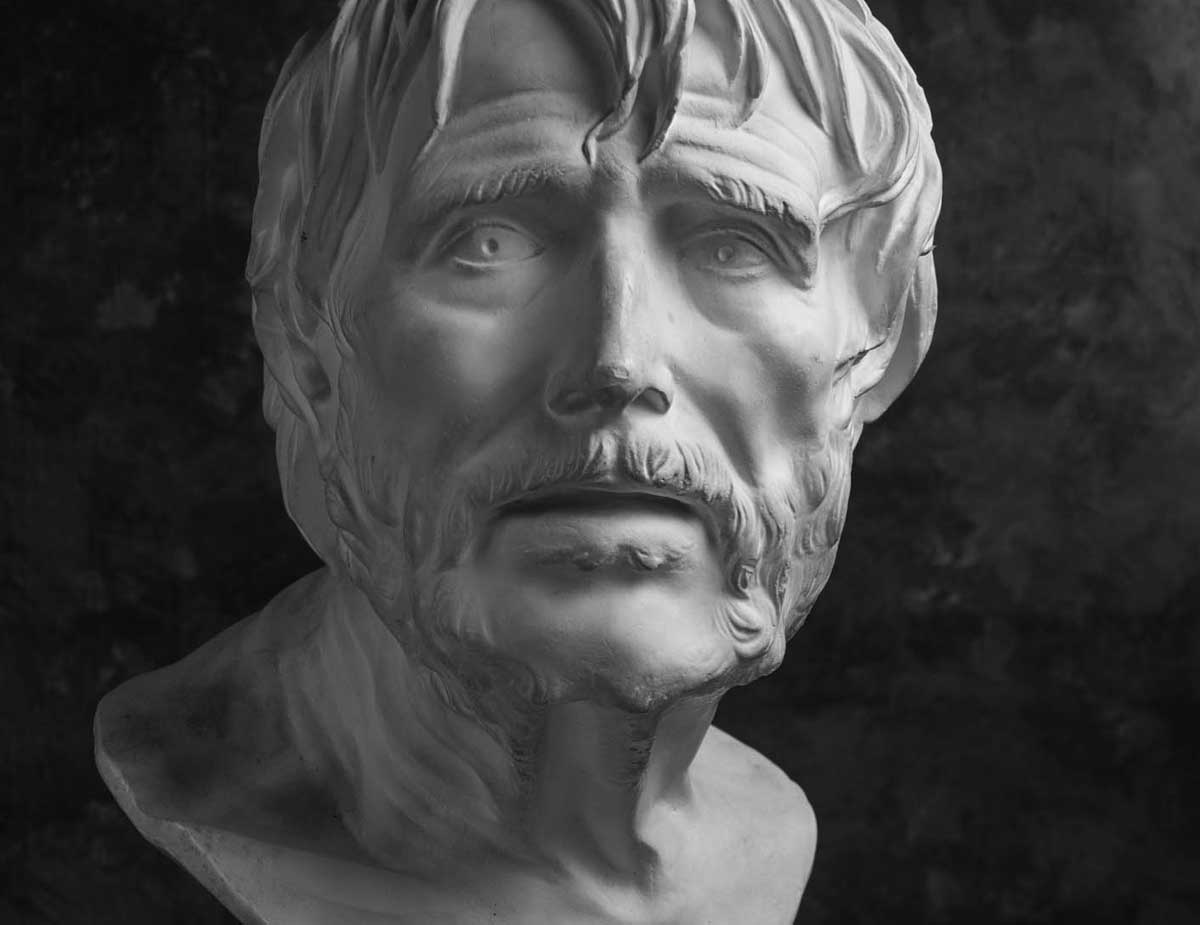
The Stoic Seneca, the most Christian of the pagan philosophers and one of the most eloquent, takes the same view in his essay "On the Brevity of Life" (De Brevitate Vitae). There he shows us how much it would profit us to live our lives as if we were certain they would be brief:
Those who live untroubled by nagging tasks must surely find their span of life sufficient. No part of their life is turned over to someone else, none of it is scattered in this direction and that, none of it is committed to Fortune, none of it perishes from neglect, none is subtracted by wasteful giving, none of it is unused; the whole of it, so to speak, yields income. And so, however small the amount of it, it is abundantly sufficient, and therefore, whenever his last day shall come, the wise man will not hesitate to go to meet death with steady step.
So poetry and philosophy seem to agree that even the shortest life is enough, provided the little time we have is not wasted. The sad thing is that most of us are notorious wastrels, and so we live as if we had long lives before us, though we have no reason to believe it to be so. We hope the many imaginary years stretching ahead will permit us to achieve something that those who come after us will find commendable. "Something ere the end," as Tennyson put it, "some work of noble note may yet be done, not unbecoming men that strove with gods."
Faint hope. Jealous or angry assessors of the future will be sure to give us a failing mark. An indifferent future may overlook us altogether.
We hate to face the bitter fact that we must hand ourselves over naked to the judgment of the future. The cards we played with cannot be stacked in our favor. They vanish when we do. Nothing we can do will prevent the future from judging us according to its own light, if it has any light or power to judge. We cannot alter its shape or command its favor. Only the luckiest among us will achieve anything salient enough to be worthy of judgment.
The Greater Judgment Seat
What can we say, then, for the comfort of those who obtain B+ in longevity?
Things like this: Have they given interesting children to the world, and kept in loving touch with them all their days? Or lived happily with the spouse of their youth? Were they distinguished in some field? Did they stand firm against the winds of doctrine in which the flags of other men shook and flapped? Perhaps, then, like the sage, such a man can go to meet death with a steady step.
But I have been talking as if the future were our only judge. How could I have forgotten the more important eternal court we must also face, where time and its imperious judgments are held in derision? When we stand before that greater judgment seat, our most fervent hope is to have nothing salient enough to be judged. Instead, in our insufficiency, we long to hear the words, "Well done, you good and faithful servant."
Graeme Hunter is a contributing editor to Touchstone and Research Professor of Philosophy at Dominican University College in Ottawa. He is the author of Radical Protestantism in Spinoza's Thought (Ashgate).
A Journal of Mere Christianity—Delivered to Your Door
- Essays on theology, culture, and the Church
- Contributors from across the Christian traditions

Six print issues (one year) of Touchstone, plus full online access and PDF downloads for only $39.95.

Get a one-year full-access subscription to the Touchstone online archives for only $19.95.
bulk subscriptions
Order Touchstone subscriptions in bulk and save $10 per sub! Each subscription includes 6 issues of Touchstone plus full online access to touchstonemag.com—including archives, videos, and pdf downloads of recent issues for only $29.95 each! Great for churches or study groups.
Transactions will be processed on a secure server.
more on philosophy from the online archives
29.5—Sept/Oct 2016
on Past & Present Atheism & the Invention of Happiness by Jordan Bissell

24.2—March/April 2011
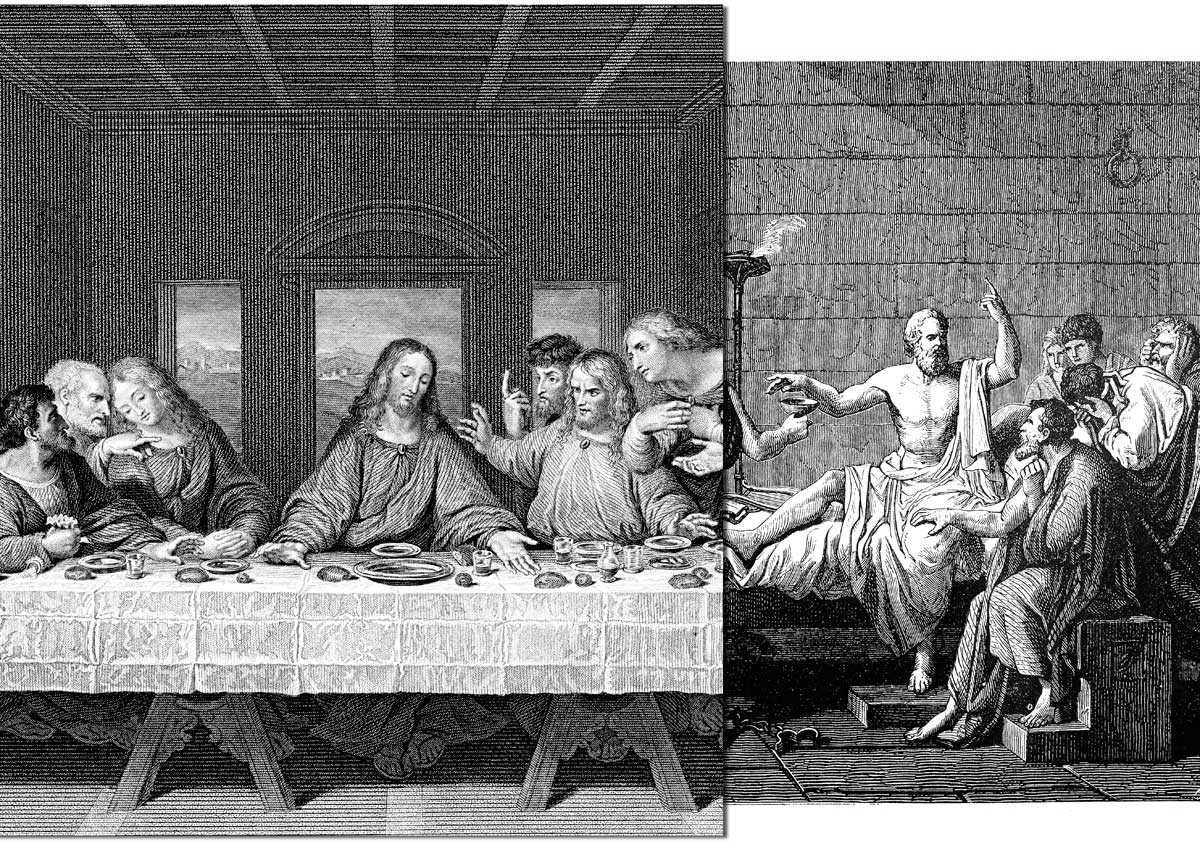
Certain Death & the Last Lectures of Socrates & Jesus by Randall B. Smith
more from the online archives
18.2—March 2005
On Conservatism as Vexation, Vanity & Near Impossibility by Graeme Hunter
calling all readers
Please Donate
"There are magazines worth reading but few worth saving . . . Touchstone is just such a magazine."
—Alice von Hildebrand
"Here we do not concede one square millimeter of territory to falsehood, folly, contemporary sentimentality, or fashion. We speak the truth, and let God be our judge. . . . Touchstone is the one committedly Christian conservative journal."
—Anthony Esolen, Touchstone senior editor
