





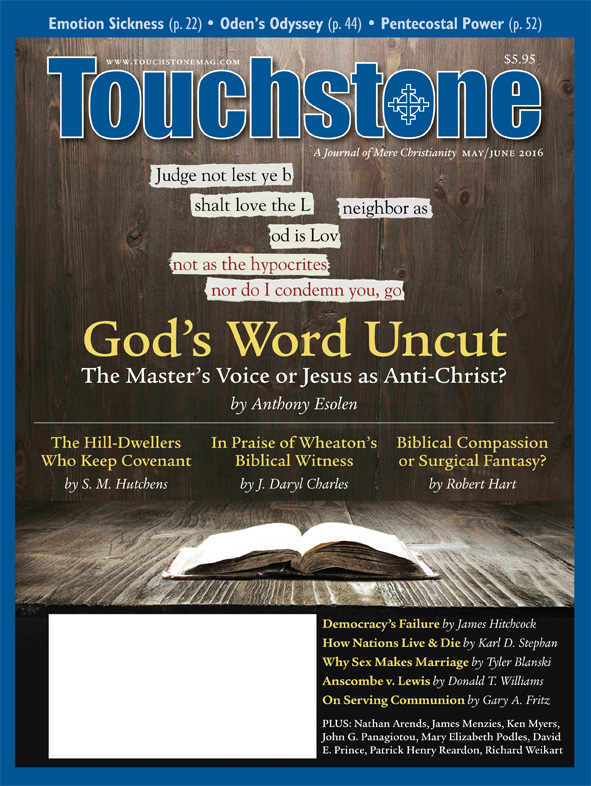
Illuminations
Loosened Tongues Employed
When the pilgrim Dante and his guide Virgil are about to leave the circle of fraud, they come to a wide, cold plain, whose center drops precipitously to the very bottom of Hell, the icy sinkhole of all evil. In this plain they encounter giants, chained to stone wells, whence they tower from the waist up. Of the five who are named, four are Titans from Greek mythology: Ephialtes, Typhoeus, Briareus, and Antaeus. That last is the one who will, without a word, and rather grudgingly, serve as the elevator to take Dante and Virgil and set them down on the ice far below. The fifth, and the one who defines this strange place, is that mighty hunter before the Lord, Nimrod.
We are at the brink of unmeaning, approaching the Word-denier Satan himself, speechless at the center of Hell, frozen to his waist. That Titan is the moral and the efficient cause of his own imprisonment. He flaps his six bat-wings incessantly, like an automaton, raising the gale winds that freeze the River Cocytus and lock him and the rest of the traitors in the ice. Heave a rugged mountain to crash upon that ice, says Dante, and even the surface would hardly make a creak. Some of the cold-hearted souls can never speak even if they so desired, because they are submerged in the ice, kept fresh like flies in amber.
THIS ARTICLE ONLY AVAILABLE TO SUBSCRIBERS.
FOR QUICK ACCESS:
Anthony Esolen is Distinguished Professor of Humanities at Thales College and the author of over 30 books, including Real Music: A Guide to the Timeless Hymns of the Church (Tan, with a CD), Out of the Ashes: Rebuilding American Culture (Regnery), and The Hundredfold: Songs for the Lord (Ignatius). He has also translated Dante’s Divine Comedy (Random House) and, with his wife Debra, publishes the web magazine Word and Song (anthonyesolen.substack.com). He is a senior editor of Touchstone.
A Journal of Mere Christianity—Delivered to Your Door with Full Online Access
- Essays on theology, culture, and the Church
- Contributors from across the Christian traditions
- Six print issues per year
- Full digital archive access
 Subscribe (Print + Online)
Get six issues (one year) of Touchstone PLUS full online access including pdf downloads for only $39.95.
 Subscribe (Online Only)
Get a one-year full-access subscription to the Touchstone online archives for only $19.95.
bulk subscriptions
Order Touchstone subscriptions in bulk and save $10 per sub! Each subscription includes 6 issues of Touchstone plus full online access to touchstonemag.com—including archives, videos, and pdf downloads of recent issues for only $29.95 each! Great for churches or study groups.
Transactions will be processed on a secure server.
more from the online archives
17.4—May 2004
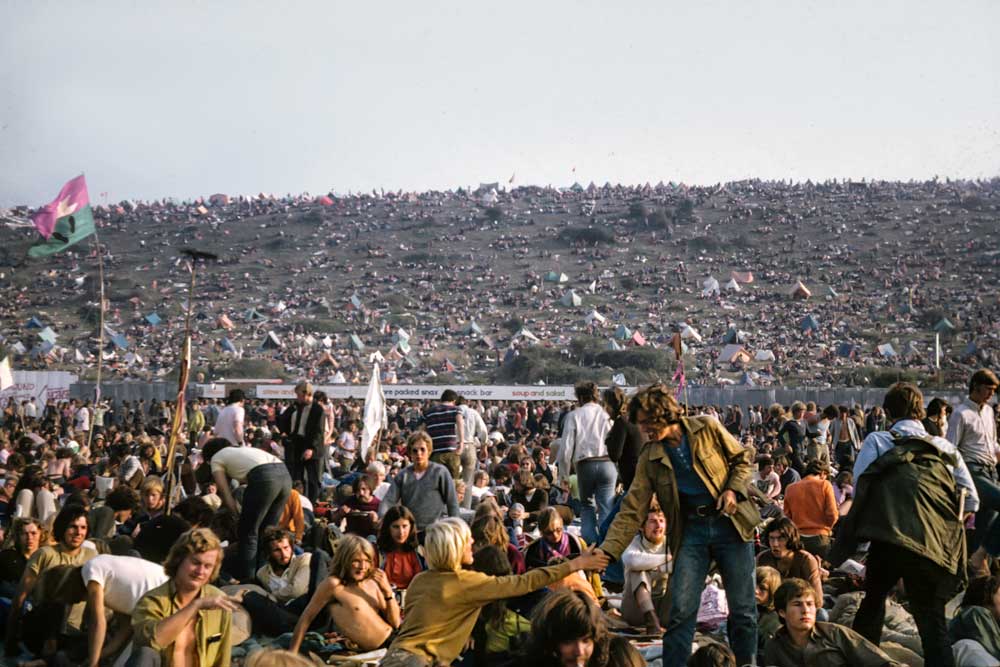
The Unhappy & Abusive Marriage of Liberalism & Modernism by James Hitchcock
37.5—Sept/Oct 2024
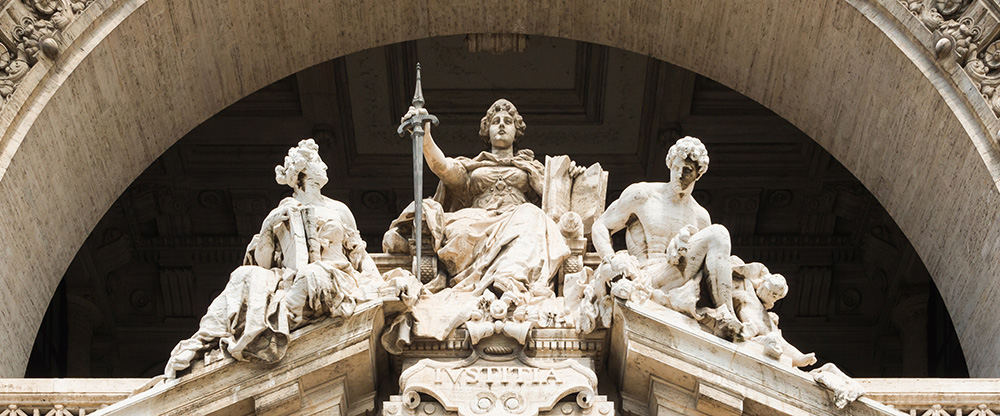
An Abandoned Ruling Principle & How to Get It Back by Adam MacLeod

calling all readers
Please Donate
"There are magazines worth reading but few worth saving . . . Touchstone is just such a magazine."
—Alice von Hildebrand
"Here we do not concede one square millimeter of territory to falsehood, folly, contemporary sentimentality, or fashion. We speak the truth, and let God be our judge. . . . Touchstone is the one committedly Christian conservative journal."
—Anthony Esolen, Touchstone senior editor
