




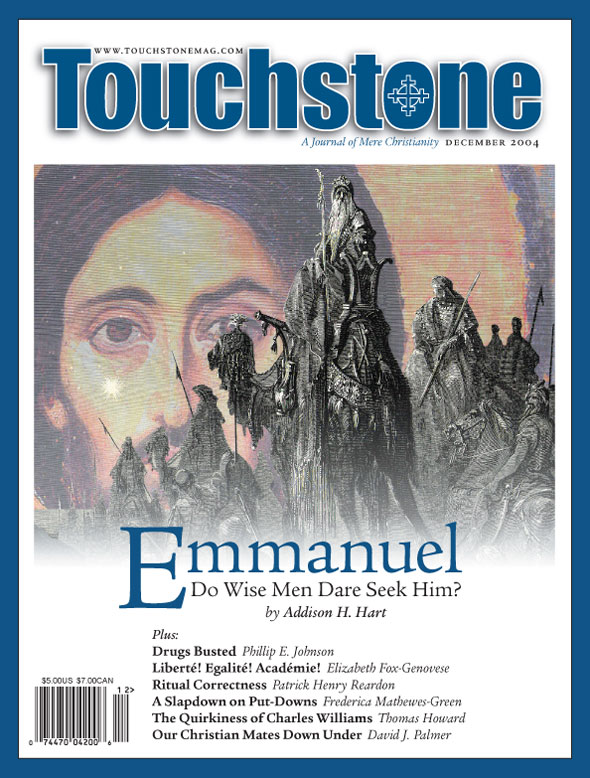
Mystical Modernity
The Making of the New Spirituality: The Eclipse of the Western Religious
Tradition
by James A. Herrick
InterVarsity Press, 2003
(331 pages; $22.00, hardcover)
reviewed by Carl E. Olson
In a recent amazon.com interview, Sam Harris, author of The End of Faith: Religion, Terror, and the Future of Reason, stated that “while Eastern mysticism has its fair share of unjustified belief, it undoubtedly represents humankind’s best attempt at fashioning a spiritual science.”
Convinced that traditional religions—which rest on “blind faith”—are not just irrational but inherently dangerous, Harris opined that mysticism and “spirituality” offer the reasonable paths to knowledge. “Mysticism, shorn of religious dogmatism, is an empirical and highly rational enterprise. Just as people do not burn their neighbors at the stake as a result of new insights in physics or biology, no one is likely to do so on the basis of genuine mysticism. Religion—especially in the West—is another matter entirely. Religious faith is a conversation stopper.”
What is needed, Harris not so reasonably concluded, is both the elimination of religion and the modification of beliefs “by conversation—by new evidence and new arguments.” Thus, the need for “conversational intolerance”: when people start talking about their beliefs, they must be criticized, swiftly and emphatically.
Shaping Influence
As James A. Herrick clearly and methodically explains in The Making of the New Spirituality, this approach is not new, nor does it come from the fringe—at least not anymore. In fact, advocates for a radical change in the Western understanding of spirituality and religion became a major force, not in the 1960s, but much earlier—around 1700, with roots extending back several more centuries. And that “shaping influence,” Herrick argues, “has continued unabated to the present day.”
Herrick, a professor of communication at Hope College in Holland, Michigan, traces “the historical trajectory in popular religious discourse of a set of religious ideas that, though once considered exotic or even heretical, now hold sway in the Western religious mind.” These ideas include materials from the hermetic tradition, Kabbalah, European mysticism, Darwinism, pantheism, gnosticism, shamanism, theosophy, and Eastern mysticism. The breadth and depth of study is impressive, as is Herrick’s firm grasp of this bewildering conglomeration of movements, fads, impulses, philosophies, and spiritualities.
Although the components are not new, their synthesis into what Herrick calls an “alliance of available complimentary spiritual commitments” is. Herrick calls this the New Religious Synthesis, and he traces the connections and locates the key relationships within it. “Though goddess worship, the New Science, Buddhist-inspired motivational seminars, UFO abduction reports, spiritually oriented psychology and alternative medical practices may seem at first glance to have little to do with one another,” he writes, “each phenomenon reflects changes in the Western world’s basic spiritual orientation.”
The “Revealed Word” is Herrick’s designation for what might also be termed mere Christianity (he readily acknowledges his debt to C. S. Lewis). The change in orientation is from that of the formerly culturally dominant Revealed Word to a general acceptance in both the popular and the elite minds of the New Religious Synthesis. This shift corresponds “roughly with scientific advances, corrosive biblical criticism, and rising awareness of other faiths on the part of Westerners.”
It reflects a movement into a void created when Christian beliefs and presuppositions were damaged and destroyed by “cultural pluralism, Enlightenment criticism of the Judeo-Christian tradition and the staggering success of modern science.” But there is more than a vacuum being filled: For three centuries there has been a concerted effort to promote and propagate alternative spiritualities, especially in “broadly public settings and through powerful popular media.”
Carl E. Olson is the author of Will Catholics Be ?Left Behind?? (Ignatius), and co-author, with Sandra Miesel, of The Da Vinci Hoax (Ignatius).
A Journal of Mere Christianity—Delivered to Your Door
- Essays on theology, culture, and the Church
- Contributors from across the Christian traditions

Six print issues (one year) of Touchstone, plus full online access and PDF downloads for only $39.95.

Get a one-year full-access subscription to the Touchstone online archives for only $19.95.
bulk subscriptions
Order Touchstone subscriptions in bulk and save $10 per sub! Each subscription includes 6 issues of Touchstone plus full online access to touchstonemag.com—including archives, videos, and pdf downloads of recent issues for only $29.95 each! Great for churches or study groups.
Transactions will be processed on a secure server.
more from the online archives
27.4—July/August 2014
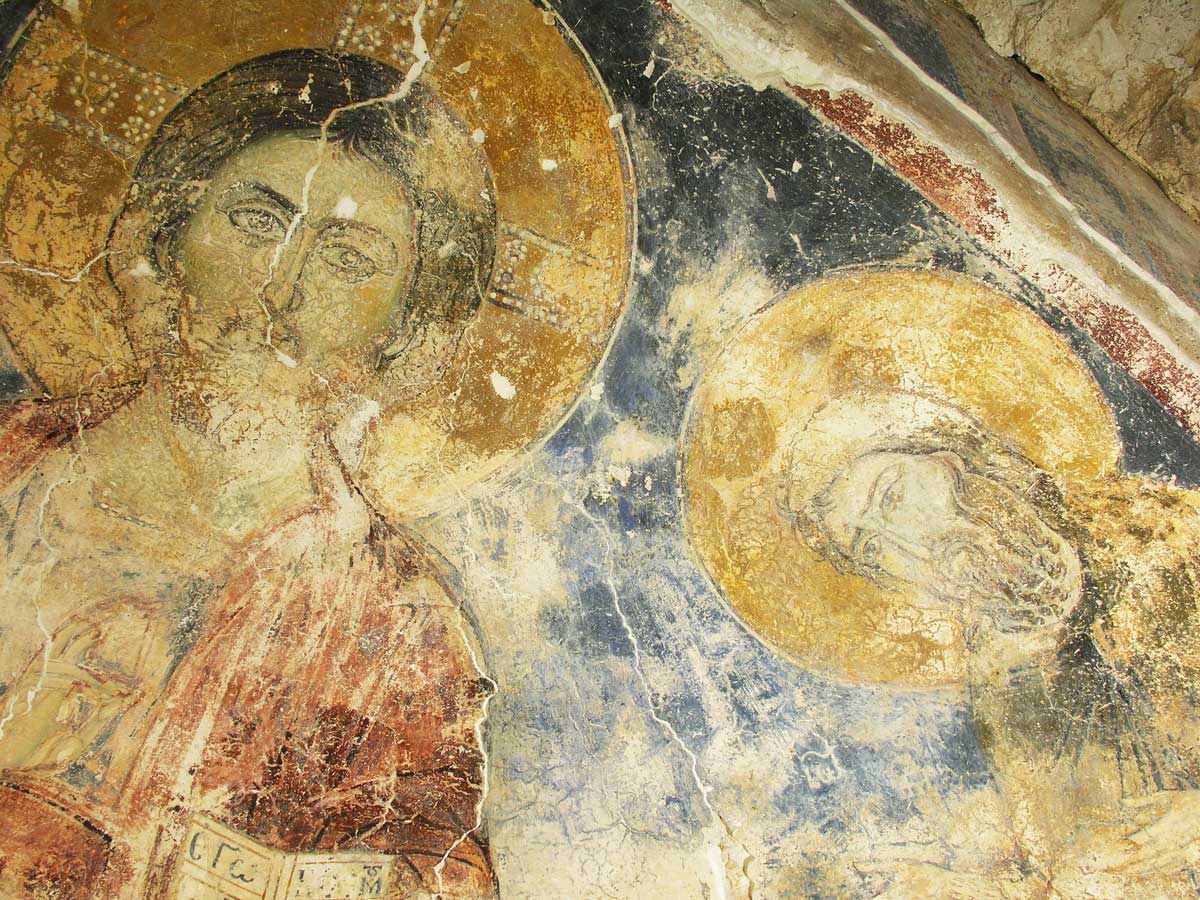
The Bible, Sacred Theology & the Mind of Christ by Patrick Henry Reardon
31.5—September/October 2018
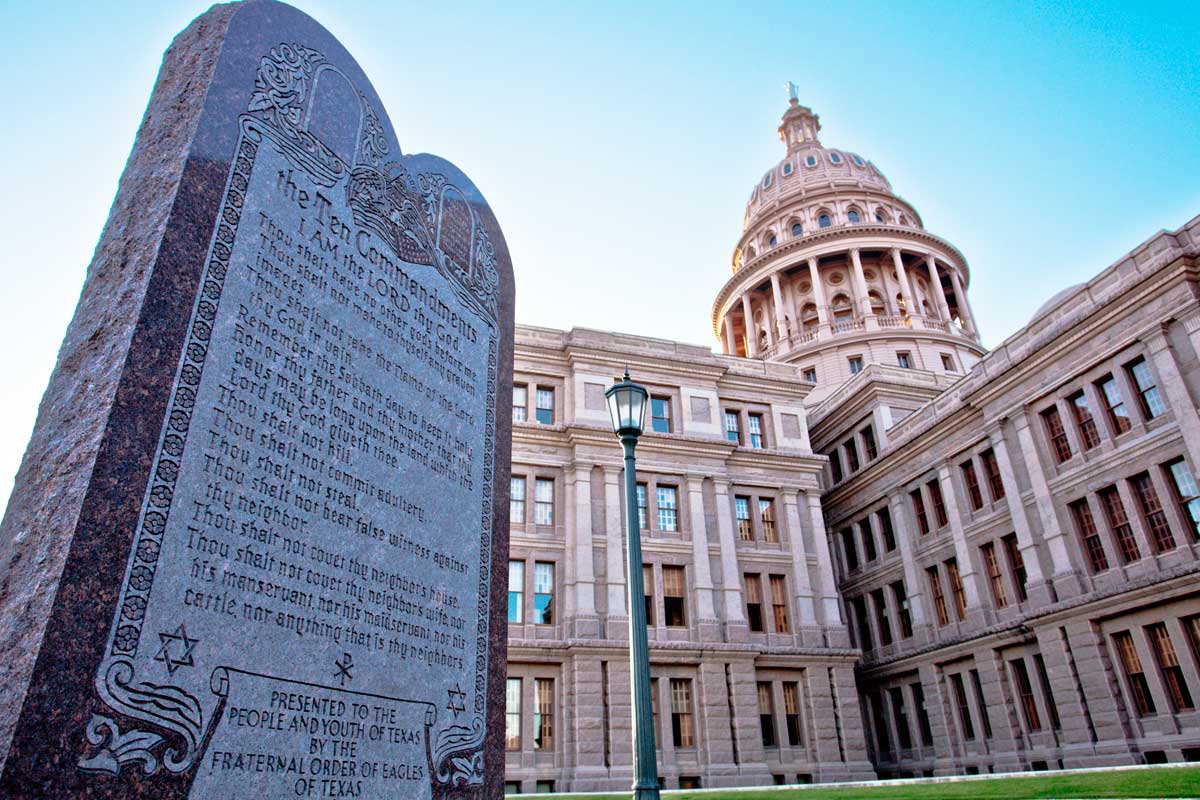
The Secular State Without the Decalogue by James M. Kushiner
36.1—Jan/Feb 2023
A History of the Protestant Debate over Contraception by James A. Altena
calling all readers
Please Donate
"There are magazines worth reading but few worth saving . . . Touchstone is just such a magazine."
—Alice von Hildebrand
"Here we do not concede one square millimeter of territory to falsehood, folly, contemporary sentimentality, or fashion. We speak the truth, and let God be our judge. . . . Touchstone is the one committedly Christian conservative journal."
—Anthony Esolen, Touchstone senior editor
