




Overestimating AIDS
The Boston Globe reported in late June that estimates of the number of people in many countries with AIDS have been dramatically overstated because of errors in the statistical models used to estimate the number and other factors. The Globe said that analysts are cutting the estimates of those infected with HIV (the human immunodeficiency virus) in many nations by half or more. Rwanda’s figure is being cut from eleven to five percent, and Haiti’s from six to three percent.
The newspaper candidly reported that any finding that the epidemic may have been overstated will not be welcomed by activists who have devoted their careers to fighting HIV and do not want to see any HIV money diverted to meeting other needs. I presume that the thousands of HIV researchers and the multinational pharmaceutical companies that sell the expensive drug cocktails honestly believe what they say, but there are more than enough billions at stake in the estimates to motivate a tendency to believe the worst, which is actually the best if you are thinking in dollars.
In fact, the prevailing sentiment in AIDS research is that it is reprehensible to say or do anything that might cause the public to doubt the severity of the epidemic, because any doubts may cause people to risk unsafe sex, to neglect to take the nausea-inducing medications that are supposed to extend their lives, and, although this is left unsaid, to lose some of their enthusiasm for funding AIDS programs generously.
THIS ARTICLE ONLY AVAILABLE TO SUBSCRIBERS.
FOR QUICK ACCESS:
Phillip E. Johnson is Professor of Law (emeritus) at the University of California at Berkeley. He is the author of Darwin on Trial, The Wedge of Truth, The Right Questions (InterVarsity Press), and other books challenging the naturalistic assumptions that dominate modern culture. He is a contributing editor of Touchstone.
A Journal of Mere Christianity—Delivered to Your Door
- Essays on theology, culture, and the Church
- Contributors from across the Christian traditions

Six print issues (one year) of Touchstone, plus full online access and PDF downloads for only $39.95.

Get a one-year full-access subscription to the Touchstone online archives for only $19.95.
bulk subscriptions
Order Touchstone subscriptions in bulk and save $10 per sub! Each subscription includes 6 issues of Touchstone plus full online access to touchstonemag.com—including archives, videos, and pdf downloads of recent issues for only $29.95 each! Great for churches or study groups.
Transactions will be processed on a secure server.
more from the online archives
28.3—May/June 2015
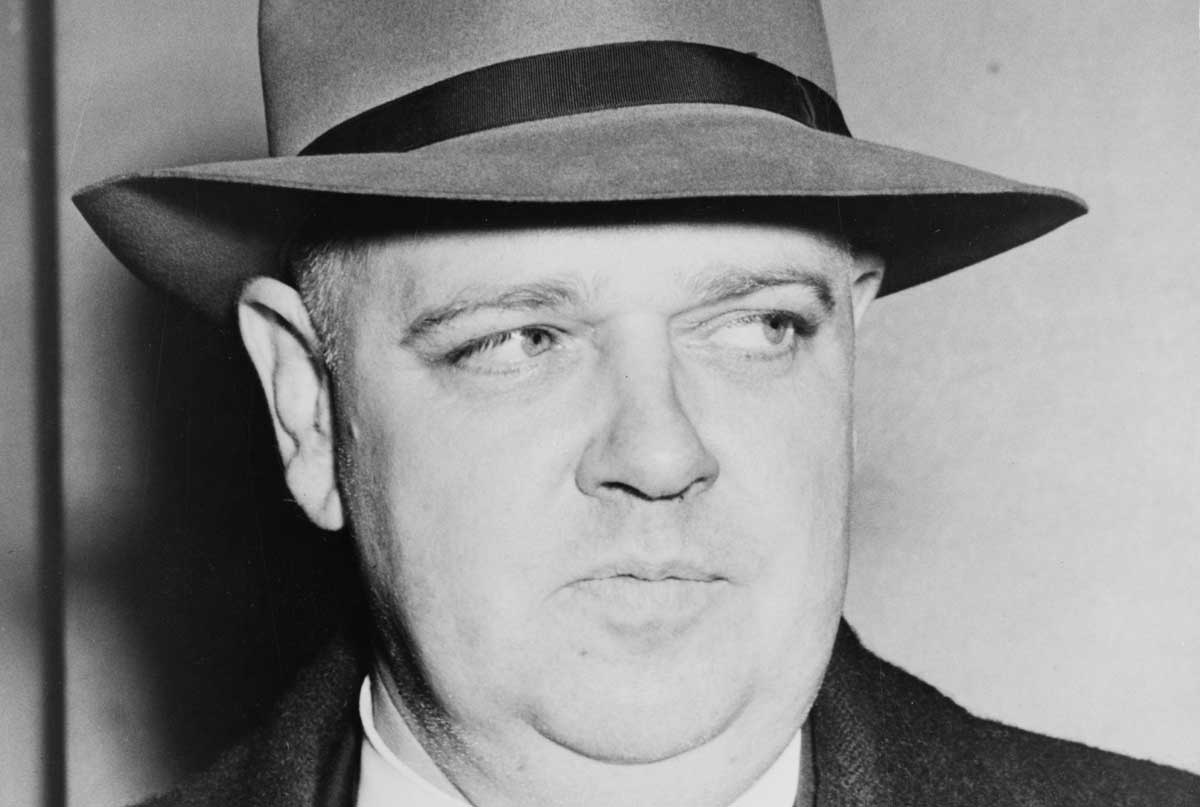
Whittaker Chambers's Lonely War Against Godless Collectivism by Hunter Baker

22.5—June 2009
C. S. Lewis on Civilization & the Natural Order by Timothy L. Hall

calling all readers
Please Donate
"There are magazines worth reading but few worth saving . . . Touchstone is just such a magazine."
—Alice von Hildebrand
"Here we do not concede one square millimeter of territory to falsehood, folly, contemporary sentimentality, or fashion. We speak the truth, and let God be our judge. . . . Touchstone is the one committedly Christian conservative journal."
—Anthony Esolen, Touchstone senior editor
