





Marching Past & Present
What Four Parades Reveal About the Future
by Allan C. Carlson
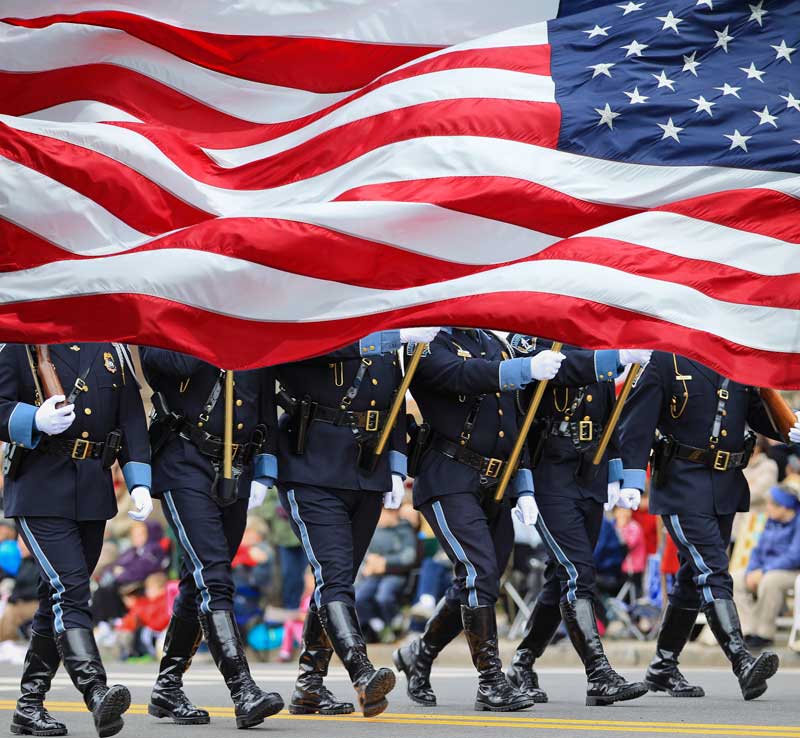
In 1916, the Children's Bureau of the U.S. Department of Labor, the National Congress of Mothers, and the General Federation of Women's Clubs sponsored National Baby Week, March 4–11. Ten million women and six-and-a-half million preschool children took part in lectures, baby-care seminars, good-natured "Best Mother" contests, and orations celebrating motherhood as a sacred vocation. Most visually, there were "Baby Parades," occurring in 4,300 cities and towns. As one historian (Molly Ladd-Taylor) remarks, "Like military heroes, mothers with infants in arms paraded down Main Street to the applause of flag waving townspeople."
A century or so later, Americans recognize June as "Pride Month." This is a time, President Joe Biden tells us, "to recall the trials [that the] Lesbian, Gay, Bisexual, Transgender, and Queer community has endured and to rejoice in the triumphs of trailblazing individuals who have bravely fought . . . for full equality." Again most visibly, there are grand parades, this time featuring floats, exotic dancers, drag queens, amplified music, and contingents from the United Church of Christ, the Episcopalians, the Evangelical Lutheran Church in America, and the Unitarians. These parades occur in over a hundred American cities, drawing huge crowds. Five million persons attended the 2019 New York City march alone; three million in San Francisco; two million in Chicago. Mothers with babies are not invited.
THIS ARTICLE ONLY AVAILABLE TO SUBSCRIBERS.
FOR QUICK ACCESS:
Allan C. Carlson is the author of numerous books, including Family Questions: Reflections on the American Social Crisis and The American Way: Family and Community in the Shaping of the American Identity. He attends St. Paul Lutheran Church in Rockford, Illinois. He is a senior editor of Touchstone.
subscription options
Order
Print/Online Subscription

Get six issues (one year) of Touchstone PLUS full online access including pdf downloads for only $39.95. That's only $3.34 per month!
Order
Online Only
Subscription

Get a one-year full-access subscription to the Touchstone online archives for only $19.95. That's only $1.66 per month!
bulk subscriptions
Order Touchstone subscriptions in bulk and save $10 per sub! Each subscription includes 6 issues of Touchstone plus full online access to touchstonemag.com—including archives, videos, and pdf downloads of recent issues for only $29.95 each! Great for churches or study groups.
Transactions will be processed on a secure server.
more on Family from the online archives
31.5—September/October 2018
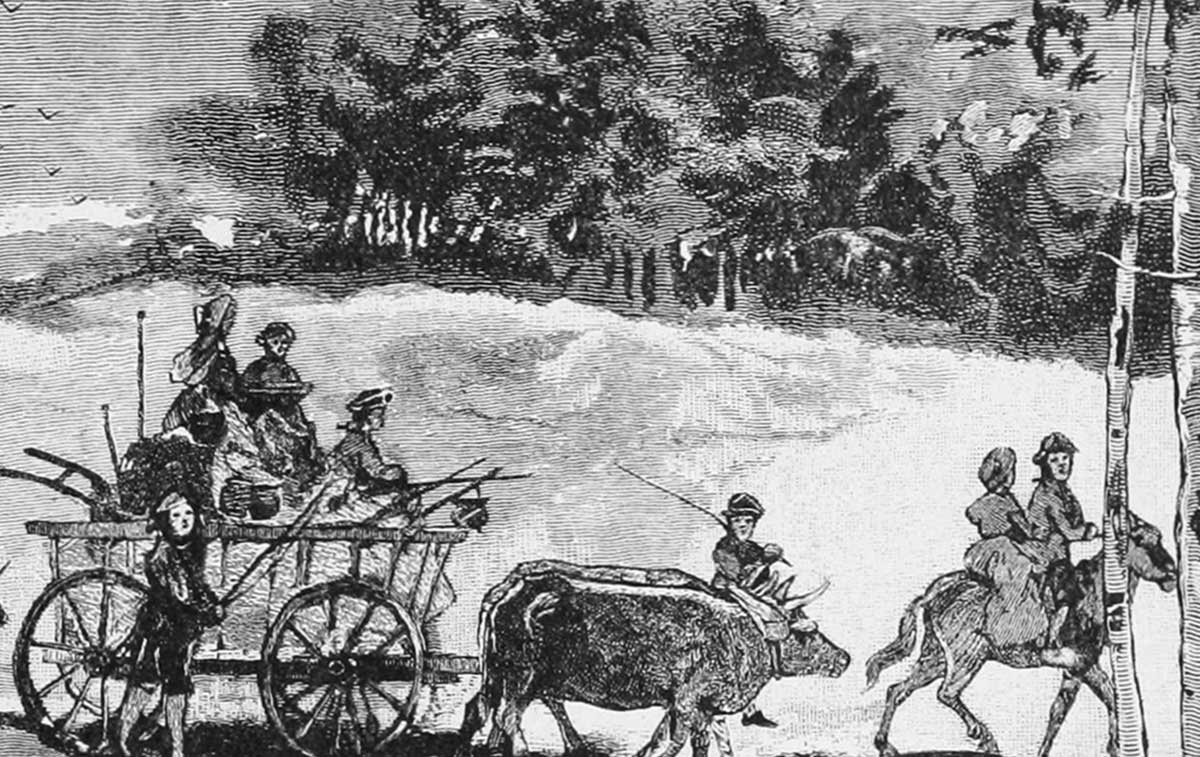
Errands into the Moral Wilderness
Forms of Christian Family Witness & Renewal by Allan C. Carlson

23.1—January/February 2010
It’s Bent on Bringing Down the House on the Family & the Church by Douglas Farrow
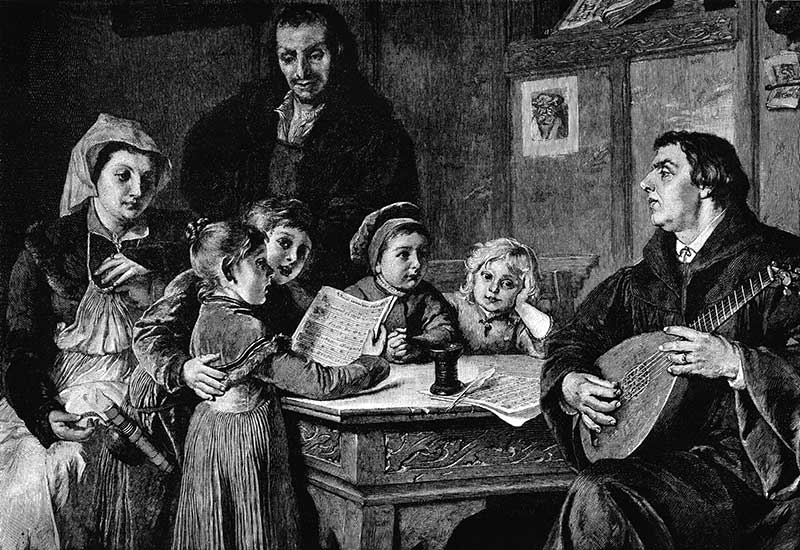
36.1—Jan/Feb 2023
A History of the Protestant Debate over Contraception by James A. Altena
more from the online archives

31.6—November/December 2018
Victimhood Culture Scapegoats Its Very Source by Michael P. Foley

28.1—January/February 2015
on State Impositions & Church Acquiescence by Stephen Baskerville

28.3—May/June 2015
Of Bicycles, Sex, & Natural Law
Describing Human Ends & Our Limitations Is Neither Futile Nor Unloving by R. V. Young
calling all readers
Please Donate
"There are magazines worth reading but few worth saving . . . Touchstone is just such a magazine."
—Alice von Hildebrand
"Here we do not concede one square millimeter of territory to falsehood, folly, contemporary sentimentality, or fashion. We speak the truth, and let God be our judge. . . . Touchstone is the one committedly Christian conservative journal."
—Anthony Esolen, Touchstone senior editor
