





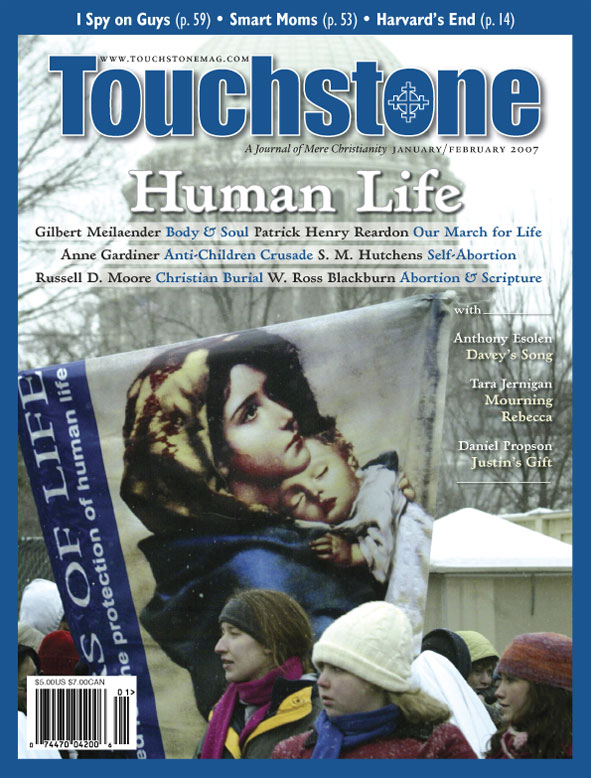
Cruel Crusader
How Margaret Sanger Planned Parenthood by Abortion & Infanticide
by Anne Barbeau Gardiner
I saw a sickly baby in the arms of a terrified woman whose drunken husband had thrown the wailing, naked infant into the snow,” wrote Margaret Sanger in My Fight for Birth Control, published in 1931. “I remember having keen sympathy with that man!” The mother had given birth to eleven children, six of them still living, and this last one, who “evidently had eczema” and “whined night and day,” was just “too much for the father’s nerves.” And so, “out of the door into the snow the nuisance went!”
THIS ARTICLE ONLY AVAILABLE TO SUBSCRIBERS.
FOR QUICK ACCESS:
Anne Barbeau Gardiner is Professor Emerita of English at John Jay College of the City University of New York. She has published on Dryden, Milton, and Swift, as well as on Catholics of the 17th century.
A Journal of Mere Christianity—Delivered to Your Door with Full Online Access
- Essays on theology, culture, and the Church
- Contributors from across the Christian traditions
- Six print issues per year
- Full digital archive access
 Subscribe (Print + Online)
Get six issues (one year) of Touchstone PLUS full online access including pdf downloads for only $39.95.
 Subscribe (Online Only)
Get a one-year full-access subscription to the Touchstone online archives for only $19.95.
bulk subscriptions
Order Touchstone subscriptions in bulk and save $10 per sub! Each subscription includes 6 issues of Touchstone plus full online access to touchstonemag.com—including archives, videos, and pdf downloads of recent issues for only $29.95 each! Great for churches or study groups.
Transactions will be processed on a secure server.
more on abortion from the online archives

30.3—May/June 2017
on the Misuse of Property Rights to Justify Slavery & Abortion by Robert Hart
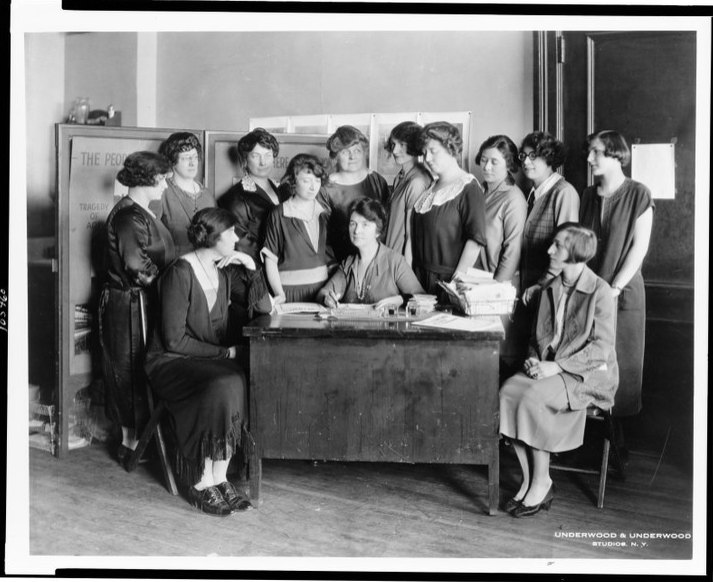
24.1—January/February 2011
How Planned Parenthood's Founder Played the Christians, and Won by Allan C. Carlson
27.2—March/April 2014
on C. S. Lewis & the New State Paganism by W. E. Knickerbocker
more from the online archives
24.6—Nov/Dec 2011
on the Tyranny of Modern Freedom versus the Freedom of Jesus by Gillis J. Harp


calling all readers
Please Donate
"There are magazines worth reading but few worth saving . . . Touchstone is just such a magazine."
—Alice von Hildebrand
"Here we do not concede one square millimeter of territory to falsehood, folly, contemporary sentimentality, or fashion. We speak the truth, and let God be our judge. . . . Touchstone is the one committedly Christian conservative journal."
—Anthony Esolen, Touchstone senior editor
