





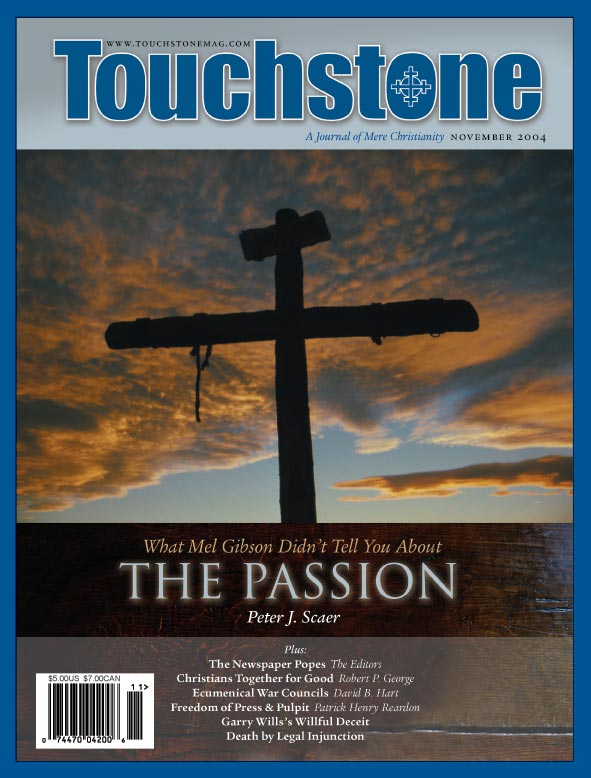
Feature
The Glorious Dying of the Son
The Gospel of Luke & Jesus’ Noble Death
Ancient Greco-Roman society enjoyed death, as seen in the Romans’ relish for the gore and spectacle of death in the gladiatorial arena and in their turning execution into a spectator sport called crucifixion. But at its best, as seen in some of its greatest philosophers, it shed light on the art of dying well and nobly, as the final test for one who had been trained in the arts of virtue.
As Isocrates put it in his first oration, “Death is the sentence which fate has passed on all humankind, but to die nobly is the special honor which nature has preserved for the noble.” In funeral speeches, biographies, and rhetorical exercises, stories of noble death were passed down through the generations to engender courage and encourage emulation. Stories of noble death so much filled the air that in one of his Epistles, Seneca had to respond to a student who complained that “those stories have been droned to death in all the schools.”
THIS ARTICLE ONLY AVAILABLE TO SUBSCRIBERS.
FOR QUICK ACCESS:
Peter J. Scaer is assistant professor of exegetical theology at Concordia Theological Seminary (www.ctsfw.edu) and is finishing a book titled The Lucan Passion and the Praiseworthy Death. ?The Glorious Dying of the Son? is adapted from a paper presented at the Concordia Exegetical Symposium held at Concordia Seminary in Ft. Wayne, Indiana, in January 2003.
subscription options
Order
Print/Online Subscription

Get six issues (one year) of Touchstone PLUS full online access including pdf downloads for only $39.95. That's only $3.34 per month!
Order
Online Only
Subscription

Get a one-year full-access subscription to the Touchstone online archives for only $19.95. That's only $1.66 per month!
bulk subscriptions
Order Touchstone subscriptions in bulk and save $10 per sub! Each subscription includes 6 issues of Touchstone plus full online access to touchstonemag.com—including archives, videos, and pdf downloads of recent issues for only $29.95 each! Great for churches or study groups.
Transactions will be processed on a secure server.
more from the online archives
31.4—July/August 2018
The Difficulty of Apologetics for Dead Souls in the Real World by R. J. Snell
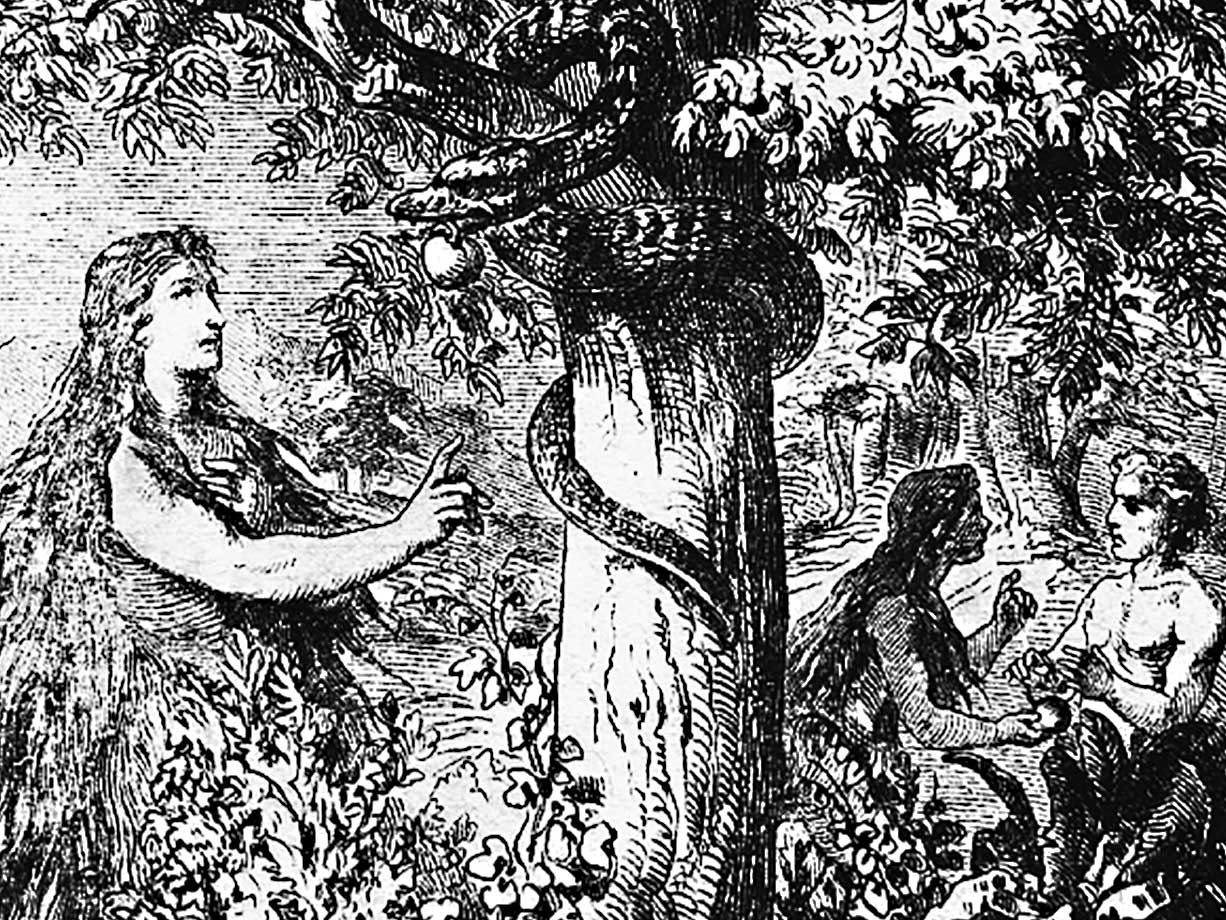
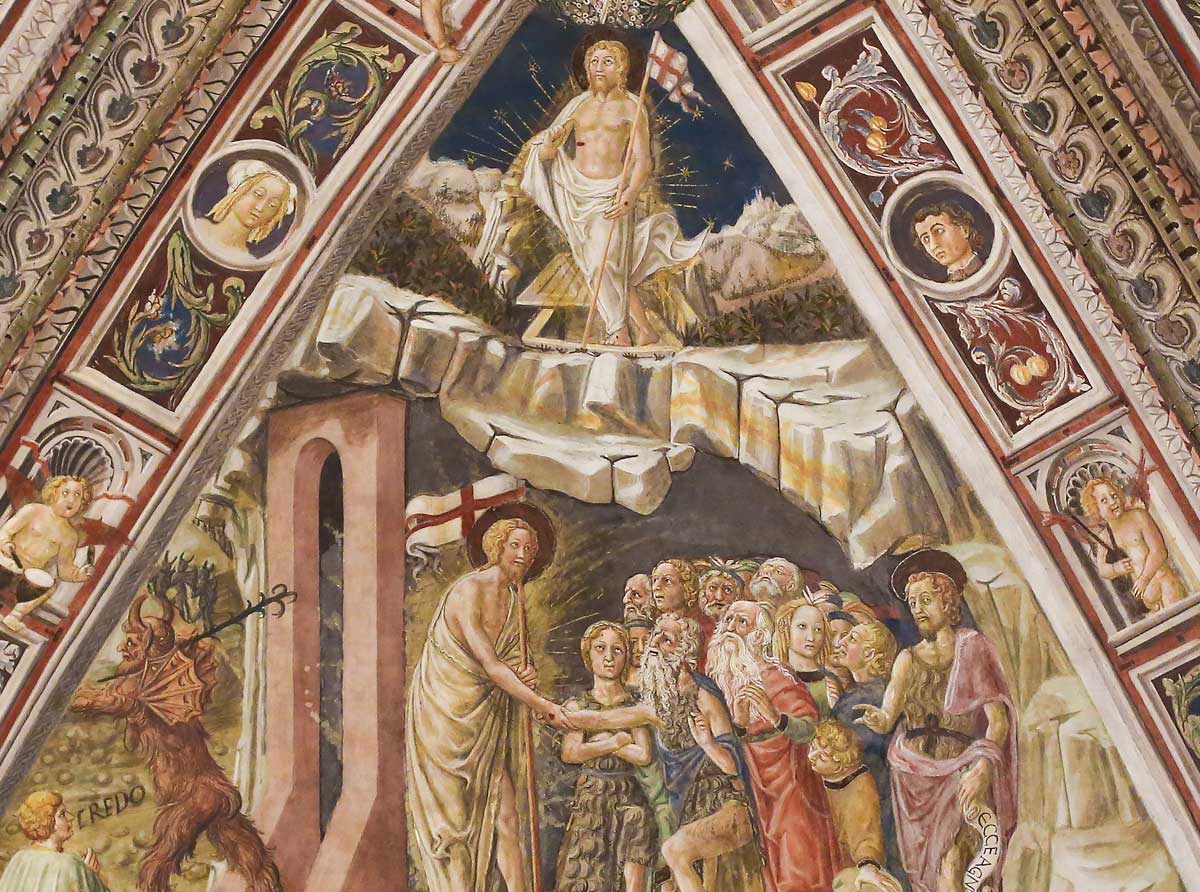
14.6—July/August 2001
The Transformed Relics of the Fall
on the Fulfillment of History in Christ by Patrick Henry Reardon
calling all readers
Please Donate
"There are magazines worth reading but few worth saving . . . Touchstone is just such a magazine."
—Alice von Hildebrand
"Here we do not concede one square millimeter of territory to falsehood, folly, contemporary sentimentality, or fashion. We speak the truth, and let God be our judge. . . . Touchstone is the one committedly Christian conservative journal."
—Anthony Esolen, Touchstone senior editor
