


Communique
Methodist Break-Up?
Will Growing Global Pushback on Sexuality Make Progressives Give Up & Leave?
by Mark Tooley
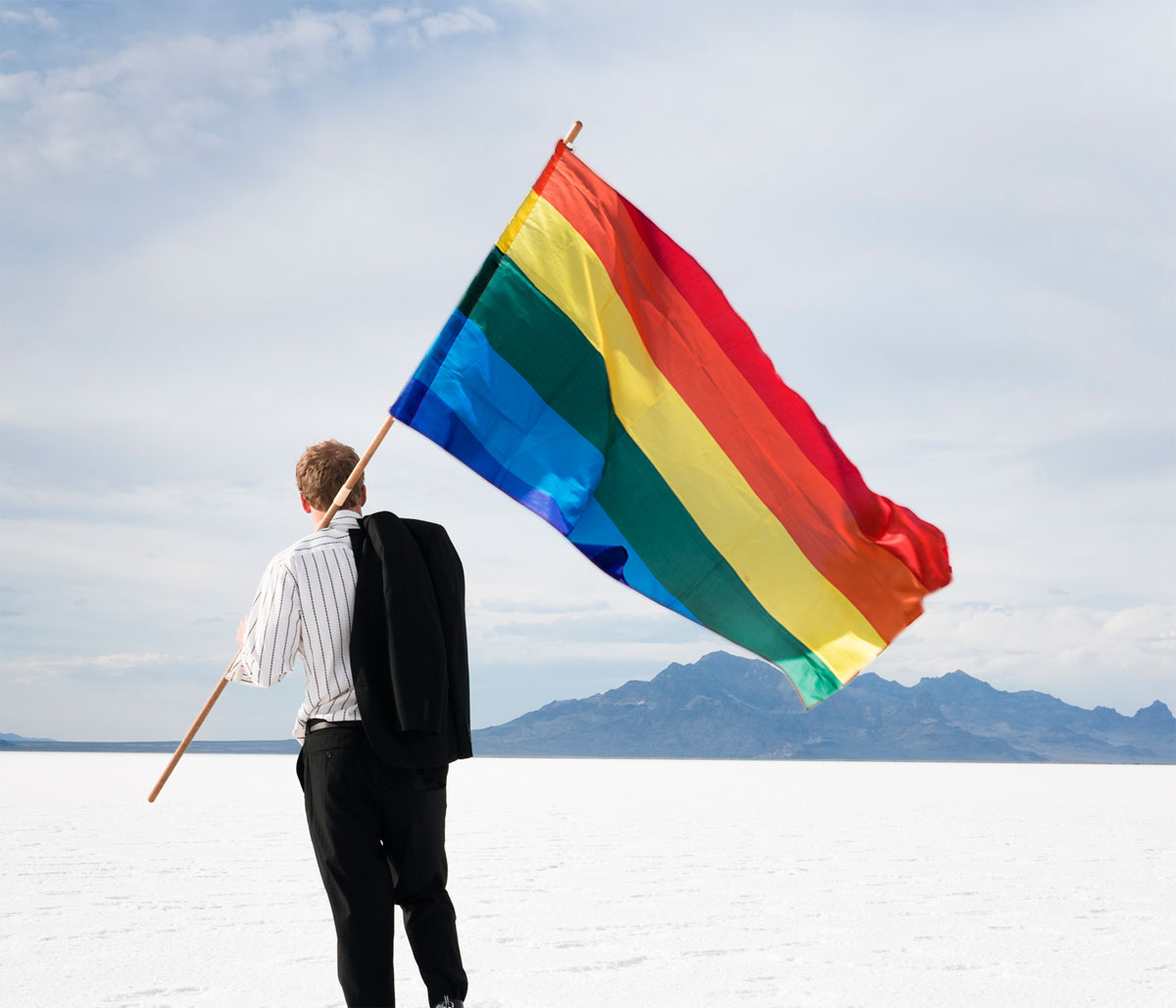
The United Methodist Church stunned many members and observers in February 2019 when it not only refused to liberalize its teachings on sexuality but tightened its ban on same-sex rites.
An historically liberal mainline Protestant denomination wasn't supposed to reaffirm traditional Christian teaching on marriage and sexual ethics. But United Methodism is following a trajectory different from that of liberalizing Episcopalians, Presbyterians, and Lutherans.
Unlike nearly every other U.S. denomination, mainline or other, United Methodism has a global membership and is directly governed by a quadrennial General Conference, which contains many delegates from overseas. Over 5.5 million of the church's 12.5 million members are in Africa, where churches are young, growing, and theologically conservative.
Since 1972, United Methodists have been debating their church's official stance on sexuality, which declares that homosexual practice is "incompatible" with Christian teaching. The church affirms sex only within male-female marriage, requires its clergy to be monogamous in marriage and celibate if single, and bans same-sex rites.
These stances have been sustained over the last fifteen years, as other mainline denominations have surrendered, thanks to growing numbers of African delegates aligned with U.S. Evangelicals, plus delegates from the Philippines and, more recently, Eastern Europe.
In February, the United Methodist bishops convened a special General Conference in St. Louis to focus exclusively on sex, with the hope of resolving the conflict. Liberal U.S. bishops aggressively pushed a plan that would grant local clergy and churches their own choice on same-sex "marriage." Traditionalists countered with their own plan to tighten enforcement of the current
standards.
Persons both within and outside United Methodism who were unaware of the strength and resolve of the African delegates widely assumed that the liberal plan would prevail. But the General Conference adopted the Traditional Plan by a vote of 53 percent in favor to 47 percent against. National media expressed dismay at the result, as did many bishops, clergy, and activists in the church. Groups of clergy in urban areas bought ads in newspapers like The Washington Post denouncing their own denomination. And some church liberals, finally admitting that the demography of African church growth and U.S. decline was hostile to their aims, began to talk openly of creating a new, inclusive church outside United Methodism.
Contrasts Between Centrists & Progressives
In May, the Kansas pastor of the largest United Methodist congregation in America hosted hundreds of church dissidents, including bishops, to plot a strategy. At a news conference afterwards they pledged resistance but failed to reveal that most participants, in a straw poll, preferred departure to resistance. The hosting pastor and other "centrists" still hope they can outlast traditionalists and cajole them into quitting the denomination.
These centrists are mostly clergy who retain creedal orthodoxy but are socially liberal. They often have suburban congregations with diverse views in red states. Quitting or seeking to divide United Methodism in solidarity with LGBTQ causes would divide their own churches.
In contrast, progressive United Methodist clergy often pastor more homogenous congregations, typically in blue states or urban areas of red states. They and their lay activist members are more united and more motivated to abandon their denomination and create a new church. United Methodism's Western Jurisdiction, and the conferences of New England, New York, and North Illinois, with several others, already defy denominational sexuality rules. They could more easily organize a new denomination than could the centrists, who are more diffused geographically.
Some centrists quietly confess that they and their congregations could not coexist in a new LGBTQ-affirming denomination with progressives who reject creedal orthodoxy, much less with those who countenance drag queen worship, "queer" theologies, and focused leftist political advocacy. So separate new denominations for centrists and for progressives may have to emerge from United Methodism.
Centrists have argued against premature departure from United Methodism with the hope that traditionalists could be defeated in the delegate elections for General Conference 2020. But the votes across the U.S. church in May and June indicate that centrists and progressives, while defeating some traditionalists, did not gain significant, if any, added delegate strength. The reason is mainly that the U.S. church, due to ongoing membership losses, is losing more delegates to Africa.
When they realize this reality, some church dissenters, especially motivated progressives, may be willing to negotiate with traditionalists on a separation plan for General Conference 2020 to consider. In July in Chicago, a leading African bishop hosted meetings with leaders from the traditionalist, centrist, and progressive camps, hoping to come to some agreement.
Looming Separation
Whether agreed upon before the 2020 General Conference or later, a separation of USA United Methodism into three different denominations seems increasingly inevitable. Evangelicals will remain in the global church with Africans, Filipinos, and Europeans. Centrists and progressives will each create new structures. Nearly all of the official U.S. seminaries will align with the liberals. Church agencies, if wealthy and holding assets, might be given autonomy, or perhaps will be dissolved, with their assets divided among the three factions.
Dividing United Methodism will tear asunder many of the more than 30,000 congregations in America, very few of which are prepared for denominational separation. The fallout will unfold across years, and no schism is ever complete without litigation. But in the end, liberals, whether centrist or progressive, will have their chance to prove that sexual laissez-faire will attract new church followers.
And traditionalists will be able to demonstrate that, after fifty years of decline under liberal denominational leadership, Methodism, revitalized by orthodoxy, can grow again in America, as it grows globally.
Mark Tooley directs the United Methodist committee of the Institute on Religion and Democracy (www.ird-renew.org) in Washington, D.C.
A Journal of Mere Christianity—Delivered to Your Door
- Essays on theology, culture, and the Church
- Contributors from across the Christian traditions
Six print issues (one year) of Touchstone, plus full online access and PDF downloads for only $39.95.
Get a one-year full-access subscription to the Touchstone online archives for only $19.95.
bulk subscriptions
Order Touchstone subscriptions in bulk and save $10 per sub! Each subscription includes 6 issues of Touchstone plus full online access to touchstonemag.com—including archives, videos, and pdf downloads of recent issues for only $29.95 each! Great for churches or study groups.
Transactions will be processed on a secure server.
more on protestant from the online archives
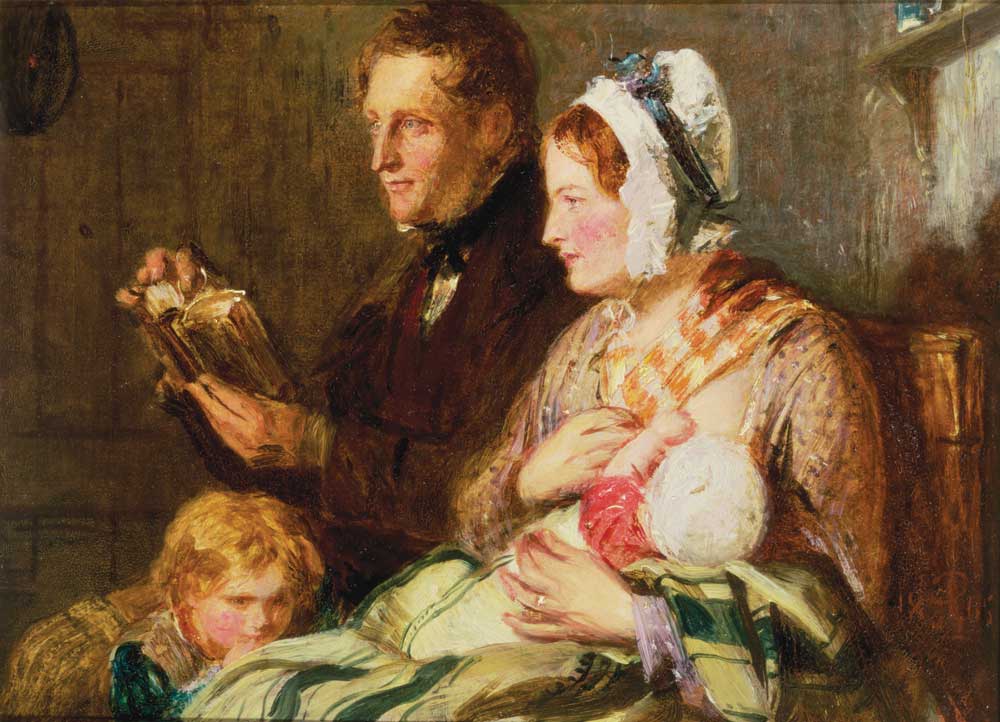
20.4—May 2007
A Short & Surprising History of Protestantism & Contraception by Allan C. Carlson
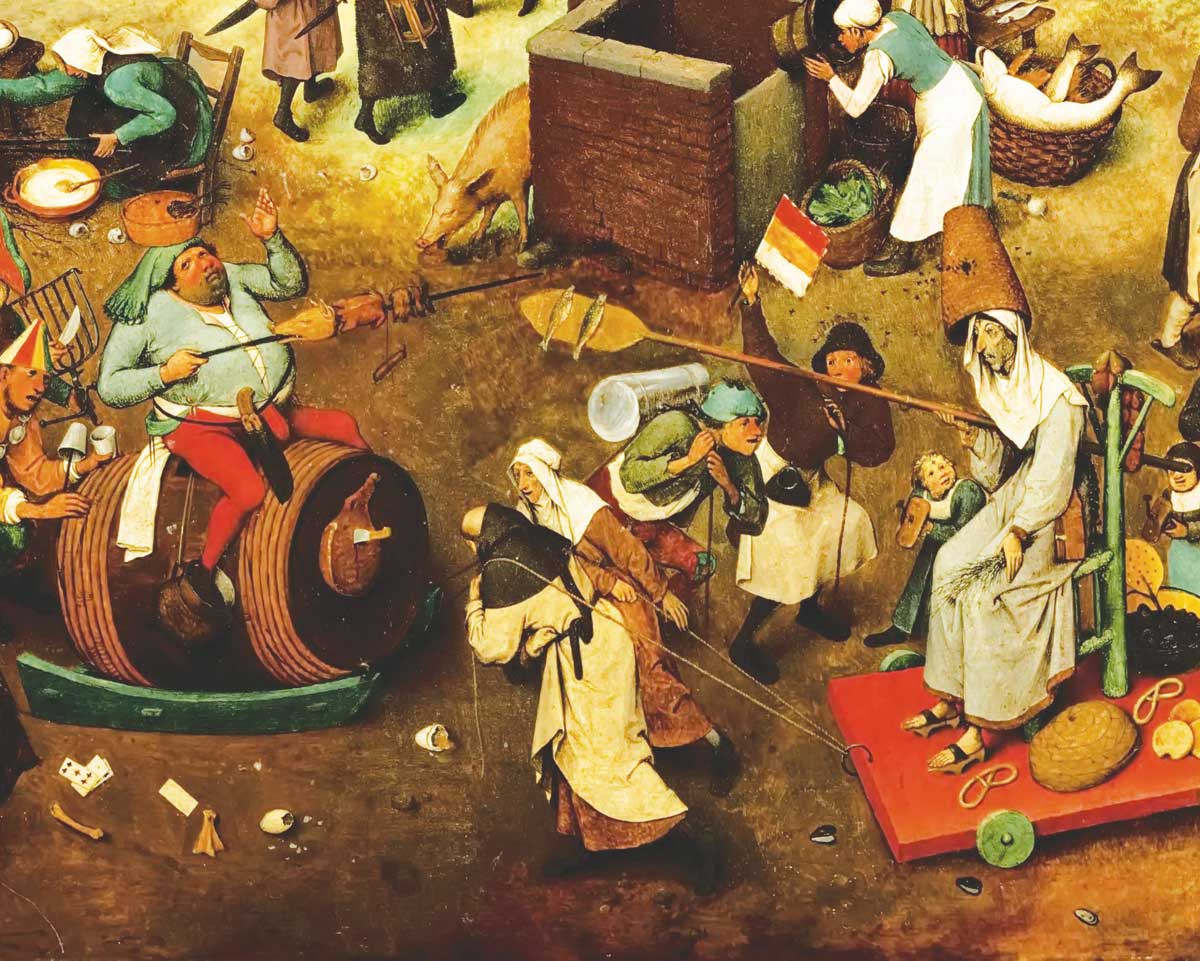
30.5—Sept/Oct 2017
The Critical History Before, During & After Martin Luther by James Hitchcock

more from the online archives

17.4—May 2004
The Unhappy & Abusive Marriage of Liberalism & Modernism by James Hitchcock
31.1—January/February 2018
on Ragnarök, an Extreme Weather Event & the Paths to Conversion by Timothy J. Burbery
calling all readers
Please Donate
"There are magazines worth reading but few worth saving . . . Touchstone is just such a magazine."
—Alice von Hildebrand
"Here we do not concede one square millimeter of territory to falsehood, folly, contemporary sentimentality, or fashion. We speak the truth, and let God be our judge. . . . Touchstone is the one committedly Christian conservative journal."
—Anthony Esolen, Touchstone senior editor